
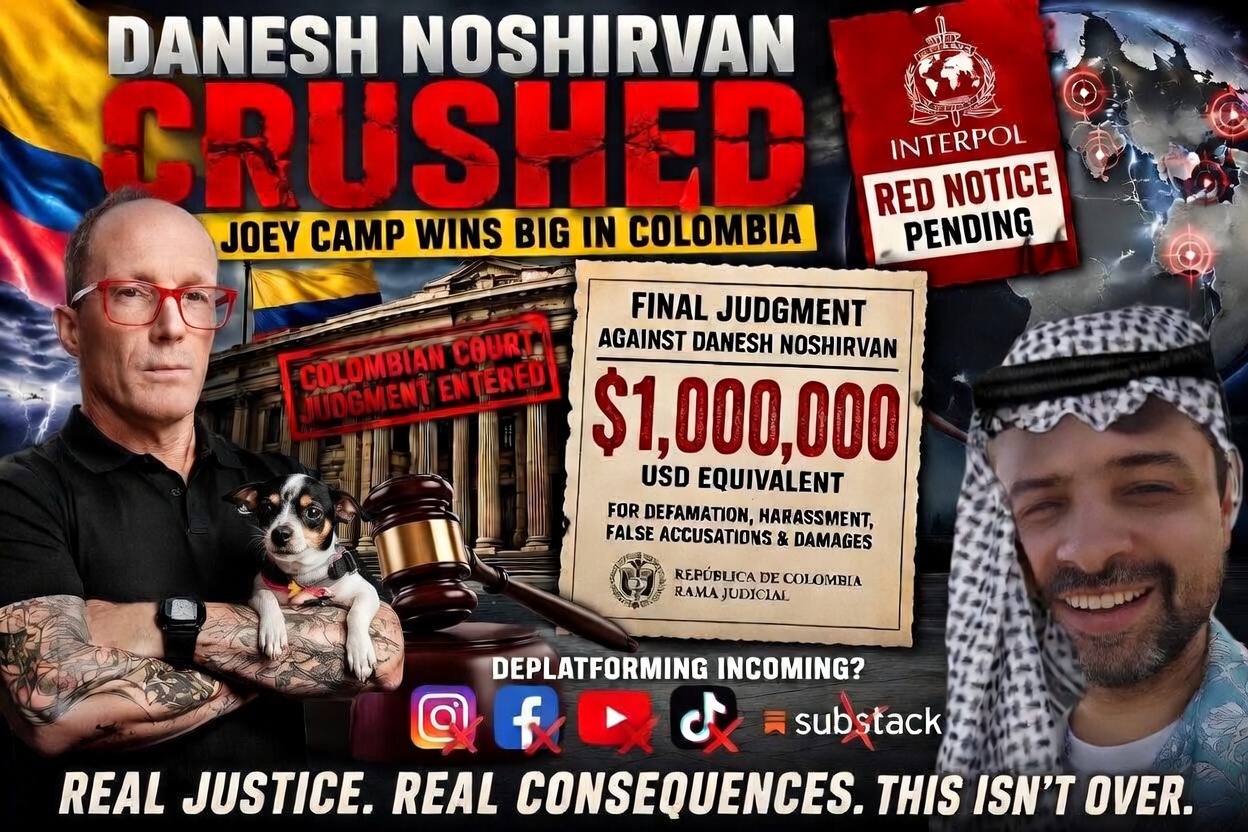
Joey Camp turns Danesh Noshirvan’s online terror campaign into a cross-border legal nightmare with money, warrants, and platform risk now in play.
LUTHMANN NOTE: This is the case I’ve been warning about. For years, the “accountability influencer” model ran unchecked — accuse, amplify, and let the mob do the rest. But that model only works inside a system that moves slowly and protects platforms. Colombia doesn’t play that game. Joey Camp found a jurisdiction where speed matters, truth matters, and silence kills your case. Now the consequences are stacking — money, criminal exposure, and platform risk. If this judgment against Danesh Noshirvan sticks in the U.S., it changes everything. Because the next influencer thinking about launching a smear campaign might stop and ask one question: What if they fight back — and win? This piece is “Colombian Hammer Drops Danesh.”
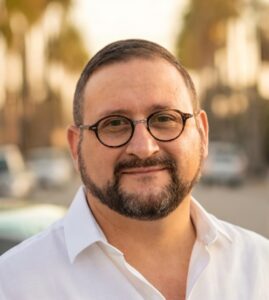
By M. Thomas Nast and Richard Luthmann
The Swipe That Turned Into a Summons
(FORT MYERS, FLORIDA)- This is the point where the internet fantasy dies, and the courthouse takes over, at least in a functional judicial system. Joey Camp did not just trade insults with social media mega influencer Danesh Noshirvan.
He took the fight into the Colombian courts—where he lives, and where speed matters, excuses fail, and silence can bury a defendant. The result is a legal mess that now threatens Noshirvan’s money, his travel, and his online reach.

The record Camp lodged in the Colombian court is blunt. It accuses Noshirvan of running a “systematic, deliberate and continued” campaign of defamation and harassment against him on Instagram and Substack. The filing says Noshirvan publicly branded Camp a “child stalker,” a “registered sex offender,” a “white supremacist,” and a “real rapist.”
It also says Noshirvan emailed Colombian police and accused Camp of serious crimes, including child pornography, while copying Camp on the message. The filing further says the Instagram post drew more than 21,100 likes, which Camp used to show reach, damage, and continuing harm.
Then came the Colombian order. On March 26, 2026, a Bogotá multiple-jurisdiction court formally admitted Camp’s tutela action against Noshirvan. The judge joined the Bogotá prosecutor’s office, Colombian police, the foreign ministry, migration authorities, the U.S. Embassy in Colombia, Meta, and Substack.
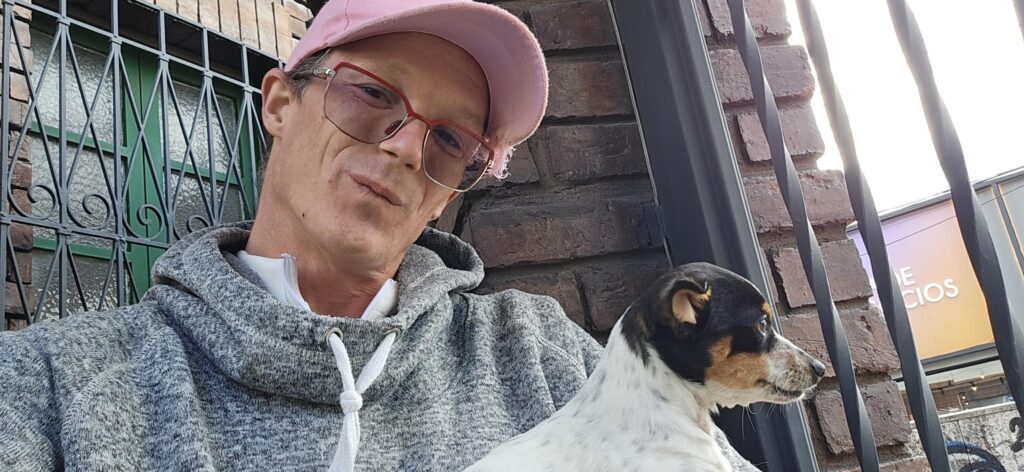
The order directed notice to Noshirvan at the Gmail address identified in the filing and gave the parties one day to respond, warning that failure to answer could cause the facts to be taken as true.
The contrast with American litigation is the whole story: Colombian procedure moves fast and punishes nonresponse. Camp said Noshirvan did not answer the constitutional case and did not answer the related criminal matter either. In Colombia, Camp said, that is not a stall. It is a breakdown.
Colombian Hammer Drops Danesh: Money Trouble in Two Countries
The money angle is what makes this predicament dangerous for Noshirvan. Camp has described the Colombian exposure as the rough equivalent of a million-dollar hit, though he also said the local system does not work like a Florida judgment with a clean dollar figure on the last page. He explained that Colombian sanctions and damages are often measured against multiples of the monthly minimum wage.
Still, his public position is clear: the financial exposure is huge, real, and headed for the United States.
That is where the Fort Myers case matters. In the Middle District of Florida, Noshirvan is both plaintiff and counter-defendant in the Garramone-Couture litigation, exposing the dark and harmful side of Noshirvan’s scorched-earth tactics. What the mega influencer framed as a righteous “accountability” campaign now reads like overreach, with sprawling allegations and a paper trail that raises credibility questions.
Opposing parties paint a picture of a litigant who weaponizes accusations first and proves them later—if at all. In a courtroom, that approach backfires. Judges look for evidence, not volume, and the case has increasingly put Noshirvan on the defensive rather than in control of the narrative.
Camp believes there should be judicial notice of the Colombian proceedings there, telling the court that the civil and criminal orders and related proceedings matter because they bear on motive, credibility, and pattern of conduct. More importantly, Camp said that he intends to seek recognition of the Colombian judgment in the United States and to stop Noshirvan from collecting any money while that recognition fight plays out.
In plain English, Camp wants first crack at any recovery Noshirvan might win.
This Fort Myers war has been raging for years. for months. Noshirvan’s broader legal posture is an attempt to use lawsuits, strikes, and public pressure to smother critics and intimidate opponents into large cash settlements. In March, the final federal showdown was pushed to late November. The surrounding dispute now reaches far beyond Danesh’s shakedown of one plastic surgery center.
This matters because enforcement is not theater. If a U.S. court recognizes the Colombian judgment, then any supposed courtroom payday for Noshirvan could become a collection target.
Noshirvan built his public persona on digital pressure campaigns. Camp answered with paper, stamps, judges, and jurisdiction. That is a very different battlefield, and Danesh may not be prepared to react in time.
Colombian Hammer Drops Danesh: The Arrest Risk Is No Longer Abstract
The criminal side is where this story stops being a civil beef and starts looking like a travel problem. Camp’s Fort Myers filing says Noshirvan is now the subject of pending criminal charges in Colombia for false statements, defamation, slander, threats or incitement, harassment, unlawful constraint, violation of personal data, false denunciation, and related offenses.
The filing goes even further. It says Noshirvan and his associate, Mr. James McGibney, could face detention if an INTERPOL Red Notice is pursued, but it also states plainly that no Red Notice had yet been published when the filing was made. However, a local warrant had been triggered in Colombia, satisfying the key prerequisite for seeking a Red Notice.
Camp described a Red Notice as a detention mechanism that can expose a traveler to provisional arrest when a participating country decides to act. He also said the process is not automatic and depends on diplomatic and legal follow-through.
In other words, the danger is not a Hollywood poster. It is a process. And the process can get very real very fast.
Noshirvan’s online conduct has produced fallout far beyond bad feelings and ugly comment sections. Outlets, including Frank Report, have reported on platform bans, fraud accusations, courtroom fights, and the aftershocks of digital mob tactics. Frank Parlato reported that TikTok removed Noshirvan in January 2026, then later reported that the same account appeared back online a few days later, showing how unstable his platform footing had become.
But Danesh appears to be outside his milieu. A deleted post can hide a tweet. It cannot erase a docket or an arrest warrant.
Colombian Hammer Drops Danesh: Shady Lawyer in The Line of Fire?
From: Modern Thomas Nast <mt*********@********il.com>
Date: On Wednesday, April 8th, 2026 at 11:28 AM
Subject: Request for Comment: Will Nick Chiappetta Withdraw as Counsel in Light of His Apparent Role as a Material Witness?
To: Nick Chiappetta <ni**@*************al.com>, se*****@*************al.com <se*****@*************al.com>, vi***@*************al.com <vi***@*************al.com>, ci*****@****in.com <ci*****@****in.com>, me*************@****in.com <me*************@****in.com>, st*********@****in.com <st*********@****in.com>, da*************@***il.com <da*************@***il.com>, da*************@***oo.com <da*************@***oo.com>, th***********@***il.com <th***********@***il.com>, pt****@***oo.com <pt****@***oo.com>
CC: Rick LaRivière <Ri***********@****on.me>, RALafontaine <ra**********@********il.com>, fr*************@********il.com <fr*************@********il.com>, Frank Parlato <fr**********@***il.com>, th************@***il.com <th************@***il.com>, Michael Volpe <mv*******@***il.com>, Jo**@***********ey.news <Jo**@***********ey.news>, jo**@**********20.com <jo**@**********20.com>, jj******@*********is.com <jj******@*********is.com>, aa*****@*********ry.com <aa*****@*********ry.com>, **@***sq.com <**@***SQ.COM>, hw*******@*********is.com <HW*******@*********is.com>
Mr. Nicholas A. Chiappetta:
I am writing on behalf of independent journalists to request your comment for publication regarding your apparent dual role in Luthmann v. Noshirvan, Case No. 2:25-cv-00337-KCD-NPM, pending in the Middle District of Florida. Specifically, this inquiry concerns whether you intend to voluntarily withdraw as counsel in light of the plaintiff’s recent filing portraying you not merely as an advocate, but as a central factual witness whose own conduct, communications, drafting activity, and alleged off-docket actions are now directly at issue.
The filing does not mention you in passing. It puts you at the center of the storm—particularly while you are trying to hoodwink The Cincinnati Insurance Company and its investors out of millions in the Noshirvan v. Couture case, also pending in the Middle District of Florida.
In the attached subpoena framework, Richard Luthmann identifies you first among the “Key Individuals and Collaborators Named in the Complaint,” labels you an “Alleged Co-Conspirator Attorney,” and seeks “deposition testimony and document production (emails, text messages, social media DMs, and draft documents).” The filing further states that the requested materials include “[c]ommunications between Chiappetta and Noshirvan (and any associates such as McGibney or Hales) concerning Richard Luthmann or the ‘accountability campaign’; any drafts or metadata of defamatory publications …; records of threats or intimidation (including the fake ‘Patrick Trainor’ communications and any retaliatory subpoena documents).”
It gets more pointed from there. The filing says you are “identified in the First Amended Complaint as a central participant in Noshirvan’s defamation and harassment campaign,” and alleges that you “ghostwrote defamatory statements and legal filings, coordinated abusive process, and even impersonated another attorney to lend false credibility.” It then states that your “materials will help prove Noshirvan’s knowledge of falsity, reckless disregard for the truth, and the extreme nature of the campaign.”
That is not the description of a lawyer standing safely at the counsel table. That is the description of a witness with skin in the game.
The filing also states, in plain terms, that “Chiappetta ‘has engaged directly in the underlying tortious conduct’; as counsel of record, he cannot shield his actions with privilege,” and adds that the plaintiff contends “attorney-client privilege is vitiated by the crime-fraud exception.” Whether or not that accusation is ultimately sustained, the point for journalistic purposes is obvious: the plaintiff is saying your conduct is itself evidence.
The separate March 24, 2026, meet-and-confer email attached as Exhibit C turns the temperature up further. In that email, Luthmann tells you, “By terms of the operative pleading in Luthmann v. Noshirvan, you are a co-conspirator with Mr. Noshirvan, Mr. McGibney, Mr. Hales, Mr. Shochet, and others.” He then says your conduct is relevant because you allegedly “ghostwrote, strategized, and coordinated defamation with Noshirvan,” and asserts that your “testimony and records are highly relevant, specifically needed, and unavailable through less intrusive means.”
The attached email goes beyond the abstract and lists categories of evidence sought from you, including “[c]ommunications between Chiappetta and Danesh Noshirvan concerning Richard Luthmann, Joey Camp, the so-called ‘accountability campaign,’” “[c]ommunications between Chiappetta and James McGibney, Jeremy Hales, Randy Shochet, and Doreen Turner-Inkeles concerning Luthmann,” “[d]rafts, edits, comments, metadata, and authorship records for allegedly defamatory publications,” and “[r]ecords relating to retaliatory threats, intimidation, and abuse of process, including the fake ‘Patrick Trainor’ communications.”
And then there is the issue with the Yahoo account.
The filing expressly identifies “Yahoo (Oath Holdings) – Email Account Used for Impersonation” and seeks subscriber and login information for the “pt****@***oo.com” account, which it says was “allegedly created by Chiappetta to impersonate attorney Patrick Trainor.” The justification section states that the First Amended Complaint “alleges Chiappetta engaged in a brazen impersonation,” that he “admitted to creating a Yahoo email for this ruse,” and that this conduct “is directly relevant to IIED as it exemplifies the outrageous and malicious lengths taken to harm Plaintiff.”
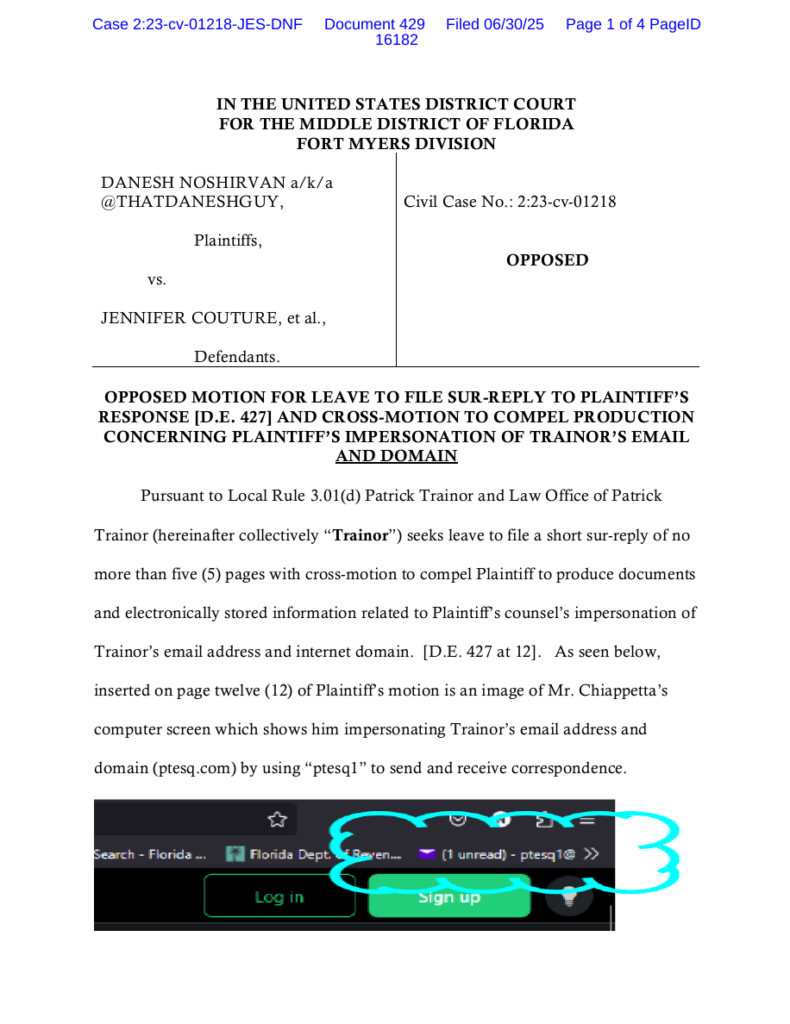
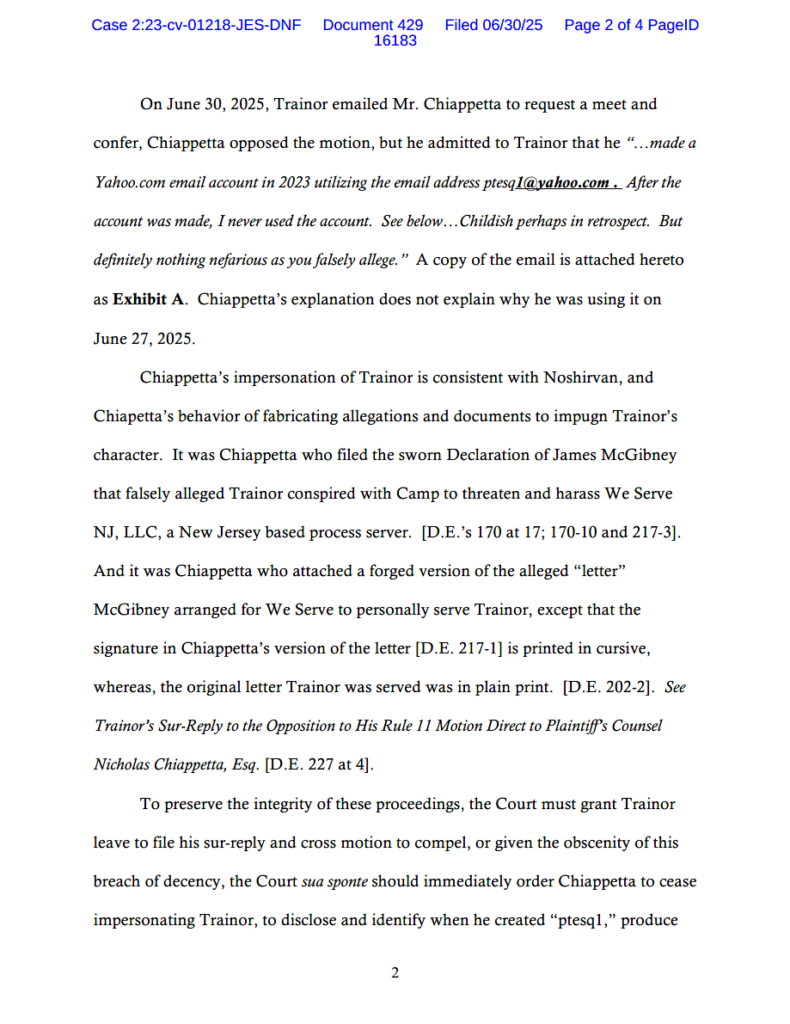
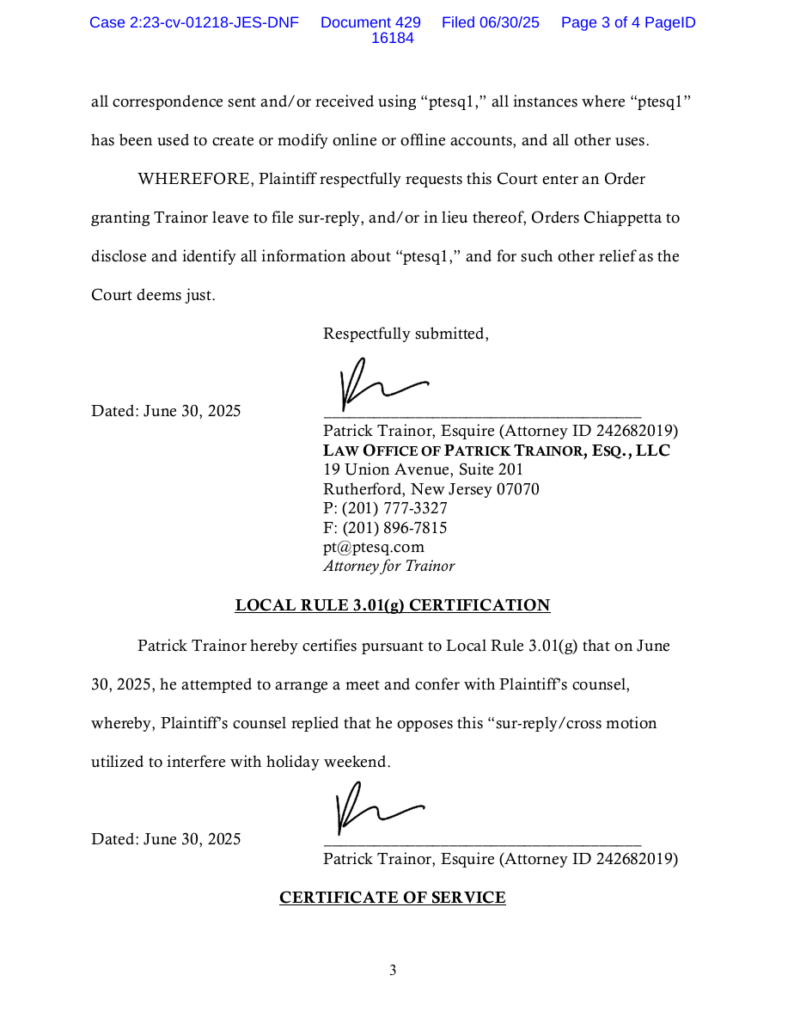
So here is the blunt question: how do you remain counsel in a case where the opposing party is not merely accusing your client of misconduct, but identifying you as a firsthand actor, draftsman, communicator, impersonator, and necessary witness to contested facts?
We requests your response to the following questions:
1.Do you intend to voluntarily withdraw as counsel for Danesh Noshirvan in light of the plaintiff’s filing placing your own conduct at the center of the factual dispute?
2. Do you deny that you are now a material witness in this case?
3. Do you deny drafting, editing, ghostwriting, revising, or advising on any statements, legal filings, declarations, social media posts, Substack materials, or public accusations concerning Richard Luthmann?
4. Did you communicate with Danesh Noshirvan, Jeremy Hales, Randy Shochet, Doreen Turner Inkeles, James McGibney, Joey Camp, or others regarding Luthmann, his reporting, his reputation, or efforts to “expose,” discredit, intimidate, or silence him?
5. Did you create, use, authorize, or direct the use of the “pt****@***oo.com” account or any other account alleged to impersonate Patrick Trainor? If so, what was the purpose?
6. Do you deny that your own emails, texts, drafts, metadata, and communications are discoverable because they concern your role as an alleged participant in the underlying conduct rather than protected legal advice?
7. Do you deny the allegation that you “engaged directly in the underlying tortious conduct”?
8. If you remain as counsel, how do you address the obvious advocate-witness problem created by the plaintiff’s intention to seek your deposition testimony and records?
9. Have you advised your client about the conflict created when his lawyer may be called as a witness on disputed and potentially central issues?
10. Have you considered that remaining in the case could itself become a story—namely, that the lawyer accused of helping build the machine is now trying to defend the machine from inside the courtroom?
11. Do you deny that the plaintiff’s filing makes you a likely fact witness regarding authorship, coordination, publication strategy, impersonation-related conduct, and the use of legal process as an alleged pressure tactic?
12. If your position is that all of this is false, what, specifically, is false? Not generally. Specifically.
13. If your position is that you are not a necessary witness, explain why the detailed categories of materials sought from you—communications, drafts, metadata, impersonation-linked records, and coordination evidence—do not put your firsthand knowledge directly in issue.
14. Are you prepared to state on the record that no testimony from you will be needed on any disputed issue of fact in this case?
15. Will you commit to preserving all emails, texts, direct messages, draft pleadings, draft declarations, metadata, account records, and documents that could bear on the issues raised in the filing?
Let’s be honest about the optics.
A lawyer accused of helping script a smear campaign, fabricate or shape narrative materials, coordinate with outside actors, and engage in impersonation does not look like a clean advocate. He looks like a character in the facts. And when the facts start wearing the lawyer’s face, the public is entitled to ask whether that lawyer can still pretend to be just counsel.
So the question is simple enough for a headline: LAWYER IN THE LINE OF FIRE: Chiappetta Hit With ‘Co-Conspirator’ Claims—Will He Be Forced to Quit the Case?
Please provide your response as soon as possible. Unless you expressly state otherwise and such terms are agreed to in advance, your response will be treated as on the record and suitable for publication in full or in part. If we publish prior to your response, we will incorporate your statements into a follow-up.
Regards,
Modern Thomas Nast
Boss Tweed was just the beginning. Operating in the shadows to expose the shady.
Sent with Proton Mail secure email.
That is where the advocate-witness problem becomes a live issue. A lawyer can defend a client. A lawyer can draft pleadings. A lawyer can speak for a party. But a lawyer cannot safely occupy the dual role of courtroom mouthpiece and firsthand actor in the underlying events without inviting scrutiny, discovery fights, disqualification pressure, and worse.
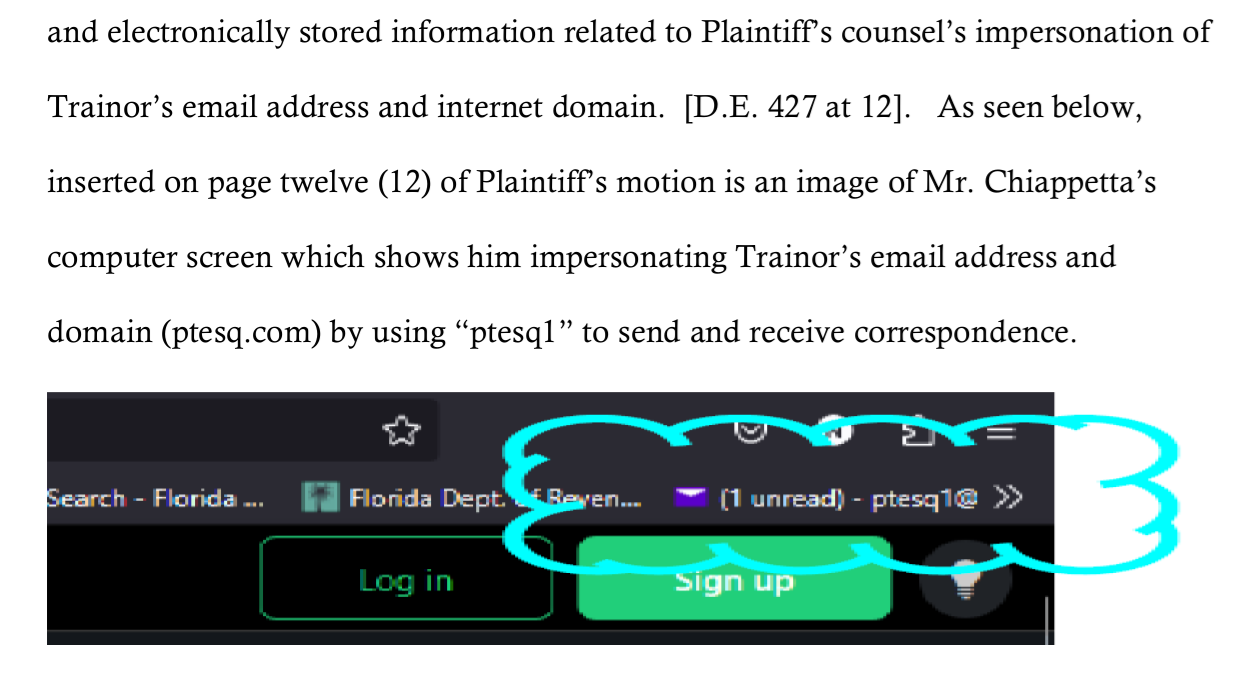
The comment request drives that point home by asking Chiappetta whether he intends to withdraw, whether he denies being a material witness, whether he used the “pt****@***oo.com” account tied to impersonation of attorney Patrick Trainor, and whether he denies that his own communications, drafts, and records are discoverable because they concern alleged direct participation in the conduct itself rather than protected legal advice, the confidencial nature of which may be pierced by the crime-fraud exception.
Camp’s apparent strategy is simple: collapse the distance between lawyer and client, then argue that what looked like representation was really concerted action. If Colombian authorities or courts accept even part of that framing, Chiappetta’s exposure may stop being theoretical. It may become personal.
Colombian Hammer Drops Danesh: The Platform Squeeze May Hurt the Most
The final twist is the one Silicon Valley should watch. Colombia ordered Meta and Substack into the case. The Bogotá court joined both companies, along with state entities, as part of the tutela proceeding. Camp’s underlying filing also asked for a fallback remedy ordering Meta and Substack to remove the content if Noshirvan did not comply.
The Colombian filing does not treat the platforms as untouchable. Camp’s theory is that outside the United States, the broad American immunity culture does not control the field the same way.
“Platforms operating in Colombia can face sanctions if they refuse to comply with a local court order,” Camp said. “A company could face fines or operational consequences in-country if it kept hosting unlawful content after being put on notice.”
That is the threat model now hovering over Noshirvan’s accounts, as a serial pressure operator who tries to weaponize platforms, bots, copyright strikes, legal threats, and mob outrage. In that frame, the Colombian case is not random. It is the first major counterstrike that attacks the machine itself.
So this is where the online game ends. Joey Camp did not just defend himself. He forced the fight into a system that moves quicker, tolerates less, and can hit across borders.
Danesh Noshirvan may still fight every inch. But if Camp’s filings hold, the cost of that fight will not vanish with a login, a scrubbed clip, or a fresh handle.
Leave a Reply