
David Rickards and Supa Dave promised 119 pages. Luthmann examines Lisa Lee’s photographs, emails, and unfinished project while seeking the complete record.
LUTHMANN NOTE: I asked Lisa for records. She sent emails, pictures, and video, and let me ask her about them on the record. I asked Supa Dave about the 119 pages he and Rickards advertised. I still don’t have the file. The papers Lisa sent even include an email that helps Rickards: She told him she’d get a contractor for everything needed to finish the barn. You’ll read that here, too. It’s how you earn the right to call the “theft story” a nothingburger. You show people what cuts against you, put the dates back on the clips, and give them enough to check your work. This piece is “The Barn Had Lumber. The Audit Was a Lie.”

By Richard Luthmann
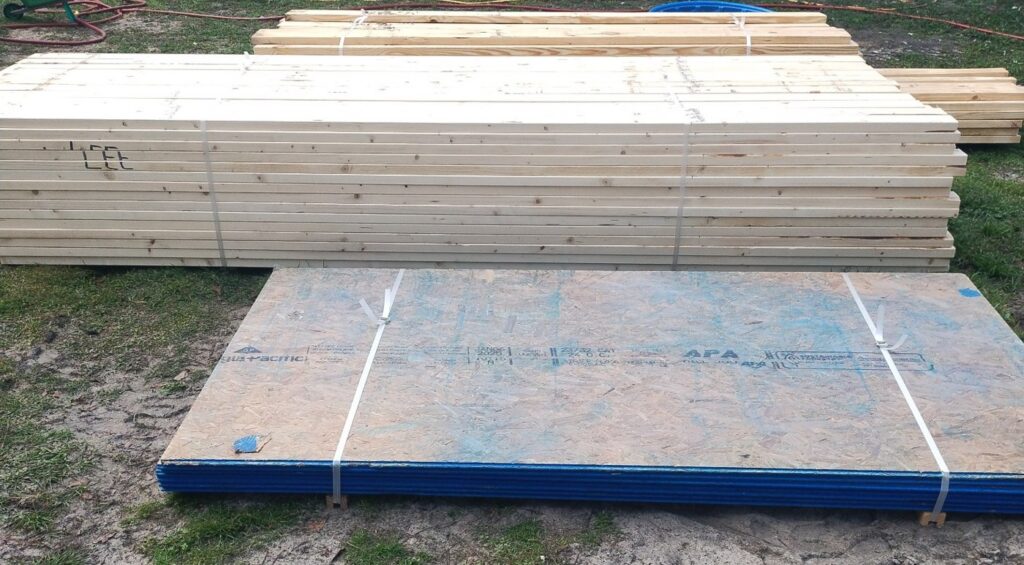
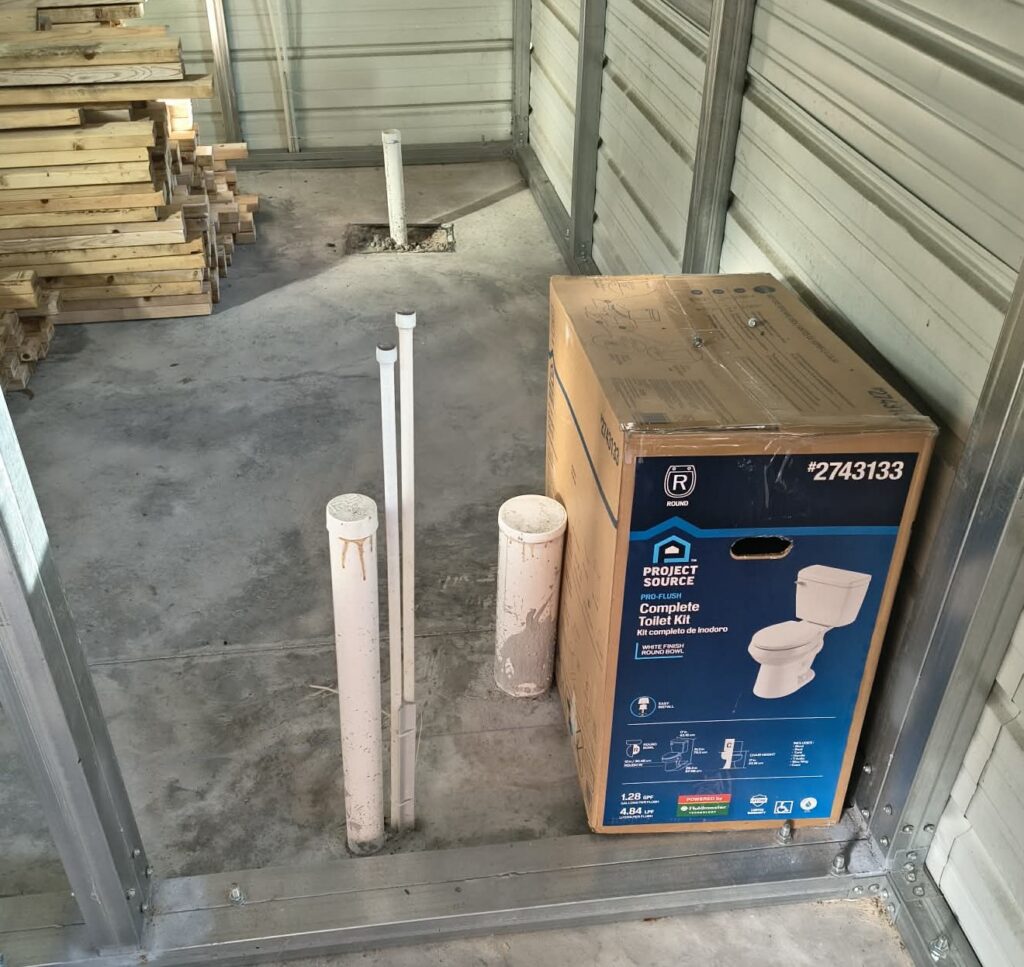
In a delivery screenshot, a red Lowe’s forklift rides on the back of a flatbed stacked with lumber. In the February 27 photos, boards are piled high enough to fill the frame. There’s blue-edged sheathing, too. There’s a boxed toilet inside the metal shell. And there’s a wooden privacy fence you can see going up in photos from the previous fall. All of it is a little inconvenient for the Halesverse version of the story, in which the money went out, and Lisa Lee did nothing.
Then there’s the audit. David Rickards, the donor who goes by “Only Me,” once told viewers the books had been checked. On his own broadcast, in the segment beginning at 2:06:27, he said otherwise: “I made a false, misleading statement that her books had been audited and I was happy.”
That’s a hell of a thing to hear from the man asking the public to take his word for the accounting.


The Barn Had Lumber: Start with the fence. Then count the money.
If you’re new to the Halesverse, it’s the crowd of creators and viewers that grew up around What The Hales and Jeremy Hales’s feud with his Otter Creek neighbors, Michelle Preston and John Cook. The fight spread from livestreams into court. Lee and Robbie Keszey became part of it through Two Lees in a Pod. Dave “Supa Dave” Teschendorf, once friendly with Lee, became Rickards’s partner on the barn presentation. Hales sued me in a separate federal case, too. Judge Robert Hinkle dismissed the only claim against me with prejudice. Readers should know where I come into this fight.
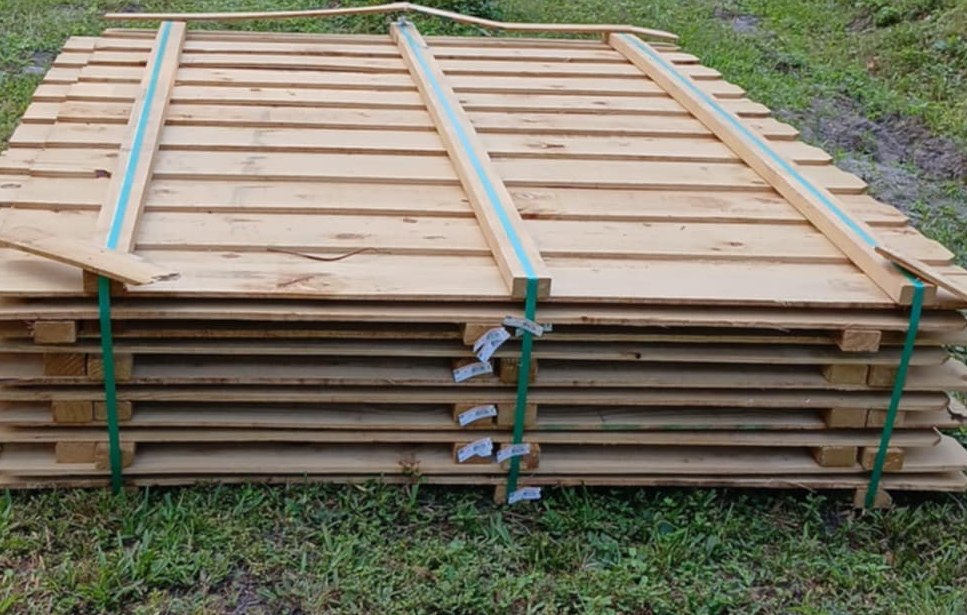
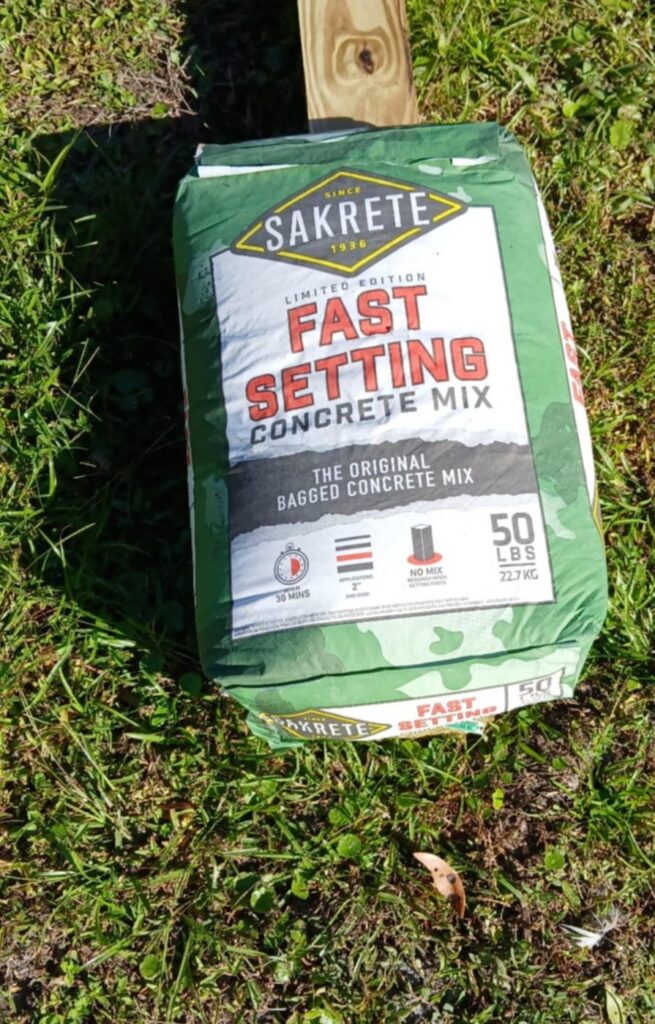
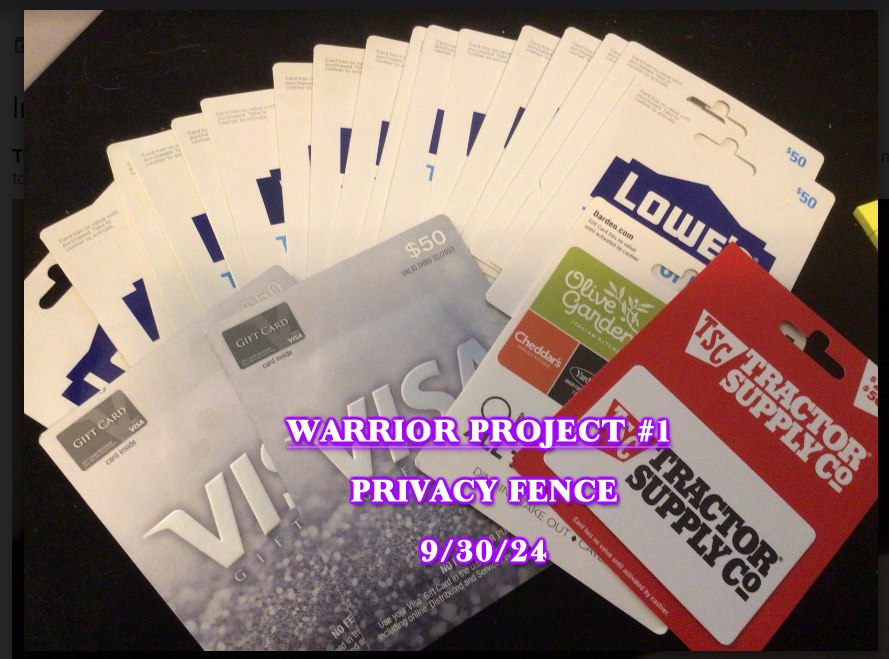
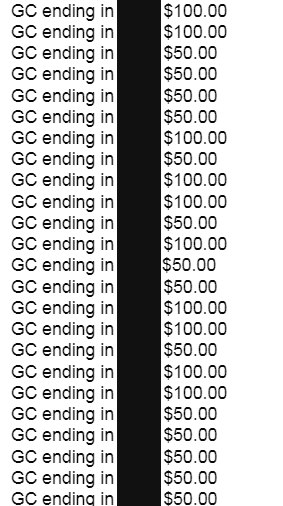
In our November 17 interview, Lee said she asked viewers to send Lowe’s gift cards for a privacy fence. A supplied graphic labeled September 30, 2024 shows cards. A separate screenshot contains a list of $50 and $100 entries. The fence delivery clip shows strapped panels on a flatbed. Other pictures show panels laid out, a post being set, people putting the wood up, long runs of standing boards, and a gate. There’s no need to take her word for the fence’s existence. Teschendorf himself said in the segment at 44:55 that Lee had done the fence before Christmas.
Silent excerpt: bundled wooden fence panels secured to a flatbed. The original filename dates the delivery clip November 13, 2024.
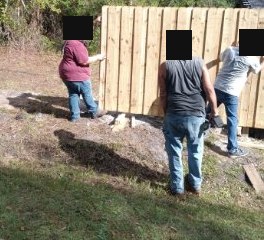

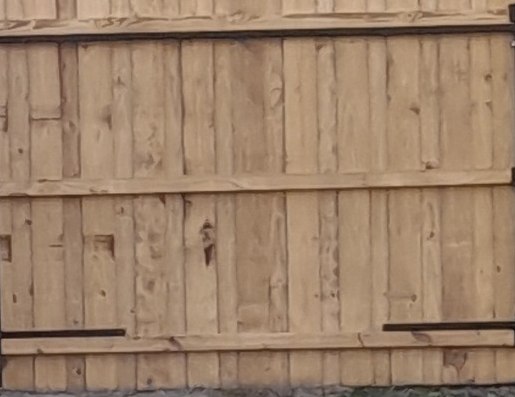
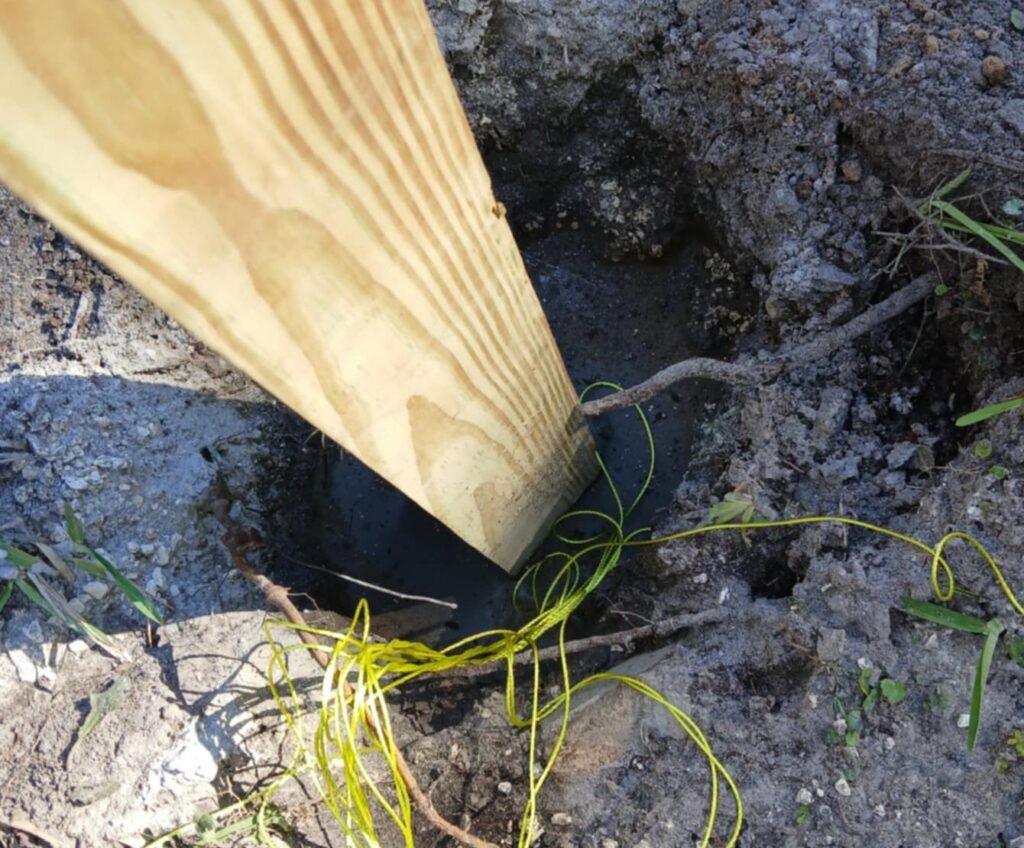
Jay Hipsher pressed a narrower point: Where is the receipt for the $1,000 he says was given to stain it? Fair question. In the segment that starts at 50:45, the hosts put that amount in dispute. At 51:53, they play Lee saying the fence would still be stained because there had been a donation specifically for that. Earlier, at 25:35, a speaker in a clip mentions sealant for the posts; at 26:58, one of the hosts guesses she means wood stain for the fence. Those are different supplies. The later clip about a dedicated donation belongs in the story on its own terms. It undercuts any blanket claim that nobody gave money for a particular task.
The photos settle whether people built the fence. They don’t settle whether somebody later stained or sealed it. The bags visible in the work photos are concrete mix. The color of a board can’t tell me whether it was treated at the mill, stained on site, or simply photographed in different light. I haven’t seen a stain receipt or a record tying that asserted $1,000 to a purchase, a refund, or another use. Jay can ask for the receipt without turning a missing receipt into evidence of theft, of which there is none.
The Barn Had Lumber: Christmas money and barn money are different questions
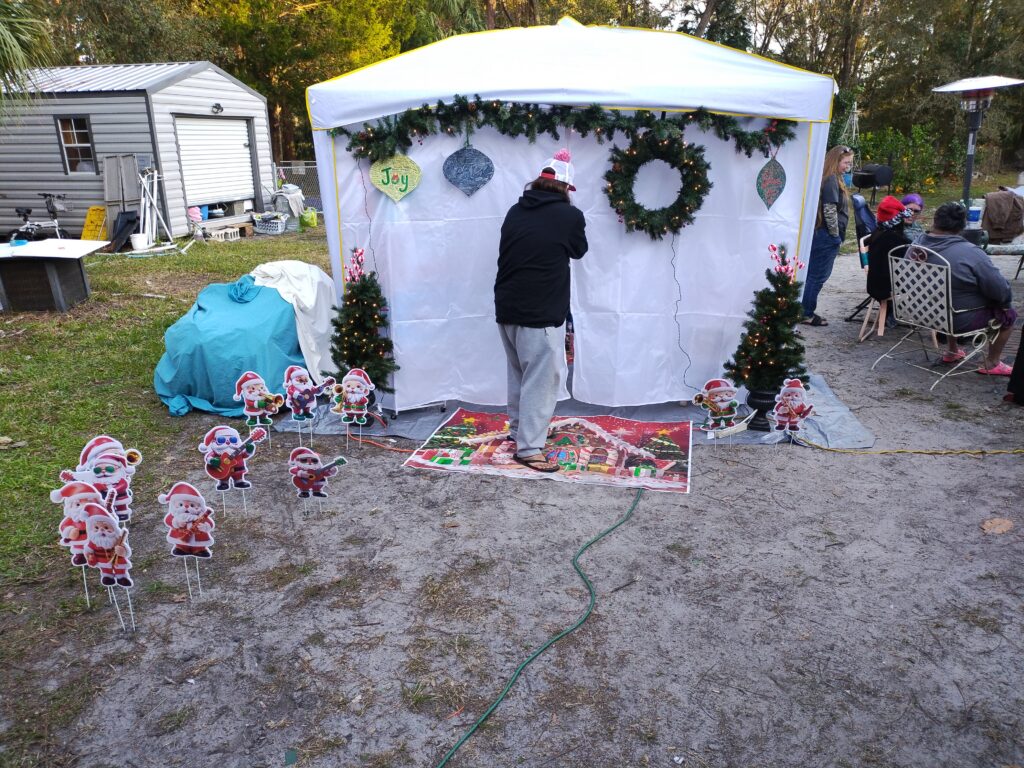
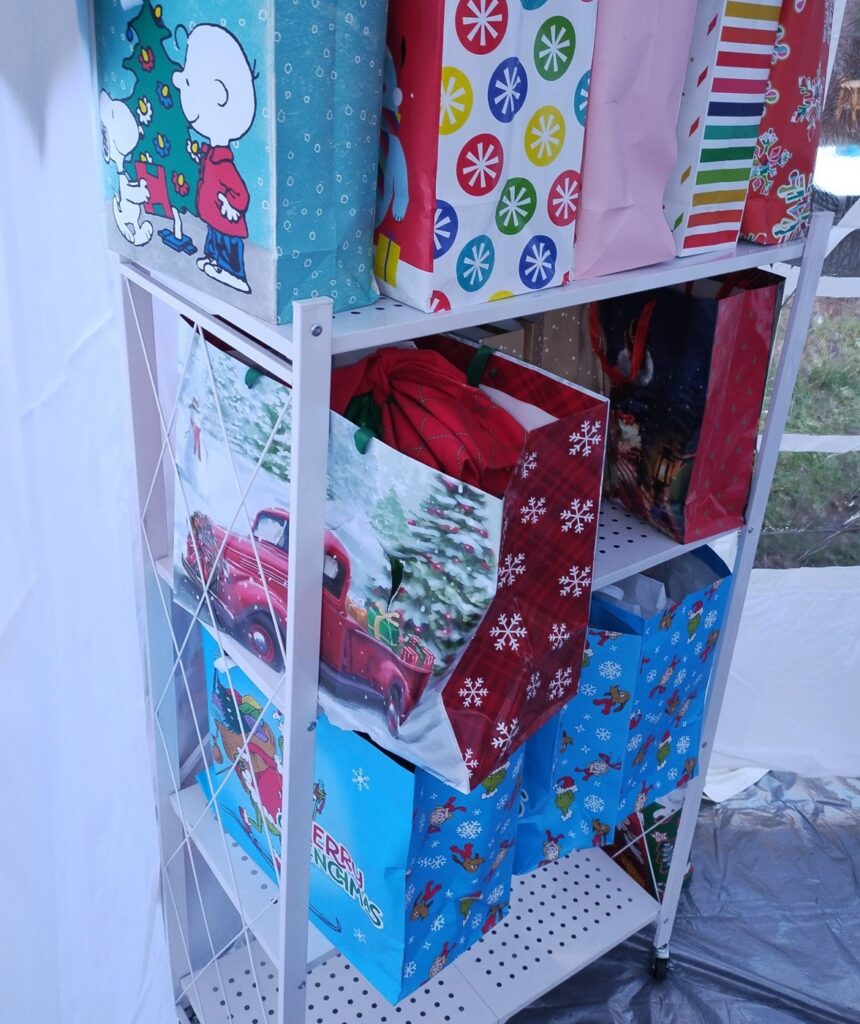
Lee told me the first Rickards payment bore the child’s name and went to the Christmas project. She said she asked people to label Christmas payments because the same PayPal account also took in proceeds from her crystal sales. The Christmas pictures show presents, a pink ride-on motorcycle, a bicycle, decorations, and a gathering. They back up that there was an event with gifts. They don’t identify who bought each item or what it cost. The date labels and October and November emails also make clear the projects overlapped. Barn talk was already happening before the November fence installation and the December Christmas gathering.




On October 16, 2024, Rickards confirmed a PayPal payment and said he hoped people could help make the barn a livable home for the family. On October 20, he described a broader aim: making the child comfortable. On November 5, Lee wrote, “I’m going to have the contractor go for everything needed to finish the barn.” Rickards replied November 6 that she ought to get professional drawings and three fixed-price contractor quotes. He wanted to remain anonymous and agreed with keeping hostile channels in the dark until the work was done.
That exchange helps Rickards on one point: The barn was an expressly discussed use for money. Lee’s description now is narrower. At 3:45 of our interview, she said her part was to start the framing and that the material for it was all there. Her older email talks about finishing the barn. And at 3:34:02 of his show, Rickards says he gave to a public fundraiser on the condition that the project would be completed. The contemporaneous emails show the goal and an undertaking to arrange work. They don’t say that Lee accepted a deadline, guaranteed a completed conversion, or agreed to return a specific transfer if it stalled. The payment notes and the full exchanges matter here, especially for the disputed transfer the show introduces at 40:12.
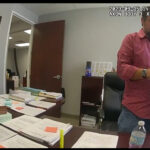
Here’s what the pictures add: a vehicle carrying lumber, stacks of boards and sheathing, and the interior of a metal building with a slab, loose lumber, upright pipes, and a boxed fixture. Lee supplied video of the barn materials as well. She says permits and the property owner’s bankruptcy stalled the work. Keszey previously told me a contractor he approached wouldn’t start without a permit. The Daves also play Lee saying at about 2:08 that no permit was holding up the barn. Those statements may concern different dates or stages; the contradiction deserves an answer. I haven’t verified a particular permit denial or Lee’s claim that Hales interfered with permitting. The town’s building department page tells you how to apply. It doesn’t tell you what happened to this job.
Silent excerpt: bundled lumber visible on the ground. The footage records materials on site; it does not show completed framing or a series of financial transactions.
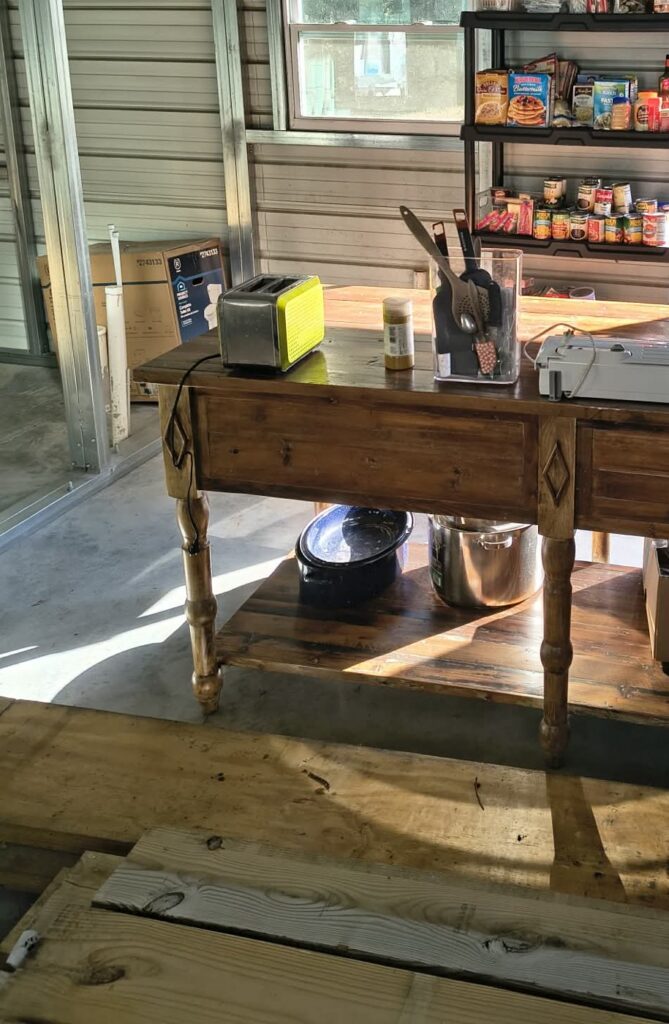
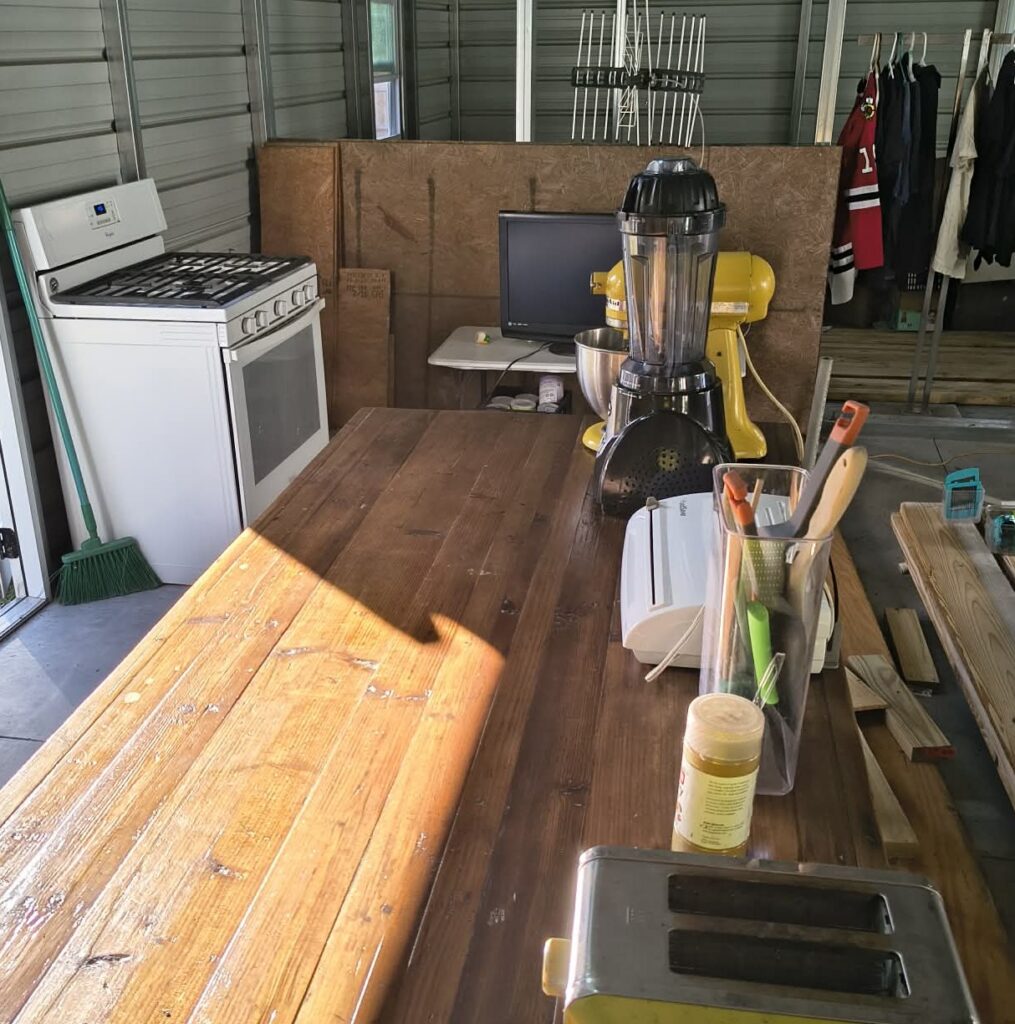

The barn conversion is still unfinished on this record. The supply delivery shows that the project got past the talking stage. It doesn’t show the cost, the condition of the materials today, how much framing was actually installed, or whether Rickards’s money paid for each item. In my November 10 reporting, Lee disputed the circulating $56,000 total and acknowledged some money remained. At 17:35, Rickards describes an on-screen PayPal receipt in dollars and a U.K. bank entry in pounds. At 1:17:31–1:18:05, he corrects himself from £50,000 to $50,000 and mentions £40,700; a Lee clip refers to a special donation for the barn conversion. That is real evidence of a stated purpose. It still doesn’t tell us which entries describe the same transfer, what net amount arrived, or what was spent. Without both sides of the transfers, their original currency and dates, and records of what was spent, I can’t reconcile a total or balance. A stack of lumber isn’t a ledger. It’s also not imaginary.
The Barn Had Lumber: Four hours of clips. Where are the 119 pages?
Rickards and Teschendorf presented serious questions. They say Lee made inconsistent statements, didn’t account for the money, and didn’t finish the barn as Rickards expected. At 2:42:14, Teschendorf reads what the hosts identify as an August 6 message in which Rickards asks for his donations back and objects to putting money in a trust. At 3:51:37, a Lee clip describes returning money if it wouldn’t be used for the project or the child, while saying it was being used for the child. Those are two different positions. I haven’t seen the full August exchange or an agreed refund term. The donor’s request is evidence of a dispute, not proof that a refund was owed.
The earlier January emails also complicate the picture of a donor who couldn’t get Lee to talk. On January 6, 2025, Lee offered a call. Rickards proposed a 6 p.m. live; Lee said she couldn’t make that hour and offered 9 p.m. She later asked why he was calling her dodgy. On January 14, she sent a test email. The initial dispute in that chain involved other accusations, too; the messages don’t show that Lee ever gave him a full accounting. A separate January 14 exchange contains Lee’s denial that she blocked him and her question about an apparent $300 refund request. That isn’t the original request, and it isn’t the same as the demand read on the show.
The presentation ran more than three hours and fifty minutes. Early on, Rickards said they were compressing hours of Lee’s streams, with help from AI; Teschendorf said some clips had already circulated. The transcript shows the hosts switching among older videos, later remarks, chat, their own commentary, and passages from emails. At 3:49:32, for example, Lee’s later denial that she ran a fundraiser is juxtaposed with clips inviting donations. That raises a fair question about what was solicited and what was given privately. But the viewer needs the original broadcasts in order, with the full payment notes and email chains, to answer it. A cut that lands a punch is easy to make. Let readers see enough to decide if it landed on the right person.
The two hosts knew the paperwork mattered. They told viewers it was coming. Here are the places to hear it, checked against the supplied transcript of their presentation and the November 16 rundown:
| In the original broadcast | What they said |
|---|---|
| 04:38–04:41 | Teschendorf says they have a PDF. Rickards says they’ll add it at the end. |
| 18:40 | Teschendorf says everything will be in a PDF. |
| 1:02:06 | Teschendorf describes full emails in context, with private information redacted. |
| 1:03:42–1:03:48 | Rickards says they’ll attach the file at the end. Teschendorf puts its length at 119 pages. |
| 2:34:31–2:34:45 | Rickards promises a separately viewable cut of the video. Teschendorf says the PDF is coming out. |
| 3:53:44 | Teschendorf closes by talking about a separate upload and links to the PDF. |
I asked Teschendorf about the file on November 13. I copied Michael Volpe. As of this review, I haven’t received the full file or found a public link. Lee told me she hadn’t received it either. She says she saw Megan Fox going through a PDF and heard Rickards say access was limited to “trusted” people. I haven’t independently verified that later statement, who got the file, or whether they all saw the same 119 pages. Maybe somebody has it. The promise to make it available to the audience is still unfulfilled in the record I can check.
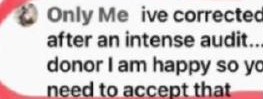
Rickards says he made the false audit post because he was under pressure, thought the barn still had a chance, and wanted the criticism to stop. At 2:07:35, he calls it a mistake and says he soon addressed it. I haven’t seen his dated correction. The May 18, 2025 screenshot reproduced in my earlier reporting carries the Only Me account’s “intense audit” assurance. Guapo also relayed the donor’s position on May 17. Guapo’s account is context, not evidence of a second direct audit admission. Rickards knowingly gave the audience a false assurance about the books. That is a reason to insist on corroboration now. Last year the public was told an audit settled it. This year the public was told a PDF was coming. Both times, the audience was asked to take his word.

The Barn Had Lumber: Was Rickards in league with Hales?
I raised that possibility early and went too far. In Who Is David Rickards? and Lisa Lee Answers, I reported what changed my mind: Keszey described his own conversations with the donor and his own dealings with him. I dropped the theory that Hales controlled the account or directed the gifts. I also retracted my speculation about PayPal and money laundering. The October and November 2024 emails give me even more reason to keep that distinction: Rickards was praising Lee for standing up to Hales while discussing how to help the family. I still haven’t independently established that the man behind Only Me is the former Pipex executive.
But people can change sides. At 8:38 of our new interview, Lee says Hales is now promoting Rickards. At 17:55, she says she saw Fox reviewing a PDF and describes Rickards’s reported decision to limit access. She also names That Umbrella Guy in her account of who may have received it. If Hales is promoting the material and people in his orbit are being given access the public was promised, that deserves reporting. My original instinct about an alignment may yet prove right as a description of what happened later. Today I can say the claims supply material for the Halesverse and that people can benefit from repeating the same story without planning it together. I can’t establish that Hales arranged the gifts, commissioned the program, directed distribution, or paid anybody for their views. Teschendorf previously disclosed paid production work for Rickards and denied it drove his views. That’s a relationship to disclose. It doesn’t establish that his commentary was bought. Show me the promotion post, the upload, the distribution message. Then we’ll have something to test.
The Barn Had Lumber: A lousy theft case. A fair accounting question.
Rickards can complain to authorities. He floated that in the 3:04:27–3:05:04 exchange. That’s his option; a prosecutor would have to decide whether the facts justify charges. Florida’s theft law requires someone to knowingly obtain or use another person’s property with intent to deprive or appropriate it. The civil theft statute demands clear and convincing proof of a qualifying violation. An unfinished barn, a missing stain receipt, and a donor’s change of position don’t show that intent. The physical work and deliveries give a prosecutor a concrete reason to doubt the story that the whole thing was a ruse.




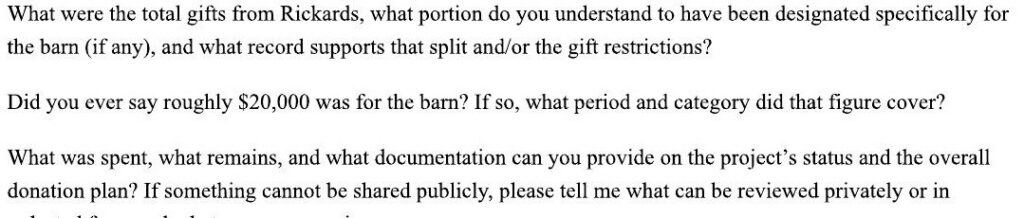
My read: A prosecution looks unlikely on the evidence produced, and Rickards hasn’t shown a persuasive civil case for “getting his money back.” A refund suit would need its own evidence. I see no document appointing Lee as a trustee or establishing a fiduciary relationship with Rickards. That weakens a fiduciary theory, but a donor could still try to prove an enforceable condition, a contract with definite agreed terms, or unjust retention of a directly conferred benefit.
Under Butler v. Yusem, a fraudulent misrepresentation claim needs a material knowing falsehood, an intent to induce action, and injury from actual reliance. I don’t see proof that Lee made a knowingly false promise to get the money. Nor does this record establish those elements against Rickards just because he admits his audit post was false. Florida’s Communications Fraud Act requires a scheme aimed at obtaining property. This record doesn’t show that his post was part of one.
One more distinction: A private gift and an appeal for money on behalf of a named person can carry different obligations under Florida’s solicitation law, including § 496.413 where its requirements apply. The Christmas appeal and the fence gift-card drive deserve to be assessed separately from each of Rickards’s PayPal payments. The label in a livestream or on a payment app doesn’t decide who owns the money or whether it had strings attached. That’s why I want the transfers matched to actual records, including any refunds, without making the family’s home or child into a public exhibit.
Here’s my verdict on what the Halesverse has put forward: The allegation that Lee pocketed the barn money is a nothingburger on the evidence produced. Lee’s records knock down the claim that the projects were all talk. They don’t clear every line of an account nobody has reconciled. The promise to publish a file, followed by clips and reports of private access, is a lousy way to ask the public for a verdict. In my view, it’s how an accountability story turns into a smear. David and Dave, the invitation is open. Send the complete redacted PDF, the original clip links, and the record of when you corrected the audit claim. I’ll read them. I’ll publish what holds up.




Leave a Reply