

D.C. Pipe Bombs, Gait Analysis, Blaze Media, Shauni Kerkhoff, Brian Cole, Ray Epps, and the J6 Fog Machine
LUTHMANN NOTE: Steve Baker did what real investigative reporters are supposed to do: he followed the smoke into the room where everybody else was told not to look. Michael Volpe played the skeptic, and good. That made the interview sharper. But Baker did not fold. He said the Blaze story was not just wild speculation, not just internet sleuthing, and not just a gait-analysis parlor trick. He described sources, the intelligence community’s reaction, Capitol Police angles, ODNI, CIA panic, the alleged training-exercise theory, Brian Cole’s doubts, and Ray Epps questions. If even half of that survives discovery, Clare Locke may have bought its client a tiger by the tail. This piece is “D.C. Pipebomber – Steve Baker Interview.”

By Richard Luthmann with Michael Volpe
The Unknown Podcast Turns the J6 Pipe Bomb Case Into a Media-Law Cage Match.
The Unknown Podcast rolls on as Michael Volpe and Richard Luthmann interview Stephen M. Baker about the D.C. pipe bomb case, the controversial Blaze Media reporting, the gait-analysis theory, and the defamation lawsuit filed by Shauni Kerkhoff against Blaze Media LLC, Baker, Joseph M. Hanneman, and Veritas Regnat LLC.
The lawsuit’s theory is simple and dangerous for aggressive journalism: Kerkhoff claims the Blaze falsely accused her of planting the January 5, 2021, pipe bombs outside the Republican National Committee and Democratic National Committee headquarters. Her complaint says the defendants built the accusation around a “forensic gait analysis” they allegedly arranged, claiming a software algorithm produced a 94% match and a human analyst pushed the estimate closer to 98%. The complaint argues that gait analysis cannot support that kind of positive identification and claims the defendants ignored contrary facts, used anonymous sources, and advanced a preconceived January 6 “inside job” narrative.
But Baker gets the chance to answer the obvious question: was the reporting really just “gait analysis,” or was there more?
Volpe and Luthmann press him on the full good-faith reporting basis: sources, video review, intelligence contacts, Capitol Police angles, CIA employment, timeline anomalies, physical comparisons, height, gait, possible law-enforcement familiarity, and whether the story had undergone editorial and legal review before publication. That question matters because the complaint itself alleges Baker later said the November 8 story went through “4-5 layers of editorial review, legal clearance, and executive suite approval” at Blaze Media.
The interview also confronts the legal war now unfolding in Virginia. Is Kerkhoff’s lawsuit a serious defamation case? Or is it a litigation hammer meant to intimidate reporters who got too close to a politically radioactive story? Is it a “money grab,” a “money whip,” or a lottery ticket? Or did Clare Locke identify the soft underbelly of the Blaze reporting: anonymous sources, failure to seek comment, disputed methodology, and post-publication doubling down?
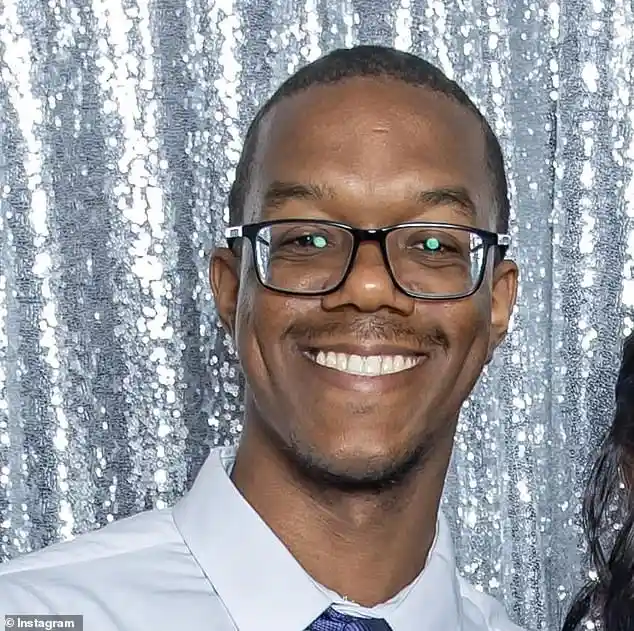
The federal criminal case creates the second battlefield. Brian J. Cole Jr. has been charged in the D.C. pipe bomb case. The FBI affidavit says Cole purchased components consistent with the bombs, including pipes, end caps, 9-volt battery connectors, white kitchen timers, red and black wire, and steel wool. It also says Cole’s cellphone connected with towers near the RNC and DNC during the relevant window, and his Nissan Sentra was observed near the area before the bomber appeared on foot. A later superseding indictment added charges, including attempted use of a weapon of mass destruction and an armed terrorism-related D.C. count.
But Baker has questions. Volpe and Luthmann have questions. And the audience should have questions.
Why did the pipe bombs sit undiscovered for so long? Why did this case remain unsolved for years? What role did federal agencies, intelligence officials, Capitol Police conduct, and public narrative management play? What does Baker make of Ray Epps and the larger January 6 information war? And why does every major January 6 mystery seem to produce more censorship, more litigation, more sealed records, and more official fog?
This is a full-force interview on journalism, defamation, January 6, the CIA, the FBI, Blaze Media, gait analysis, and the American public’s right to know.
Interview Transcript
Michael Volpe: Welcome back to a very special episode of The Unknown Podcast. My name is Michael Volpe. I live in Chicago, Illinois, in Cook County. You can find me at MichaelVolpe.Substack.com.
My broadcast partner is Richard Luthmann. He lives somewhere around Fort Myers, Florida. He never says exactly where, but I do know that it is in Lee County, Florida, named after Robert E. Lee. You can find him at Luthmann.Substack.com.
We are joined by Steve Baker. Steve used to work at The Blaze. He now works at Veritas Regnat. Steve, you and I got into it a little bit on Twitter several weeks ago. You wrote an article that went viral, I think it was November of last year, where you accused Shauni Kerkhoff — at the time a Capitol Police officer, I believe — of being the January 6 pipe bomber. Since then, The Blaze has separated from you, and Kerkhoff has sued you. But you stand by the accuracy of your report.
Is there anything I got wrong there, or anything you want to add?
Steve Baker: Yes. I would begin with the part where you call it an accusation. What I stand by is what science has told us. This particular former Capitol Police officer, who now works for the CIA, was shown to be a 94 percent match on gait-recognition software. Professional analysts who do this for a living — targeting analysts — rated it as a 98 percent match.
So when people ask me how convinced I am that Ms. Kerkhoff is the January 6 pipe bomber, I say 94 to 98 percent. But that is not an accusation. It is just cold-blooded numbers.
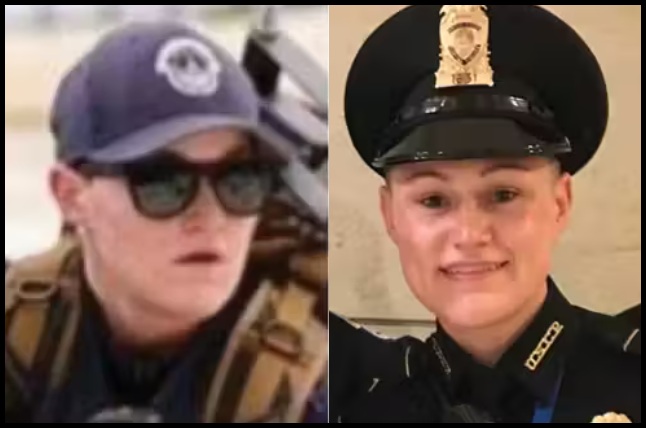
Volpe: We will get into all of that. But first, explain what happened with the pipe bombs starting on January 5 and then into the investigation. For those who do not know, at the same time January 6 was unfolding, unexploded pipe bombs were found in Washington, D.C., near the RNC and DNC. There were no injuries, but if they had exploded, there could have been deaths. It took a long time to identify anyone. Your report says, based on that 94 to 98 percent figure, that it was Kerkhoff. What happened?
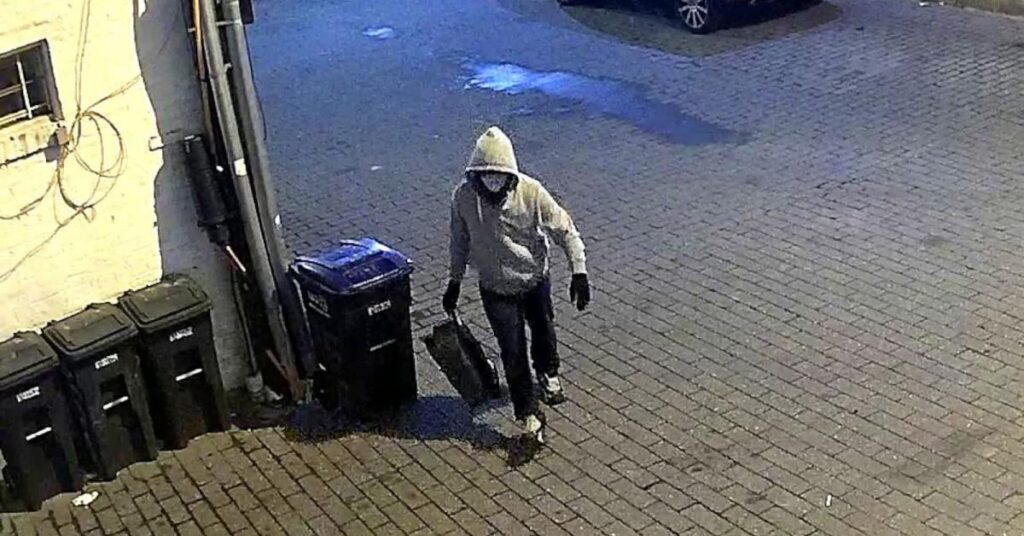
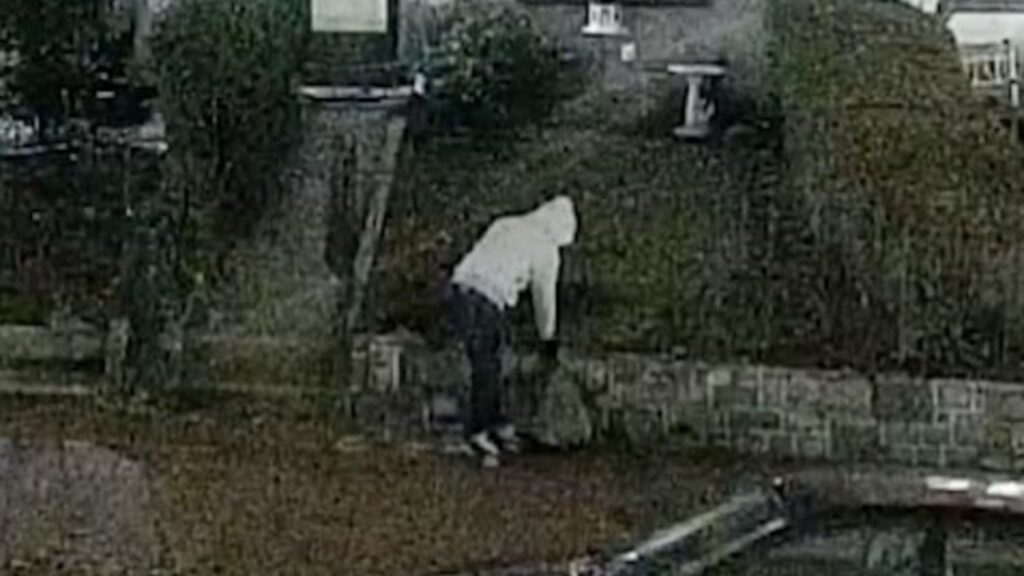
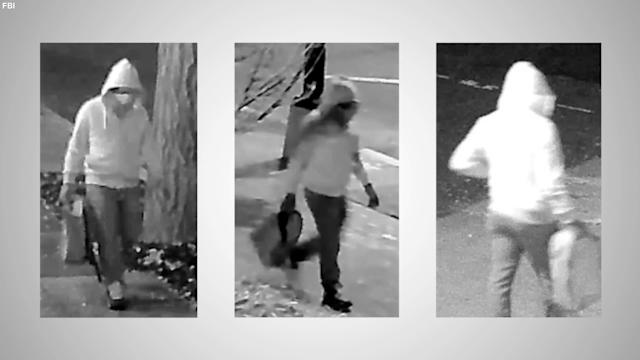
Baker: Very simply, for those who have been living under a rock: on the evening of January 5, the night before January 6, an individual wearing a gray hoodie, face covering, sunglasses, and carrying a backpack walked around for about 45 minutes. This individual was captured on camera and deposited two suspicious devices.
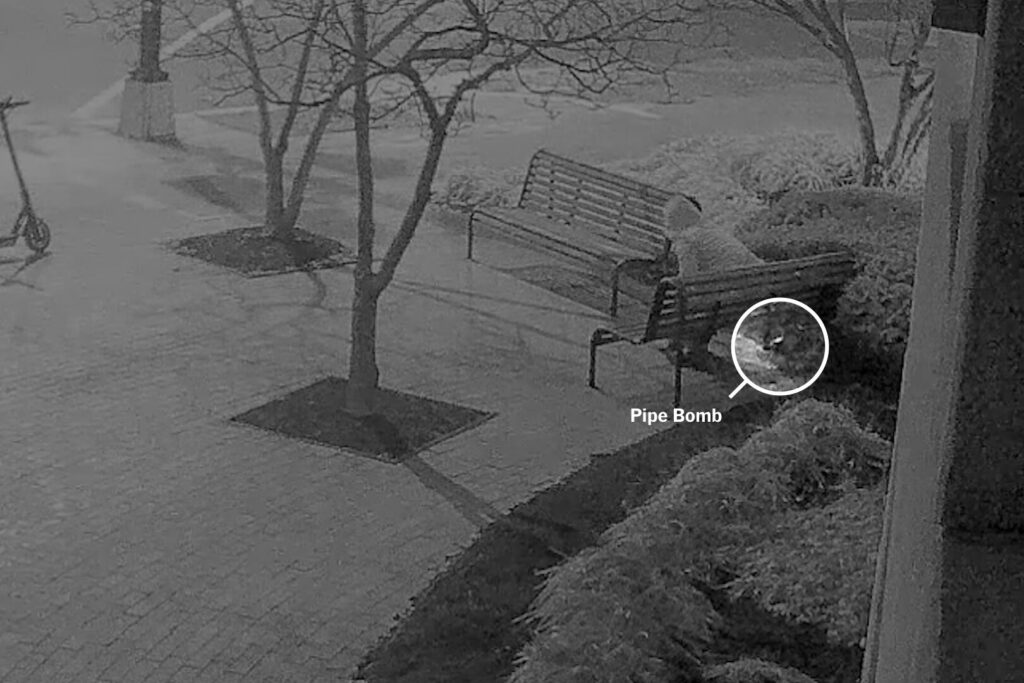
The first device was placed at the Democratic National Committee headquarters. On camera, you can see the person sitting on a bench. The second time the gray-hooded character goes to that bench, the person reaches into the backpack, pulls out a device, and places it near a bush underneath the bench.
Then that person walks over to the Republican National Committee headquarters. The actual placement of the second device is not visible on camera, but the device was found between trash cans next to a rat trap behind the Capitol Hill Club, which is a Republican private club next to the RNC.
Both devices remained undiscovered for 17 hours until they were found on either side of 1 p.m. on January 6. That timing matters. One p.m. was when the gavel was scheduled to drop for the joint session of Congress to certify the Electoral College vote. It was also when six legally permitted protest events on Capitol grounds were scheduled to begin. So the RNC device was found about 20 to 25 minutes before 1 p.m., and the DNC device was found about five minutes after 1 p.m. After remaining undiscovered for 17 hours, that is an interesting coincidence.
Volpe: Besides gait analysis, what evidence do you have that Kerkhoff was the person?
Baker: Because the law firm is listening, and because the people paying for the law firm — the CIA — are also listening, anything I say can and will be used against me. But I am not afraid of that. We have a lot of circumstantial evidence in addition to the hard evidence. Some of it I am willing to talk about today, and some of it I will sit on.
Volpe: What circumstantial evidence can you present?
Baker: The first point is that each piece by itself may mean nothing. But when you stack them on top of one another, they form a mosaic.
For example, the shoes worn by the pipe bomber. The FBI identified them as Nike Air Max Speed Turf, 2018 collector’s edition shoes. The color scheme of those shoes coincidentally matched the color scheme of the semi-pro soccer team Kerkhoff played for in Columbus, Ohio. Those shoes were issued in different color schemes for different teams. That is one small thing.
Volpe: Do you know whether she owned a pair of those shoes?
Baker: We have no proof that she did. When the FBI searched her house years later — after giving her notice before the search, which is not something the FBI typically does — they did not find those shoes. But they also did not find those shoes at Brian Cole Jr.’s house either.
Volpe: Anything else?
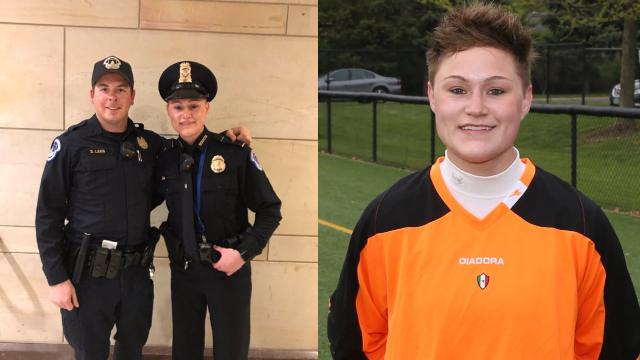
Baker: The bomber was measured by the FBI as approximately 5 feet 7 inches. On Kerkhoff’s Temple University soccer profile, she was listed as 5 feet 7 inches.
Volpe: So, same height. Give me two more pieces.
Baker: One compelling piece is what happened after the memo was leaked from inside ODNI. I had brought Kerkhoff’s name to ODNI. After that memo was leaked by a deputy director at ODNI to the deputy director of the CIA, multiple intelligence-community sources told me they had never seen such a freak-out in their careers. These are people with 20, 25, 30 years of experience inside the agencies. They said if Kerkhoff were just a low-level campus security officer at Langley, the CIA would have laughed at our story and ignored it. Instead, there was an enormous reaction.
And now, fast-forward to today, and we have Tulsi Gabbard resigning from ODNI as Director of National Intelligence.
Volpe: You would not give me a copy of the gait analysis. You said it would not be released. Why not?
Baker: The gait analysis itself would reveal who the source is. The source is being protected.
Volpe: Why is the source being protected?
Baker: The source needs protection.
Volpe: I looked up places that do gait analysis — Fleet Feet, Dick’s Sporting Goods, ASICS, Road Runner Sports, physical therapy clinics, tech companies. Are you saying you could not go to a place like that and get a non-anonymous analysis?
Baker: I went to the three most respected firms that do gait analysis for intelligence communities around the world. None of them would touch this with a thousand-foot pole.
Volpe: But did you go to Dick’s Sporting Goods?
Baker: I would not go to Dick’s Sporting Goods for this. That would be like going to Denny’s for prime rib.
Volpe: So you are saying they could not handle a gait analysis?
Baker: If I had relied on a sporting-goods store for this, you and everybody else would laugh me out of the ballpark.
Luthmann Enters: Journalism, Verification, and Good Faith
Richard Luthmann: I want to set the scene. Were you present in the District of Columbia on January 6, 2021?
Baker: Yes.
Luthmann: Do you believe Donald Trump was duly elected president in 2020, or do you believe the election was stolen from him?
Baker: I went 22 months before I entertained the possibility that the election might have been stolen. I was on record saying I would not answer that question because I did not know. It was not something I had researched or investigated myself.
What eventually tipped me toward believing it could have been stolen was Mark Zuckerberg’s testimony before Congress. He admitted Facebook allowed the FBI to help shape the narrative — what could be posted, who got kicked off, whose voices were throttled. Then the same thing happened at YouTube. People were deplatformed for even raising the election issue.
Then Elon Musk bought Twitter, and the Twitter Files showed us that CIA and FBI personnel were inside Twitter, shaping the narrative. You can steal an election by shaping the narrative.
Luthmann: My questions are journalistically focused. Journalism has three elements: news gathering, verification, and publication. The issue in this lawsuit lies heavily in verification. I want to ask about your good-faith basis at the time of publication.
You talked about protecting sources. Do you have any non-anonymous sources that can support your verification process?
Baker: That will happen during discovery or trial. I will reveal sources who give me permission to be revealed. Some of them have said that when push comes to shove, they will come to our defense.
Luthmann: So there are people who will stand behind you when the rubber hits the road?
Baker: If this is not dismissed long before then, yes.
Luthmann: The software that produced the 94 percent figure — can you speak generally? Was it commercial software, custom software, or government-origin software?
Baker: It was not government-origin software. I say that because the lie told by the FBI and CIA to the White House, to members of Congress, and to the press was that ODNI or Joe Kent illegally gave me access to government software. That is a complete and total lie. I brought the name and the results to them. They did not bring them to me.
Luthmann: Was the analyst who operated the software a credentialed forensic gait expert?
Baker: I will not go into that until the analyst is ready to identify himself or herself.
Luthmann: How were you satisfied that the data set was reliable? Can you discuss error rates, false positives, or peer-reviewed support?
Baker: What gives me confidence in the 94 percent match is that in intelligence and military communities, targeting analysts exist. Long before software did gait analysis, trained human analysts used their eyes to do gait analysis for targeting purposes.
I interviewed one of the analysts responsible for identifying the courier who led intelligence to Osama bin Laden’s compound. In that case, human analysis identified the person first, and software corroborated it after. Here, we did the reverse. We had a 94 percent software result, then took it to retired targeting analysts.
One retired lieutenant colonel, with 30 years as a targeting analyst in the Army, told us: “I have called in missile strikes or drone strikes on individuals for less evidence than you have. You have it right.”
Luthmann: So you are saying independent gait experts reviewed the materials before publication?
Baker: That is correct.
Luthmann: Why present the analysis as a quantified 94 percent figure instead of saying it was a strong lead or tentative lead? That number is central to the complaint.
Baker: I think it was important. After studying gait analysis, I can say that if we had received a 75 percent match, that itself would have been significant and would have activated more research, more investigation, and human intelligence review. But we got a 94 percent match immediately.
If you ask whether I would change anything about the story, it would not be that.
Luthmann: What would you change?
Baker: Joe Hanneman and I had our initial drafts go through four layers of editorial review. It went through The Blaze’s legal department. Because of the significance of the story, it also went through the executive suite and was signed off on by the CEO of the company.
In hindsight, the only thing I would change is that I probably would not have named Kerkhoff. I would have said a female former Capitol Police officer now working for the CIA. Everyone would have figured it out, but I would not have named her.
They are trying to prove malice. I had no malice. Anybody who knows the full story knows that we do not think she believed she was doing anything illegal or inappropriate. We believe she was part of a Capitol Police training exercise involving other officers we have identified.
D.C. Pipebomber – Steve Baker Interview: Did Baker Contact Kerkhoff?
Luthmann: Did you contact Kerkhoff before naming her in the story?
Baker: We made efforts to, but someone who works for the CIA — particularly Kerkhoff — had scrubbed her information. We learned about her through colleagues at the Capitol Police. The first person who identified her from a photograph told me that when she left Capitol Police six months after January 6, she changed her phone numbers, scrubbed social media, changed her email address, and nobody could reach her.
We were able to find historical records — employment, education, residential history, VIN numbers on cars — but no phone number. Could I have knocked on her door? Yes. I could have done that, but I did not.
Volpe: You say she had a limp from an old soccer injury. What evidence do you have that the limp continued years later?
Baker: We have three hours of video of her as a Capitol Police officer on January 5 and January 6, walking.
Volpe: Did you talk to anyone who knows her and said she has a limp?
Baker: People who know her, sources at Capitol Police, knew she had a unique gait. She has a very unique right leg. The technical name would be circumduction — a kind of leg drag. It is typical of someone who has broken a femur, which was the extent of her severe soccer injury in 2015.
She recovered. She is an incredible human being, an athlete, motivated, and a scholar. She qualified for the CIA. She excels at things she does. She runs marathons. But we have video evidence showing this unique gait, especially when she is fatigued.
At the end of January 6, after working all day, it became very prominent in her stride. We also have video from January 5, where it is evident but less pronounced. It depends on speed, direction, fatigue, and other factors. Gait recognition is not only about legs or feet. It is a whole-body analysis.
Volpe: Google AI says independent experts and the American Bar Association caution that gait analysis is prone to inaccuracies, influenced by clothing and footwear, and cannot scientifically provide a definitive individual match. What do you say to that?
Baker: That is false. The companies contracted by the CIA, the FBI, and the Department of Defense approach this differently. The law firm calls gait recognition junk science. It is not. It is more accurate than facial recognition and more useful in some targeting situations because you can do it when the face is covered or from long distances.
Volpe: The video of the pipe bomber was grainy. Does that complicate the analysis?
Baker: We did not use the grainy FBI video. The FBI released about 30 seconds of bad, frame-rate-reduced video. Because of our access to Capitol CCTV, we harvested over 20 minutes of the pipe bomber’s walk that was not frame-rate-reduced.
The FBI has roughly 30,000 video files of the bomber from ring cameras, security cameras, and businesses. In discovery, those files will have to be produced.
D.C. Pipebomber – Steve Baker Interview Lawsuit and Default
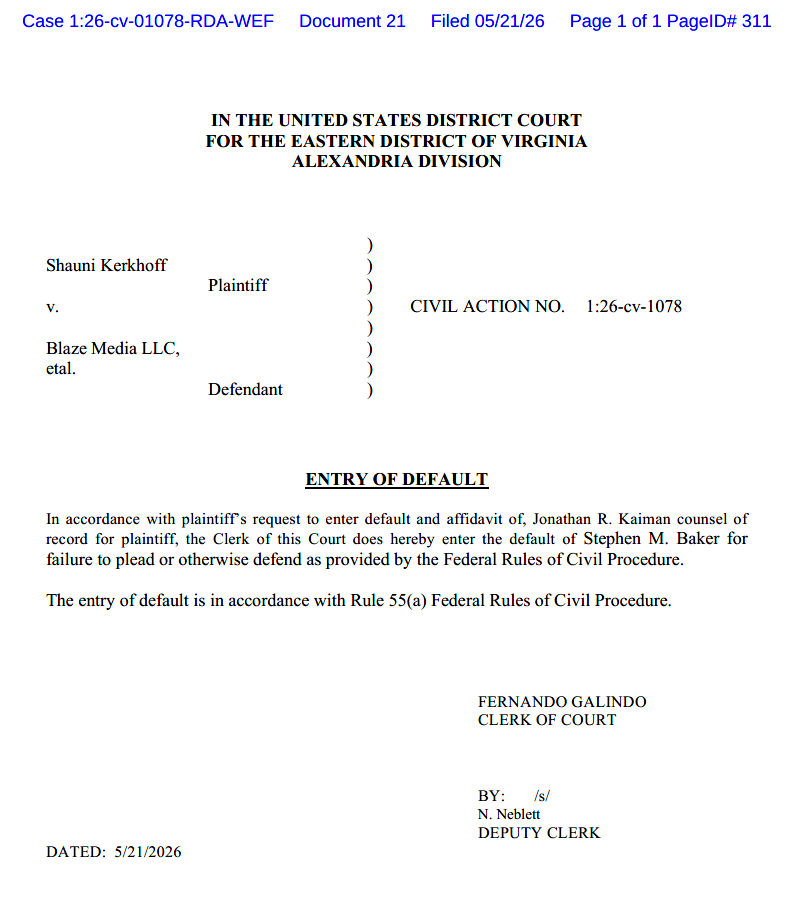
Volpe: Right now, you are in default in the lawsuit. You did not respond. What do you say?
Baker: I was not served.
Volpe: They say they served your roommate.
Baker: We do not know who “David Fincher” is. Our lawyers are responding. We will contest it. They are confident it will be set aside.
Volpe: Do you think it is responsible to accuse someone of something this serious based only on anonymous sources?
Baker: I did not accuse anyone. I reported a 94 to 98 percent gait-recognition match.
Volpe: Based on an anonymous gait analysis. No one can check your work because you will not release it. That is all you have. The height match is interesting, but not much. Everything else is circumstantial. Do you think it is responsible?
Baker: I reported a 94 to 98 percent match. I also reported that, based on our sourcing at Capitol Police, we believe she thought she was participating in a training exercise.
The CIA’s reaction is something I hope we find out through discovery. Yes, the source is anonymous to the public for now. It was not anonymous to me.
Baker’s Training-Exercise Theory
Volpe: What evidence do you have that this was a training exercise?
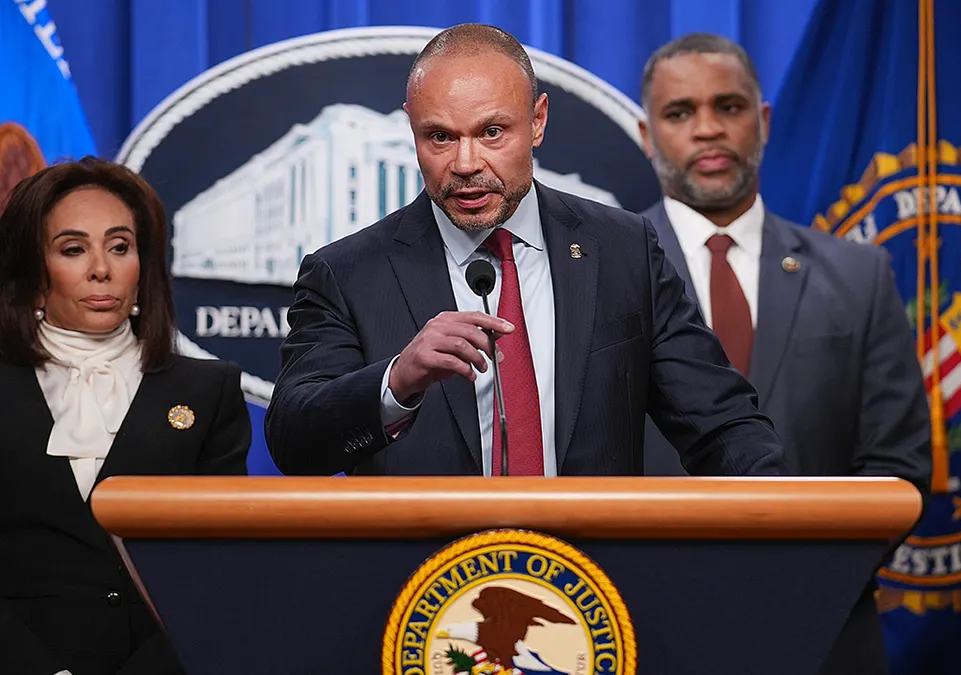
Baker: Dan Bongino, before becoming Deputy Director of the FBI, said on air that the government would eventually be forced to float the idea that this was a training exercise to avoid revealing a multi-agency conspiracy involving the devices.
Then, in summer 2025, our own FBI sources at the Washington Field Office told us the FBI was going to present the public with the idea that it was an “ill-timed training exercise.”
Former Capitol Police Chief Steven Sund has said he would never approve a training exercise like that on a First Amendment protest day. January 6 is on the calendar every four years as a boots-on-the-ground protest day. There were multiple permits issued across the city.
But we know from testimony that intelligence about what was coming was withheld from Sund. Julie Farnam, head of the Capitol Police Intelligence Analysis Division, testified that Sund was deliberately not invited to the January 3 intelligence briefing. If they withheld that intelligence from him, it is possible they also withheld information about a bomb-training exercise.
Volpe: I am not hearing evidence. Do you have an internal document saying it was a training exercise?
Baker: We do not. This is my theory based on circumstances.
We released Capitol CCTV video of two Capitol Police counter-surveillance officers who were deployed to look for another device after the RNC device was discovered. We tracked their car to the South Capitol Street Metro station parking lot across from the RNC. The two officers walked straight to the only two places where the bomber sat that night: a bush outside the Congressional Black Caucus Institute and the bench outside the DNC. They did not search under trash cans, cars, gutters, or other bushes. Two minutes later, they found the DNC device. They knew where it was.
Then, when the officer notified Secret Service agents sitting in SUVs outside the DNC — where Vice President-elect Kamala Harris was inside — they sat in the car for about two and a half minutes and finished their sandwiches.
Luthmann: Bongino’s background is relevant. He was Secret Service and the NYPD. Did you talk to other law enforcement people about how officers would react to a real device?
Baker: Yes. We spoke to people in law enforcement, the ATF, the FBI, the Department of Defense, and the Capitol Police bomb squad. The devices looked like training devices. They were constructed like training devices.
The Secret Service and Capitol Police did not cordon off the area. They let families and pedestrians walk within feet of the device. They allowed car traffic and Metro trains to continue nearby. Standard training says they should cordon off at least 700 feet.
My theory is that the Capitol Police plainclothes counter-surveillance officer told the Secret Service something like: “We are in the middle of a training exercise. We have a device here. Finish your lunch, and then we will do the dog-and-pony show.”
Volpe: If it was a training exercise, why not just say so? Why would Kerkhoff deny it rather than say, “I was part of a training exercise”?
Baker: Because she was called in the next day and told not to. That is the theory.
The CIA, by its own admission, lies. That is what it does for a living. If the CIA, in conjunction with Capitol Police, created a training exercise, it would not necessarily admit it.
The devices had the effect of pulling resources away from the Capitol at exactly the time Congress convened, and protests began. Everyone I have spoken to — left-wing media, right-wing media, mainstream journalists — agrees the devices were likely diversionary.
D.C. Pipebomber – Steve Baker Interview: Brian Cole Jr.
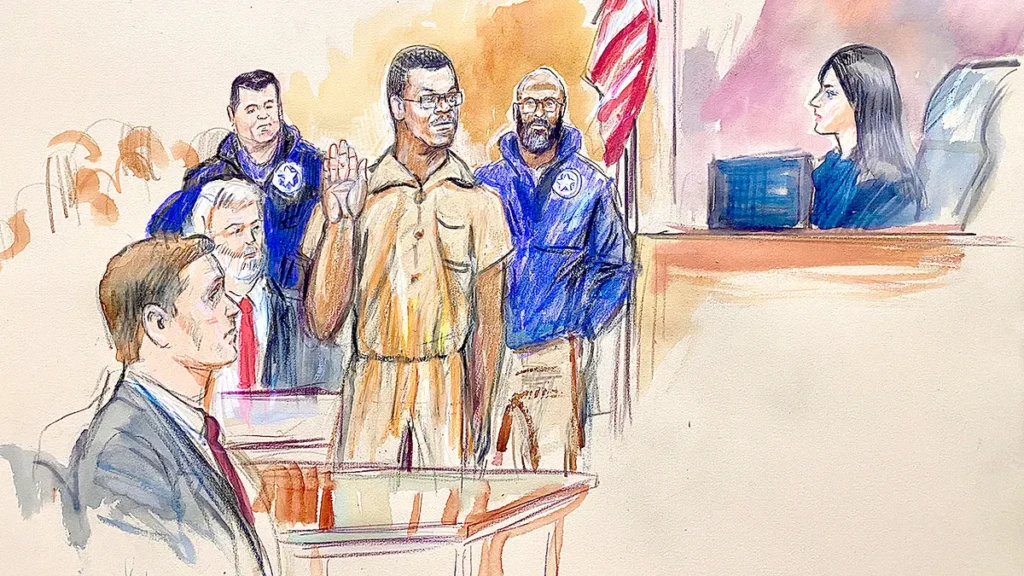
Volpe: The FBI affidavit against Brian Cole says he bought bomb-making materials consistent with the devices. His phone was near the scene. His car was seen nearby. He fit the description. You continue to say it is Kerkhoff, based on anonymous sources and circumstantial evidence. Do you think that is responsible?
Baker: Have you read what we wrote about Brian Cole? We have done a whole series.
Yes, his phone pinged in the area. But it did not ping where the bomber was. We mapped and vectored it out. Because of Capitol Police CCTV, we found and identified Cole’s car a mile away, getting onto I-395 back toward Virginia at exactly the time the hooded bomber was on foot. This is not Brian Cole Jr.
Volpe: He confessed, and he is still in jail. His phone pings. They found bomb-making equipment, and he confessed.
Baker: You have faith in the Department of Justice. I do not.
Cole is autistic and highly OCD. His own family says that although he is 30, he has the mind of a 16-year-old. He is withdrawn. He was interrogated for two hours, left alone for 20 minutes, then allegedly popped up and confessed. He was interrogated for four hours without an attorney present.
His FBI mugshot even shows him with headphones around his neck. Have you ever seen a mugshot with headphones before? That is his comfort item.
Volpe: If he was doing DoorDash that day, as you suggest, that would be easy to prove. DoorDash would have electronic records.
Baker: We do not have discovery yet. We know he did DoorDash for his family. We need the records.
Volpe: If true, that would have come out by now.
Baker: The FBI has also not released its 30,000 video files. If they wanted the public’s help, why release only 30 seconds of blurred, frame-rate-reduced video? Because when you reduce the frame rate, you cannot see the gait.
Good Faith, Bias, and Inside Job Theory
Luthmann: On November 8, when you published, did you believe in good faith that Kerkhoff was the bomber? And do you still believe it today?
Baker: I believe the gait analysis matches Kerkhoff at 94 to 98 percent.
Luthmann: That formed your good-faith belief?
Baker: Absolutely. Six months later, we still stand behind that. My standing behind it is why The Blaze had to let me go.
I was terminated at 9:30 a.m. on April 1. Two hours later, it became public that Kerkhoff had failed her polygraph test related to whether she was the pipe bomber. The night before my termination, my editor-in-chief was trying to talk me out of going rogue and bringing Kerkhoff back up. I had been muzzled for five months. I could not do it anymore.
Luthmann: After The Blaze retracted, it said the sources still stood by the information. Are your sources still claiming Kerkhoff was the bomber?
Baker: My sources still stand by their analysis.
Luthmann: That is the ambiguity. Do they believe she is the bomber?
Baker: They believe there is a 94 to 98 percent gait-recognition match. That is the exact answer I will give.
Luthmann: When did you know the FBI ruled Kerkhoff out, and why did you keep writing after that?
Baker: It would seem they ruled her out when they arrested Brian Cole in early December. But three FBI sources then told CBS News that Kerkhoff had an alibi video showing she was home at the time. They also conveniently forgot to tell CBS that she allegedly failed a polygraph related to being the pipe bomber.
I was not dissuaded by Cole’s arrest. That arrest comes with stacks of suspicious activity.
Luthmann: Plaintiff’s lawyers will say your own January 6 experience and views about Capitol Police created confirmation bias. How do you answer that?
Baker: My first writings about Capitol Police said they were set up and used as sacrificial pawns. I wrote that six weeks after January 6. Because of that, Capitol Police officers contacted me privately. I have more Capitol Police sources than congressional investigators do. They come to me for information.
I have no ill will against frontline Capitol Police officers. I saw the fear in their eyes that day. They were young officers with no helmets, no body armor, no protective eyewear, looking at thousands of people coming toward them.
They believe they were set up, too. Even Harry Dunn, in his own book, said Capitol Police were set up to fail that day.
Volpe: Do you think January 6 itself was an inside job?
Baker: Yes.
Volpe: Where does Ray Epps fit?
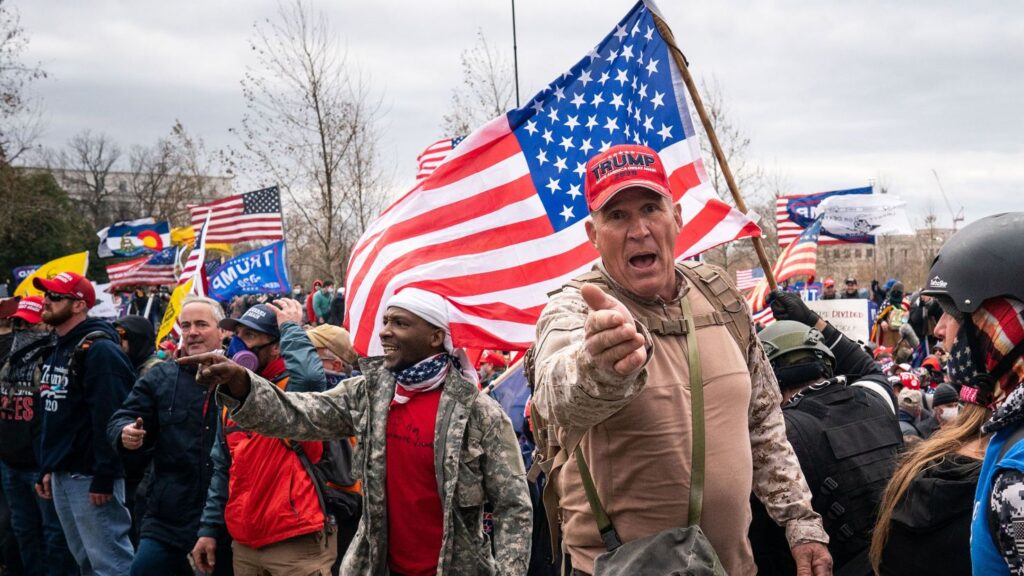
Baker: Ray Epps is the most famous person who revved up the crowd. He was a former Marine, former Oath Keeper, and former state chairman of the Oath Keepers in Arizona. He is on camera on January 5 and January 6 saying, “We have to go into the Capitol.” He said, “I may get arrested for saying this, but we have to go into the Capitol.”
He was person number 16 on the FBI’s January 6 most-wanted list, then suddenly they pulled him off. He was not prosecuted for over three years. Eventually, he pleaded guilty to one misdemeanor and got probation.
Volpe: Are you saying Epps was an FBI informant?
Baker: I do not believe this was an FBI operation. I do believe Ray Epps was a provocateur, but not necessarily an FBI agent.
Volpe: Does Kerkhoff being the bomber help your inside-job theory?
Baker: Yes, it does.
Volpe: Is that not confirmation bias?
Baker: No. I do not care whether it was an inside job. I believe it was based on what I saw, what I investigated, and what my sources have told me.
Nobody has done what I have done on January 6. I have sources in the intelligence community, the Department of Defense, and the Capitol Police. There is ample evidence that there was coordination to make the Capitol vulnerable that day.
D.C. Pipebomber – Steve Baker Interview: Damages, Harm, and the Ethics of Naming Kerkhoff
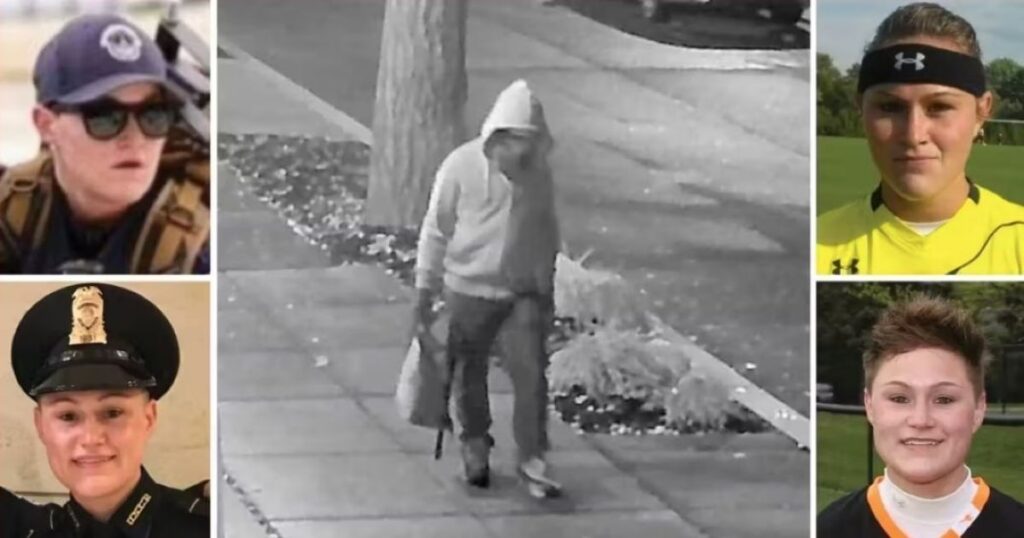
Volpe: The complaint says Kerkhoff’s life was turned upside down because of your article. She allegedly stopped going out, postponed her wedding, feared being tracked, and had FBI agents visiting her. Does it give you pause that you did this based on anonymous sources?
Baker: How did we turn her life upside down?
Volpe: She postponed her wedding. She stopped going out. She was worried about being tracked.
Baker: She still has her job. She did not lose income.
Volpe: So it does not bother you?
Baker: It is not supposed to bother me. I do not have malice.
Luthmann: Let’s separate categories. Economic damages are one thing. Emotional distress is another. Not going out to dinner for a month is not automatically extreme and outrageous unless there is medical evidence or something stronger. We need to know what damages are actually pleaded and proven.
Baker: What they are doing is this: based on Capitol Police sources, her fiancé or partner, also a Capitol Police officer, has not returned to work since our story came out. He is now apparently applying for some sort of permanent medical disability, likely to create damages that can be connected to the story. It is a lawyer trick.
Volpe: Ethically, I would never accuse someone of something this serious based on anonymous sources. You say no one can see the gait analysis. Her life got turned upside down. That does not bother you?
Baker: They are anonymous to you. They are not anonymous to me.
Volpe: No one can check your gait analysis.
Baker: You are expressing an opinion.
D.C. Pipebomber – Steve Baker Interview: The Neighboring Persons of Interest

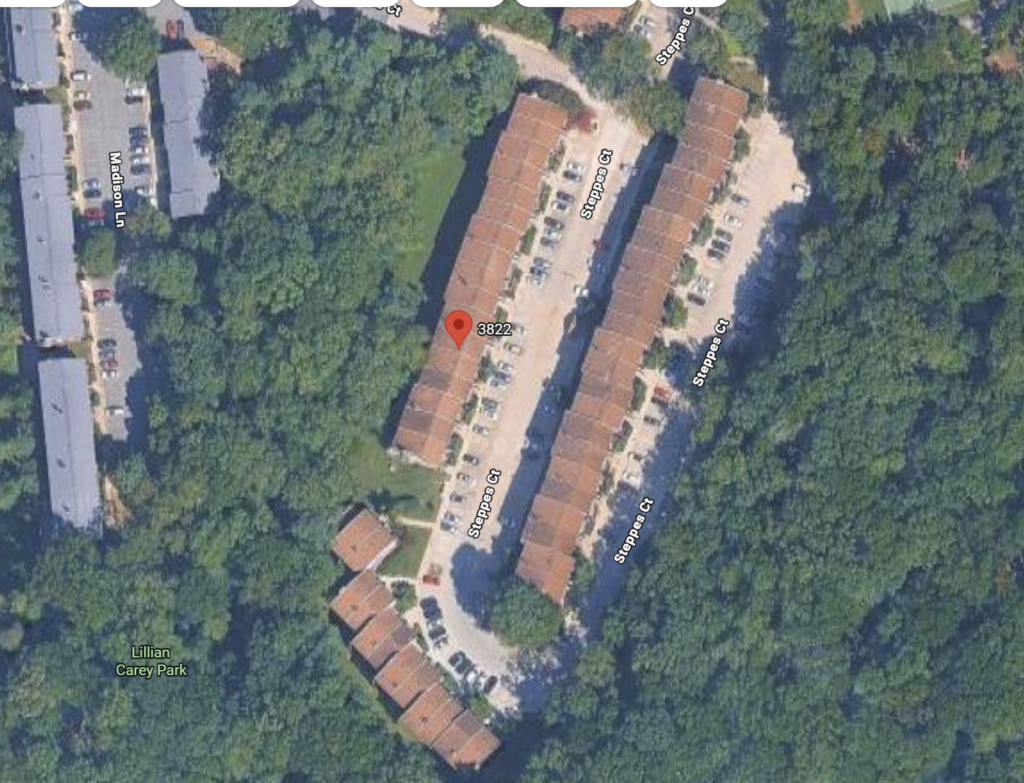
Baker: I believe Kerkhoff was the FBI’s original person of interest number one. We know who person of interest number two is. We know who person of interest number three is. I have spent five hours face-to-face with person of interest number two. Person of interest number three slammed the door in my face.
In Falls Church, Virginia, there is a condo complex. Behind door number one is person of interest number three. Behind door number two was Shauni Kerkhoff. Behind door number three, or associated with door number three, was person of interest number two. These people were separated by one wall.
There are 2.4 million individual households in the greater D.C. area. Yet person of interest number two and person of interest number three lived next door to Kerkhoff. Run the probabilities.
Volpe: Who is person of interest number three?
Baker: I will name him because he has been named in the press: Ralph Jones. Retired Air Force officer. Military contractor. Falls Church, Virginia.
Volpe: And person of interest number two?
Baker: I will not name him because I do not believe he had responsibility for what happened. I talk to him regularly.
The FBI put its top Washington Field Office counter-surveillance team on that address on January 12 and 13. Then they pulled them off and put them on phone duty before clearing the people there. These were the people supposedly involved in placing weapons of mass destruction near Kamala Harris. Why pull off the top team before clearing them?
Final Assessment and Closing
Luthmann: Steve, you have taken me to a place where I came in with an open mind. Michael and I talked beforehand about the gait analysis and its possible weaknesses. But I think you have convinced me that there is material beyond the gait analysis.
As another journalist, I have to give you the benefit of the doubt on good faith. If this case goes forward, maybe it gets thrown out, maybe not. But it sounds like there was reporting work behind this, and the case looks less strong than I initially thought.
Baker: I appreciate that. I have not been coached by attorneys yet. Once this case goes forward, their attorneys are probably going to try to gag me and tell me to shut up, so I am glad to get a lot of this out before that happens.
There will be more. There is more. It will be presented in due course.
My life would be a lot less complicated if I had not named Kerkhoff. As I said, our story cleared four levels of editorial review, executive review, and legal review before publication. If I could pull it back, I would not name her. I would describe her job, her former job, her current job, and everything else about her — but I would not name her.
I wish I could pull that back. But it is done.
Volpe: Who was editor-in-chief at The Blaze at the time?
Baker: Christopher Bedford.
Volpe: Bedford was my former editor at The Daily Caller for a bit. He is a good editor. That is why I asked.
Steve Baker, thank you for being here.
Leave a Reply