

College football keeps expanding its television schedule. Greg Maresca argues that high school communities deserve one night of their own.
LUTHMANN NOTE: I’m with Greg. College football can leave Friday night alone. Universities love to celebrate the hometown coaches who develop their recruits, then accept television schedules that compete with those coaches for the community’s attention. That’s a lousy way to repay them. A high school senior gets precious few home games, and no television contract can give those evenings back. Fans will disagree about whether a particular matchup hurts the local gate, but the larger choice is straightforward: colleges can protect that tradition by keeping their games on Saturday. They have the rest of the weekend to sell us something. This piece is “Friday Night Heist.”

By Greg Maresca
Once upon a time in America, Friday nights in the fall were the sole domain of high school football.
That epoch is history.
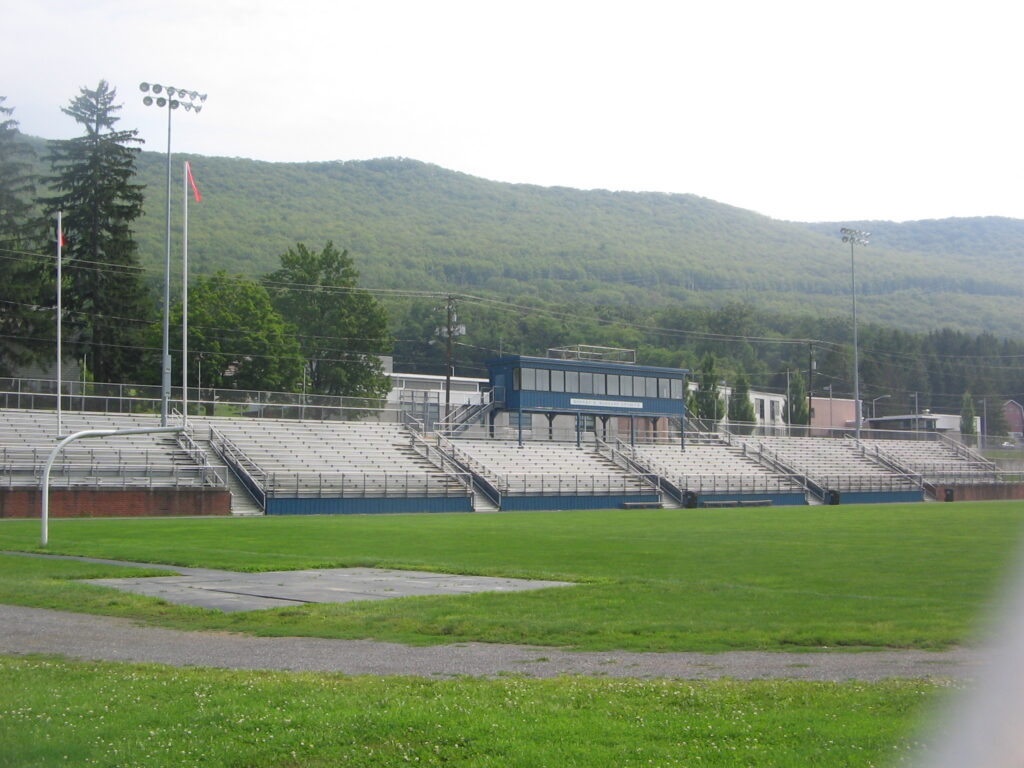
Last Friday, while I was making the trek to Mill Hall, Pennsylvania, to broadcast a high school football game, SiriusXM was broadcasting the Army–Temple game that kicked off during rush hour at Lincoln Financial Field in Philadelphia in what a broadcast executive would call “programming filler.”
54,100 seats were empty.
It was a college game played in front of a crowd you could fit into a high school stadium.
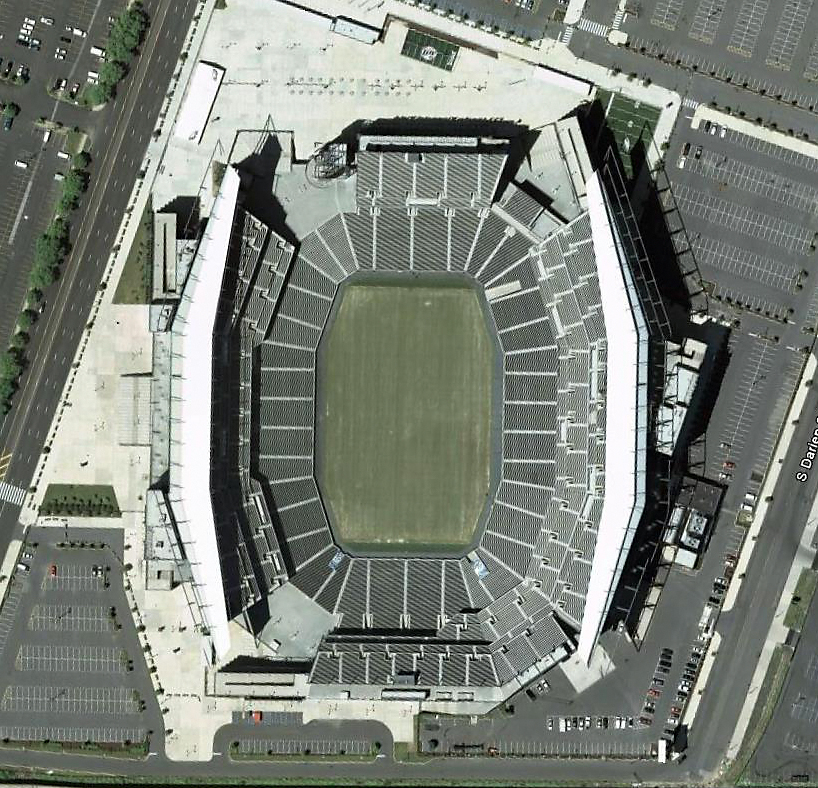
Some college games are now played on Fridays that nobody requested; few attend, and the only beneficiaries are broadcast and streaming networks, which supplement those hefty collegiate athletic budgets.
The college game has hijacked high school football in the pursuit of yet another revenue stream.
Something is very wrong with this picture, and everyone knows it.
If this does not summarize how upside-down college football has become, what does?
The seed was firmly planted when the first night football game involved, ironically, two non-high-school teams. The date was Wednesday, September 28, 1892, when Wyoming Seminary, a prep school, took on Mansfield State Normal under a crude setup of electric lights in Mansfield, Pennsylvania.
Across much of our fruited plain, by the mid-20th century, Friday night high school football under the lights had become an American institution. Friday night football became the heartbeat of towns as stadium lights flickered, bands played, and the locals showed up. It was the one night of the week when kids were the stars and the town revolved around them.
Now college football wants it.
It is another crack in the foundation of the traditional rhythm of the football world. Friday was high school, Saturday was college, and Sunday and Monday were the pros. Everyone knew their lane and respected it. This is a violation of the sport’s natural order. It is the college game cannibalizing the high school game, where television wants a seven-day game buffet, and every conference is more than willing to oblige.
College football already dominates the Gregorian calendar. It owns Saturdays. It spills into Thursday nights. It even creeps into Sundays to open the season. It has bowl season, playoff season, and the never-ending recruiting season. It is everywhere, all the time.
And still, it wants more.
But at what cost?
Penn State opened Northwestern’s new stadium on Friday and made fans choose between supporting their local high school team and watching their college team. That is not a choice any true fan of the game should have to make.
When a major college program jumps into Friday night, it siphons attention, crowds, and revenue away from the very level of football that needs it most.
This is how traditions die. Not with melodramatic announcements, but with the slow, nonstop drip of exceptions until the traditional way is a ghost. Friday nights used to be sacred. Now they are just another time slot on a broadcast schedule.
High school football is the purest version of the game. It is where the game is learned, where towns build identity, where the sport still belongs to the people rather than the networks. There are no NIL deals, conference realignments, or billion-dollar broadcast contracts. Just kids playing for their hometowns under the lights the way it has been for generations.
It’s the passing of a shared tradition from one generation to the next.
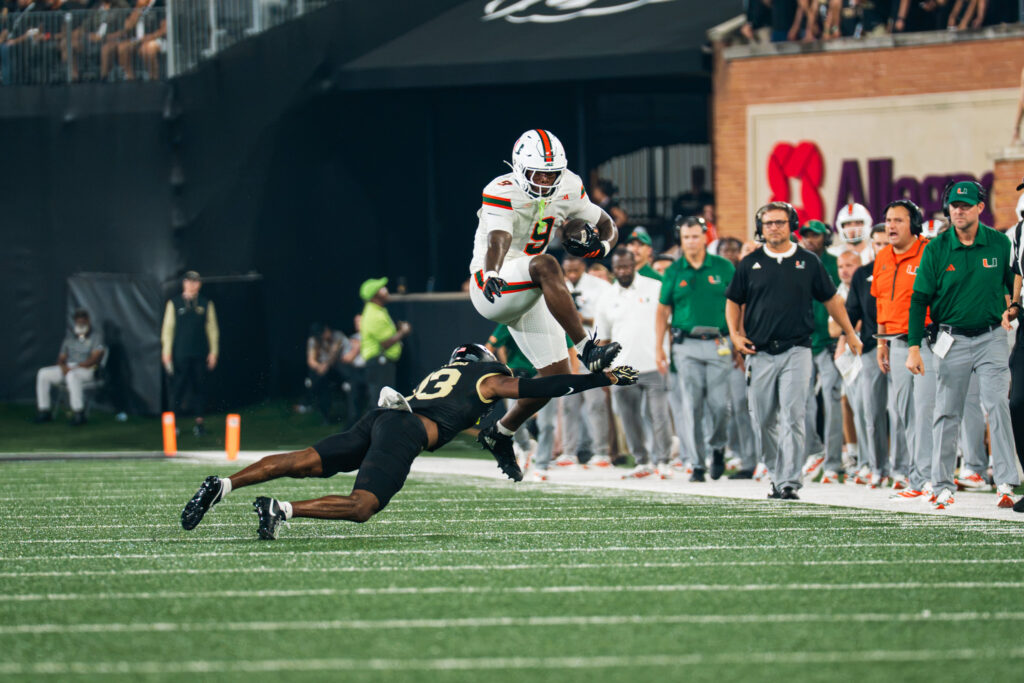
Army, Temple, Northwestern, Penn State, and the University of Miami should not be playing on any Friday.
College football should respect the foundation that grew the game. Because once Friday nights are gone, they are not coming back. And the sport will be poorer for it.
Friday night belongs to the high school players.
It always has and should remain so.
Leave a Reply