
Baseball Cards Were the Currency, the Schoolyard Was the Casino, and Every Kid Knew the Odds
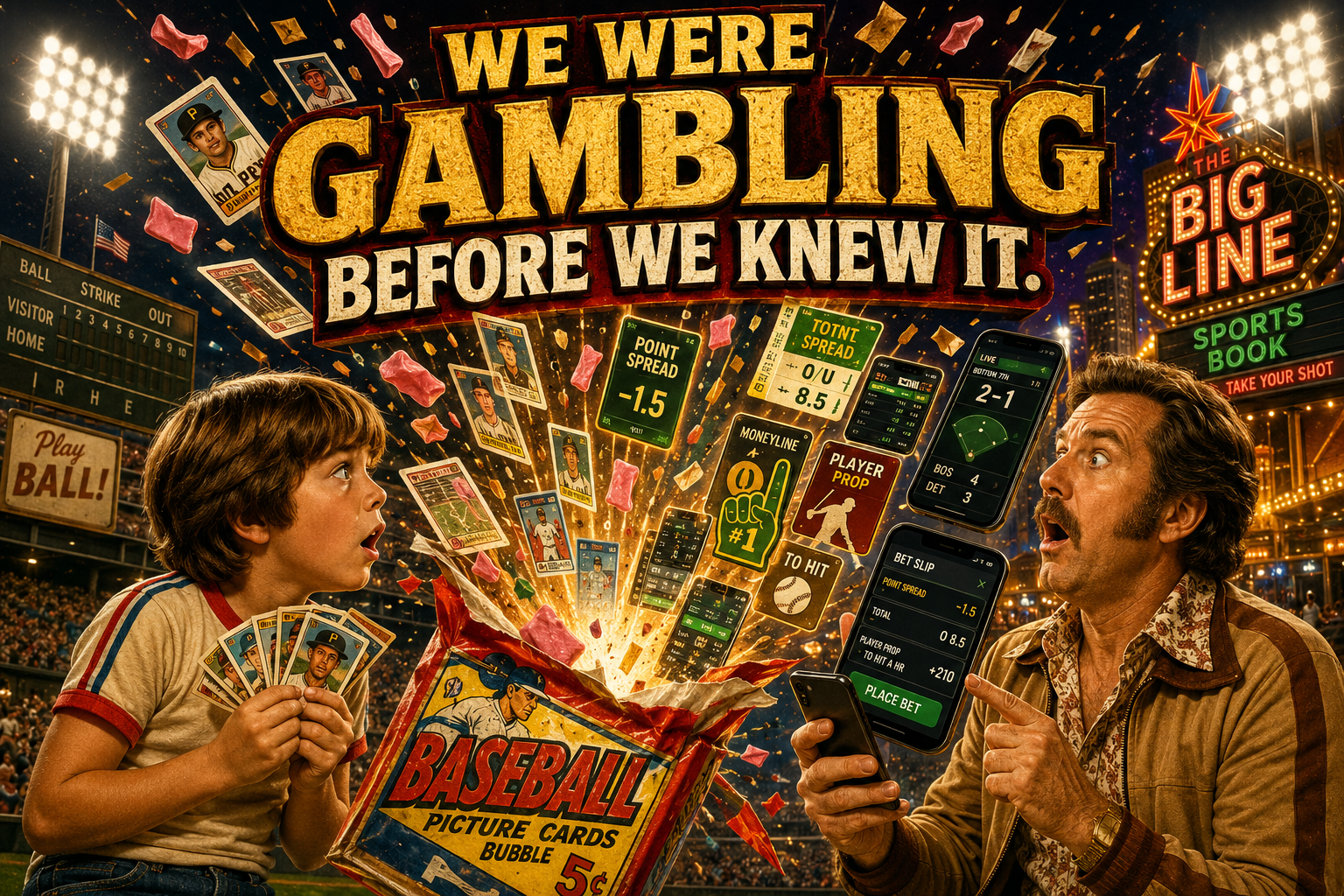
LUTHMANN NOTE: Greg Maresca has identified something bigger than baseball-card nostalgia. We didn’t merely collect those damn things. We traded them, protected them, coveted them, and occasionally risked our cardboard fortunes trying to make them multiply. Today, corporations spend billions manufacturing that same dopamine hit through parlays, props, and sportsbooks glowing from the phones in our pockets. There was something infinitely more innocent about losing three Yankees cards behind the schoolyard fence than losing three hundred bucks on whether somebody gets two hits today. Maybe Topps didn’t create America’s gambling culture. But for one generation of boys, cardboard was where we first learned the language. This piece is “From Topps to DraftKings.”

By Greg Maresca
Once upon a time in America, baseball cards weren’t collectibles or “investments.” They were currency, the hard cash of a boy’s childhood. Before anyone ever carried a wallet, you could feel rich just by stuffing your pockets with cardboard.
A pocket full of baseball cards was a boy’s fortune.
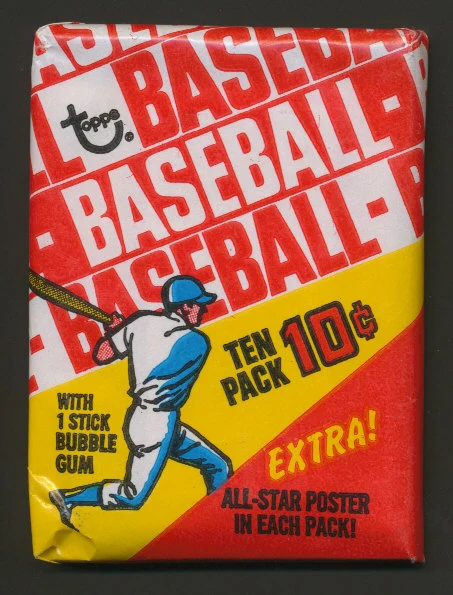
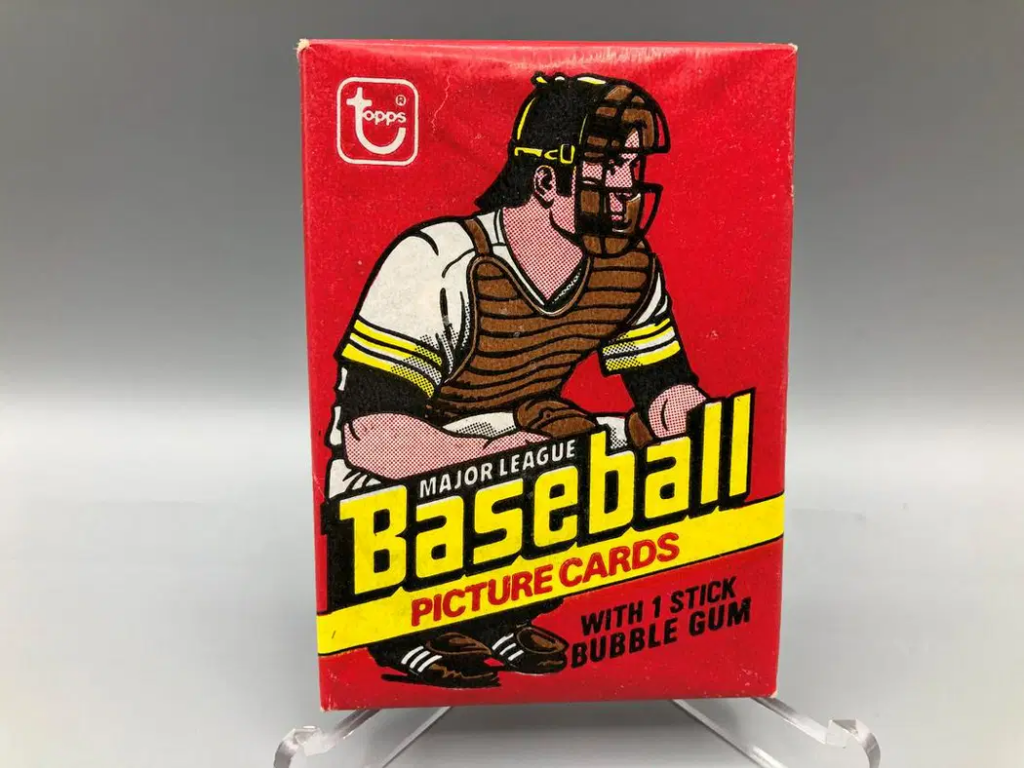
Every pack began with a ritual: tearing open that waxy wrapper and getting hit with that unmistakable whiff of cardboard, sugar, and the pink dust from that brittle slab of gum. Most times you pulled a nobody from a team three time zones away. But every so often, the Topps gods smiled, and you landed an all-star, and if he wore New York across his chest, it felt like winning the daily number.
This was long before the state legalized any lottery.
To see Tom Seaver in his unmistakable pitching windup was one card you would never gamble away. The best right‑hander in the game was now yours for the price of a dime.
In that moment, you weren’t just lucky.
You were rich.
In the schoolyards and playgrounds, baseball cards were not flipped the way kids did back in the 1960s. That was old school. It was rudimentary and slow. In the 70s, we advanced the genre by matching up the cards by their border colors. The first to match was a win.
Topps, whether they realized it or not, was in the business of printing the unofficial currency of many a boy’s childhood.
Learning how to play blackjack and shoot craps would come later.
It was fast, loud, and merciless. You could lose your whole stash in three minutes if the colors turned against you. But when they didn’t, when the borders broke your way, you walked home feeling like George Steinbrenner, who in 1973 paid a mere $10 million for the legendary Bronx Bombers that would equate to $73 million today.
That is a piece for another day.
Topps had been king of the baseball card world since the early 1950s, when it muscled Bowman out. For nearly 70 years, Topps handled every change-up and curve thrown its way. It survived recessions, lockouts, strikes, and the rise of rival companies.
It survived everything – until it didn’t.
In August 2021, Topps was blindsided by Major League Baseball and the MLB Players Association, the very institutions that had sustained Topps’s dominance, when they struck exclusive card deals with Fanatics, a newcomer with deep pockets. The company that once owned the childhoods of millions suddenly found itself without the rights that defined its identity.
For many of us, Topps wasn’t just a corporation. It was a companion. It was the smell of a pack of new cards emerging from its wax packaging. It was the thrill of landing an all-star. It was the colors that determined your fortune in the schoolyard.
The idea that Topps could lose baseball was unthinkable.
Topps had one asset left – its history, its catalog, and its nostalgia. The sentimentality of baseball fans, especially those who grew up in the 60s, 70s, and 80s, is powerful. It is that sentimentality that makes a grown man stop in his tracks when he sees a vintage card of Hank Aaron or Jim Palmer or Thurman Munson.
For boys of that era, Topps wasn’t just a company. It was childhood itself. And no contract, no SPAC, no corporate upheaval can erase the memory of opening a new pack and finding Henry Aaron staring back at you like a friend.
Fanatics may own baseball cards now, but Topps owns the past, that golden era when cards were currency, when borders were bets, when the schoolyards were loaded with boys learning the finer points of gaming commerce.
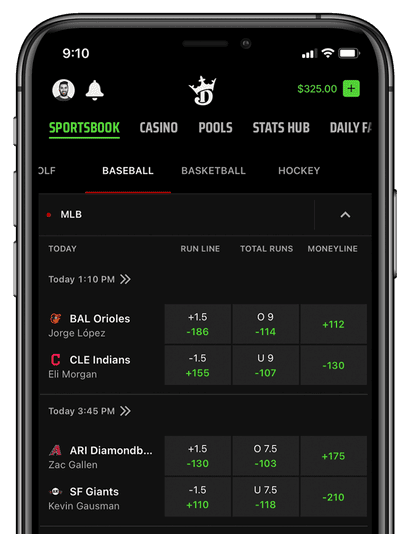
We didn’t know it then, but those schoolyard pocket collections of cards were less about baseball and more about preparing a future generation for parlays, point spreads, and prop bets.
Topps taught us collecting. The playground taught us odds.
Somewhere in Boston, in an air-conditioned corporate office, a former schoolyard baseball card shark is explaining “customer engagement” to DraftKings investors.
Leave a Reply