
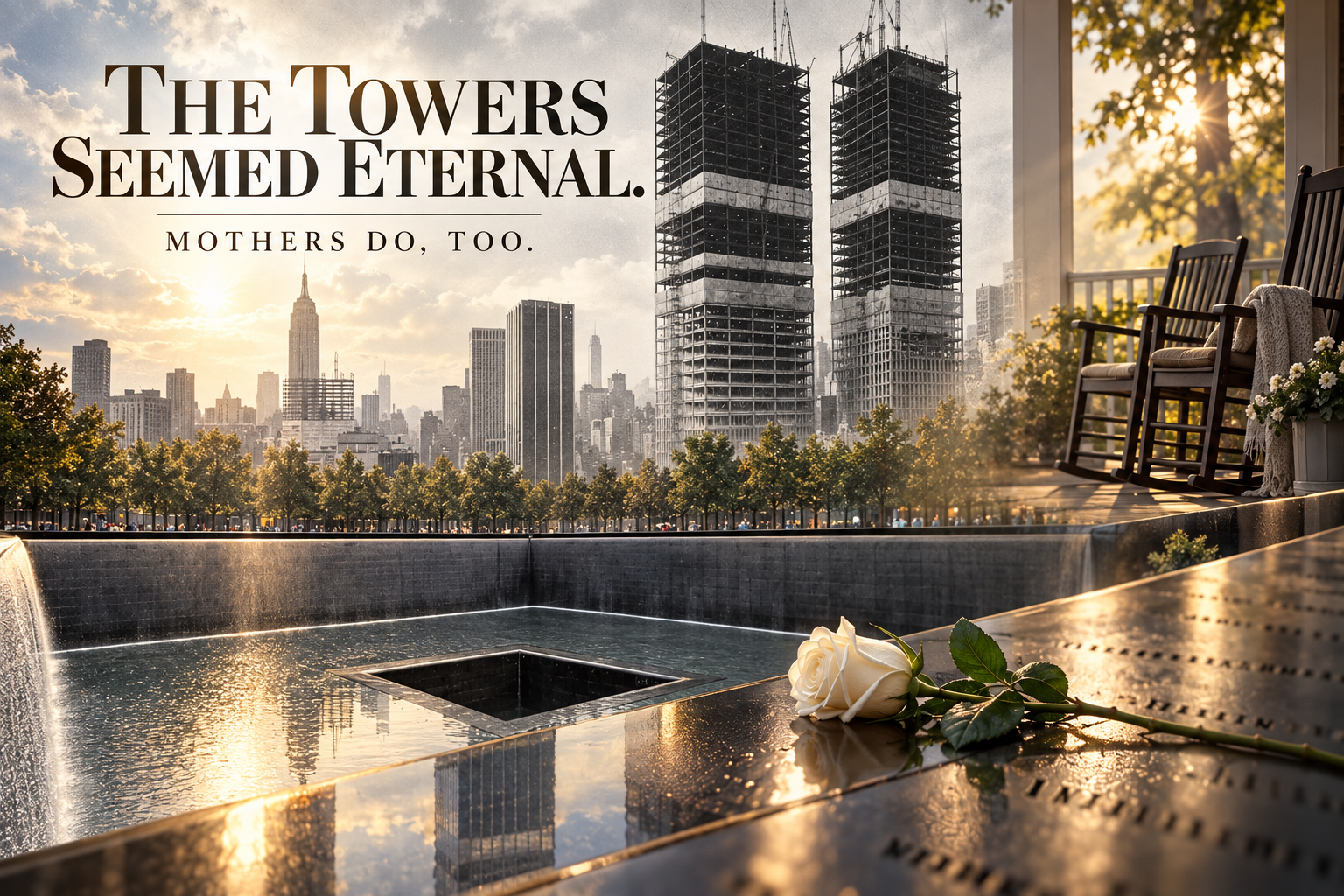
Twenty-five years later, Greg Maresca remembers the Towers he watched rise and the mother he lost that September.
LUTHMANN NOTE: What stays with me in Greg’s column is the hard hat. Before the Towers became images replayed around the world, they belonged to a boy watching his city grow. Then he brings us into his mother’s final days, and the scale of the loss becomes painfully intimate. I believe remembrance demands that kind of attention. Every name deserves more than an anniversary mention; every grieving family carries a history the public cannot fully know. Greg has trusted readers with part of his own. I’m grateful he wrote it. Twenty-five years later, we owe these memories our patience and our attention. This piece is “Shadows from 9/11.”

By Greg Maresca
I grew up watching the World Trade Center rise, but we kids never called it that. To us, they were the Twin Towers. I watched them climb skyward, their burnt-orange framework defining a childhood when New York felt endless and everything seemed constructed to last.
The Empire State Building, completed in 1931, ruled the cityscape as the world’s tallest building for four decades. By 1973, the Towers had redefined Manhattan’s imposing skyline. A friend’s dad was on the job, helping build what would become the tallest buildings on earth, and gave us boys hard hats with the Towers’ logo front and center.
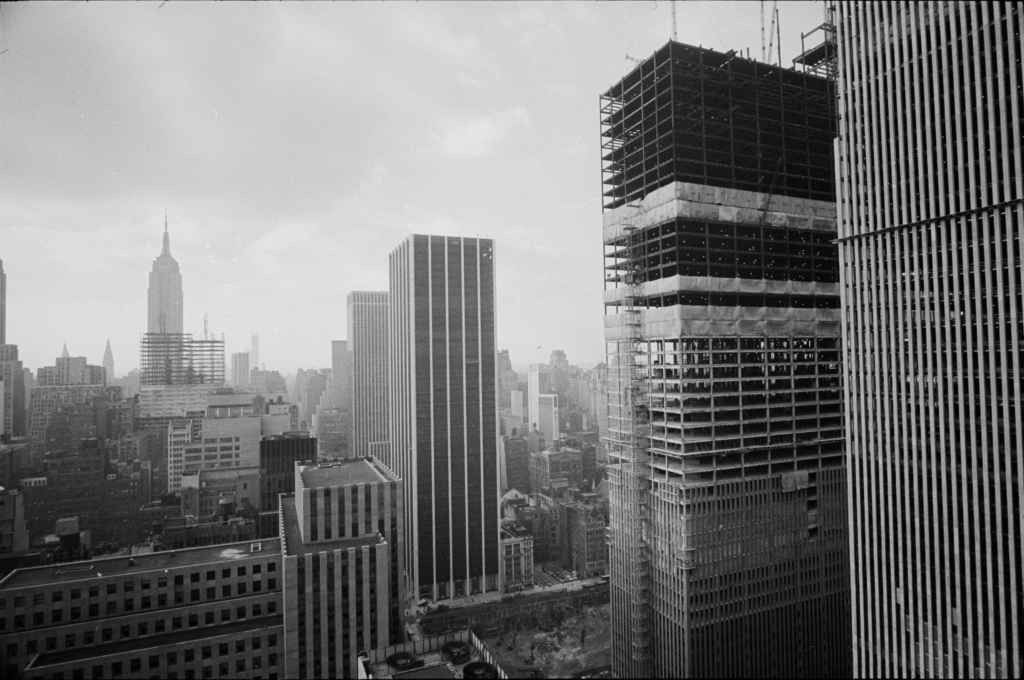
The Empire State Building symbolized the city’s early ambition, while the Towers represented its contemporary reach. Those Towers were not just modern architecture; they were identity. They were permanence.
Then, on a single morning, they were gone.
The Fire Department of the City of New York (FDNY) still features the Towers in its imagery. Its culture and iconography remain deeply tied to them. You see them on FDNY EMS patches and stationhouse logos throughout Gotham’s five boroughs.
Twenty-five years later, oceans of ink have been spilled about that fateful day when the Towers were no more. It has never seemed like enough, especially to one native son. It wasn’t until the last minute that I decided, for posterity’s sake, to write a column reflecting on that day. My mother was dying of cancer at the time and would pass away shortly afterward.
I don’t think 9/11 fully resonated with her, given how ill she was. But I do know the closest she ever got to an airplane was having lunch with her girlfriends at Windows on the World atop the North Tower. She was one Brooklyn gal who certainly would not have requested a window seat.
There are moments when history does not merely happen around us; it enters the house and parks itself at the head of the table. September 2001 was the month America lost its sense of invulnerability. It was also the month I lost the most influential woman in my life.
Grief has a way of withering the world.
My wife is experiencing this after her mother passed away last month.
Terminal illness reduces life to hospice care, whispered updates, and the never-ending tick of time. Then came September 11, and the whole country was pulled into that same hospice room.
Everyone was hoping for miracles.
The Towers seemed eternal.
Mothers do, too.
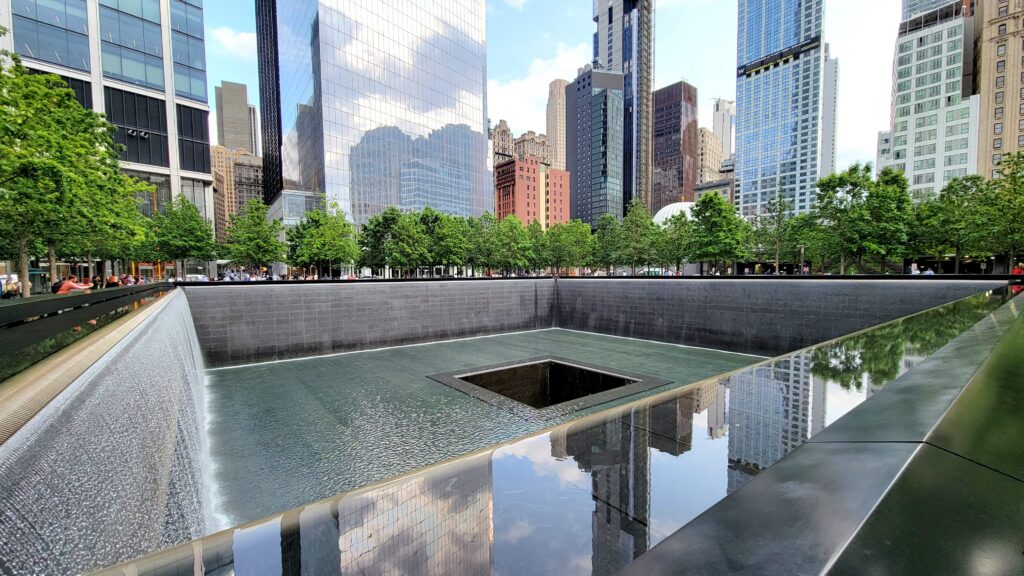
That is what makes the memories so hard to separate. The national wound and the personal wound blend together. We all mourned the 2,977 victims. I also mourned my mom, whose own battle with cancer had taught me how life can quickly change without permission and without warning.
Some losses are never replaced.
They are carried and endured.
We learn to live around them, but we never outgrow them.
September 11, 2001, changed America.
Losing my mother changed me.
Together, they marked the end of one world and the beginning of another.
It was when innocence was lost, memory became sacred, and nothing constructed by humankind or held by the human heart could ever again be mistaken for indestructible.
Leave a Reply