
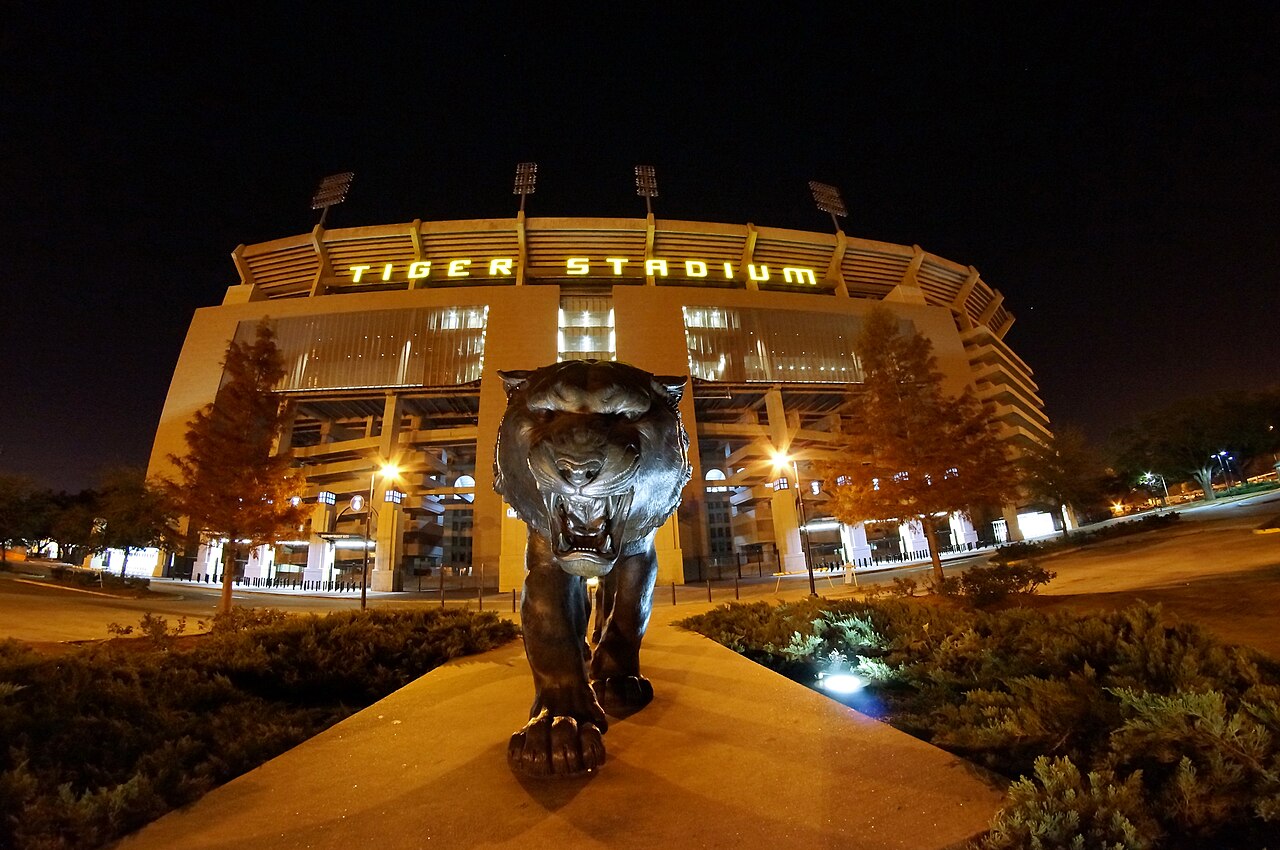
NFL hopefuls are heading back to campus as LSU, the SEC and the courts fight over college football’s shattered eligibility system.
LUTHMANN NOTE: I see these lawsuits as the bill coming due for years of NCAA improvisation. College football embraced NIL collectives, transfer portals, conference raids and professional-scale payrolls while clinging to the fiction that its old eligibility machinery could control the result. The NCAA then changed the clock and stranded the 2022 recruiting class after players had made career decisions under the previous rules. Courts rushed into the vacuum because the governing institutions surrendered credibility and consistency. LSU is exploiting the opening with Lane Kiffin’s usual flair. The SEC is defending its authority with financial threats. The players are following the money and opportunity. Every actor understands the game perfectly. This piece is “Eligibility Gone Wild.”

By Greg Maresca
College football has seen some recent bizarre plot twists that include the explosion of NIL money, conference realignments, mega coaching buyouts, and now a Louisiana judge issuing a temporary restraining order that gives a limited group of former players a path from the NFL back to college.
For the plaintiffs covered by these temporary court orders, agents, professional contracts, and even preseason snaps no longer automatically close the college door. The players must first terminate any NFL contracts and return the money they earned. Even with those conditions, the rulings cracked open a door nobody knew existed, much less thought could be kicked off its hinges.
Two plaintiffs, Dae’Quan Wright and Xzavian Harris, wasted no time sprinting toward LSU like it was a Black Friday sale. Wright participated in LSU’s Monday walk-through, although the NCAA’s seven-day acclimatization requirement will keep him out of the Tigers’ season opener against Clemson. Another plaintiff, Jack Pyburn, was waived by the Tampa Bay Buccaneers on Sunday and appeared ready to boomerang back to Baton Rouge until the Kansas City Chiefs claimed him one day later. Nothing says “college spirit” like keeping LSU in your browser history while the NFL waiver wire decides your itinerary.
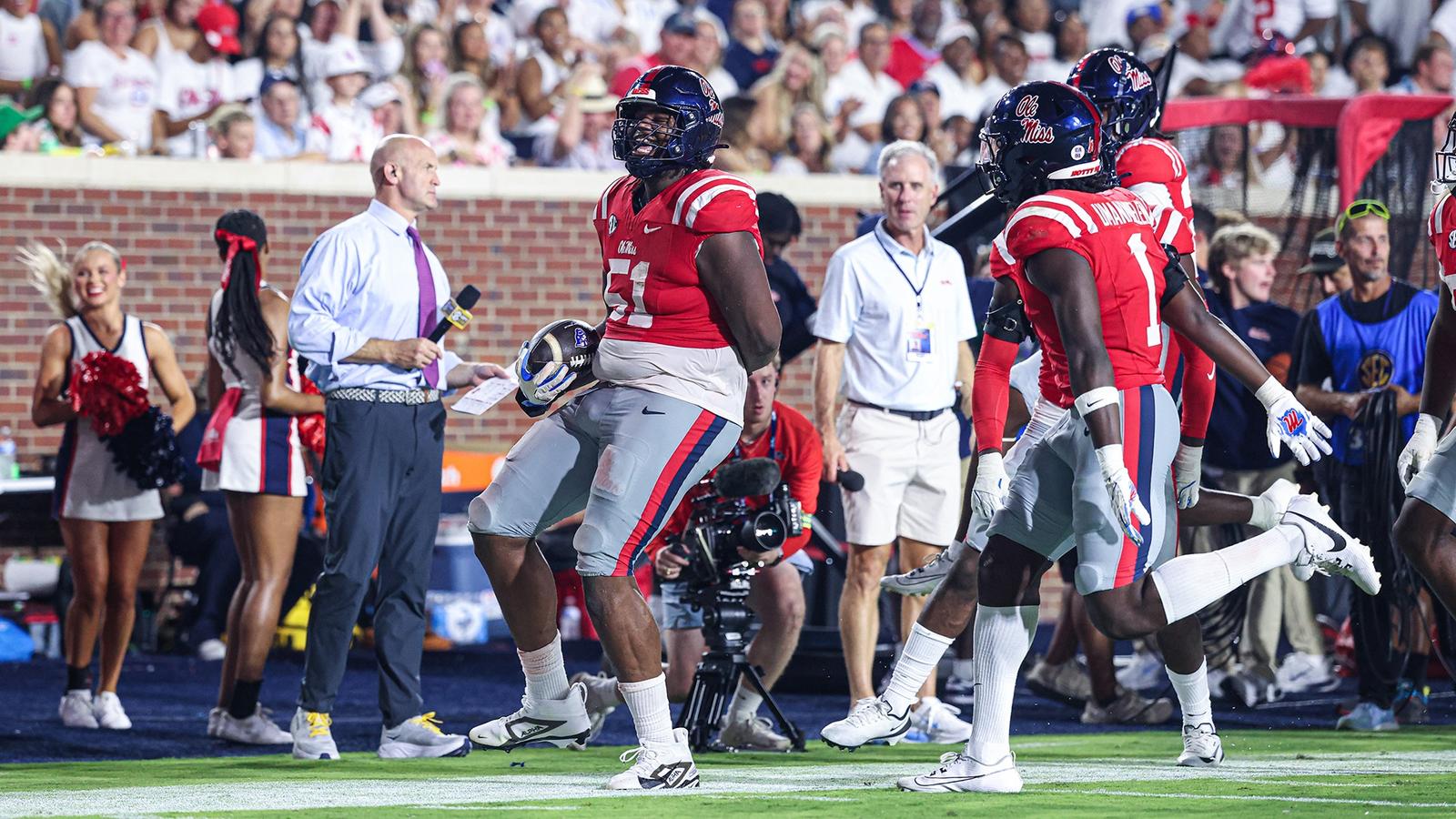
Other NFL hopefuls saw this circus tent go up and wondered whether they could squeeze inside. Lawsuits started flying like penalty flags. Conferences panicked and began slapping together emergency policies to stop the incoming stampede of pros trying to re-enroll. The SEC tried to slam the door shut, only for the players to amend their lawsuit and drag the conference and Commissioner Greg Sankey into court. LSU has every incentive to cheer them on from the sidelines, popcorn in hand.
This all commenced when college players wanted a fifth year of eligibility. In June, the NCAA adopted an age-based eligibility model built around a continuous five-year window. That clock begins with a player’s initial full-time college enrollment or at the start of the academic year following his 19th birthday, whichever comes first. The transition generally left behind players whose eligibility had already expired after the 2025-26 academic year, including members of the 2022 recruiting class who had already burned through four seasons. They sued and began winning temporary relief.
The Louisiana case was one of those lawsuits. It happened to include several players who had dipped their toes into the NFL. Their argument? They never would have gone pro if they had known the NCAA was going to change the rules and make a fifth season available to later classes. District Court Judge William Jorden found enough merit and urgency to issue temporary relief, with the delightful caveat that returning players must terminate their professional contracts and repay the money they received. Nothing says “welcome back to college” like refunding your paycheck.
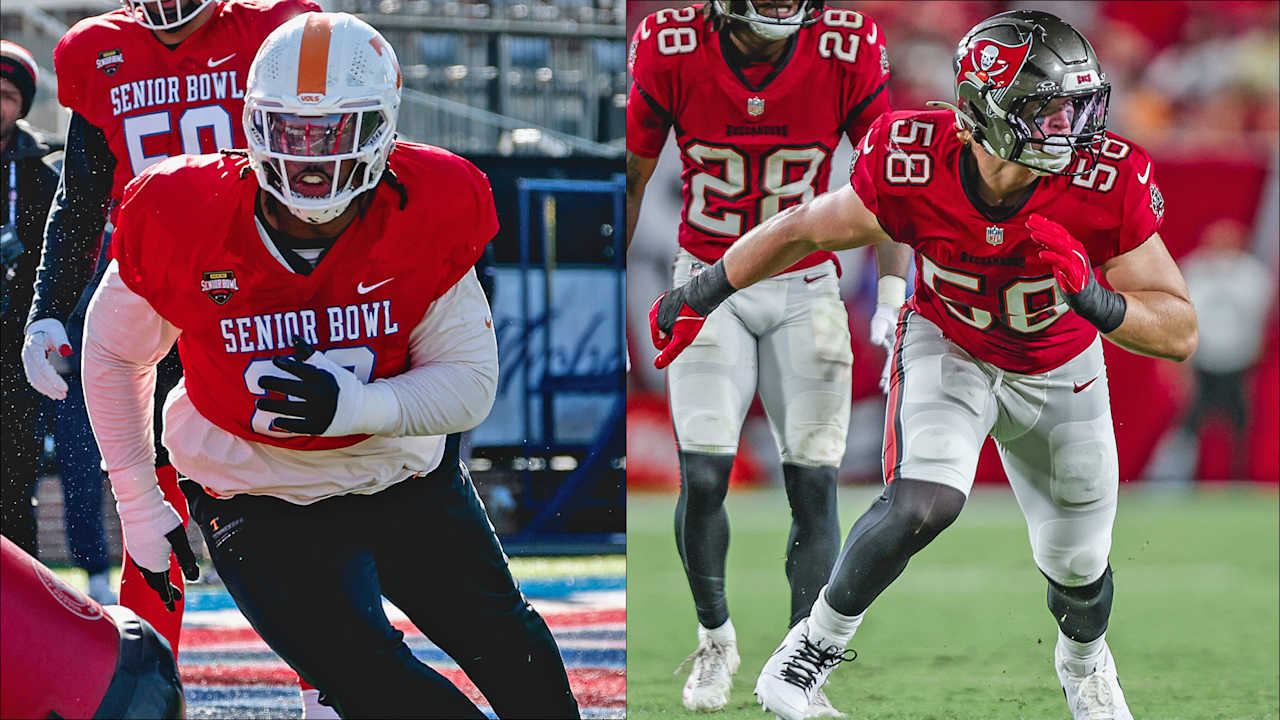
The Louisiana order protects the named plaintiffs while the case proceeds. Anyone else seeking the same treatment must file another lawsuit and hope for another whimsical judge. Neither Wright nor Harris played in an NFL regular-season or preseason game. Both were undrafted. Harris spent the summer on the New Orleans Saints’ non-football injury list before being waived. Wright signed with Philadelphia, was claimed by Cleveland, and spent about two weeks with the Browns without appearing in an exhibition game. Pyburn took the opposite route, recording four preseason sacks for Tampa Bay before Kansas City decided his NFL dream had not evaporated after all.
The Big Ten announced that a football player who declared for the NFL draft without withdrawing, signed a professional contract, or appeared on a professional roster cannot return to one of its schools. The SEC, Big 12 and ACC followed with their own versions. The SEC attached penalties severe enough to make boosters sweat: half-season coaching suspensions, fines reportedly reaching 50% of a sport’s annual operating budget, and the possible loss of conference voting rights. Under those policies, Wright and Harris remain ineligible unless the restraining order continues blocking SEC enforcement. Pyburn would face the same barrier if Kansas City cuts him and Baton Rouge starts calling again.

Can conferences enforce these policies? That is the multimillion-dollar question. LSU appears ready to test the SEC’s patience, especially after Louisiana Gov. Jeff Landry chimed in with the extremely helpful advice: “Don’t hate the player, hate the game.” Judge Jorden then expanded the restraining order to cover the SEC and Sankey, temporarily blocking the conference from punishing schools that use the protected players. It was the legal equivalent of a stiff-arm.
For its part, the NFL just shrugged. NFL executive Troy Vincent said a player who returns to college cannot come back to the league during the 2026 season. A player who already entered the draft and signed professionally does not get another trip through the draft. He becomes an NFL free agent for 2027.
Up next are more hearings, more rulings and more chaos. The SEC is scheduled to challenge the Louisiana restraining order at a Thursday hearing in Baton Rouge, barely two days before LSU opens against Clemson.
Conferences might sue schools. Schools might sue conferences. Everyone is watching LSU and the SEC like this is the season finale of a trashy reality show.
If anyone sees the adults, tell them kickoff was 20 minutes ago.
Leave a Reply