
Greg Maresca has been mistaken for dead three times. He’s still writing, and he has a few observations.
LUTHMANN NOTE: I’m glad Greg is still around to write his own rebuttal. Three false alarms ought to earn a man something better than a coffee punch card. What gets me, though, is the concern behind those calls. We save too much affection for the funeral, when the person we want to thank can no longer hear it. Call now. Tell an old friend he matters while he can still give you a hard time about getting sentimental. I share Greg’s confidence that death doesn’t get the final word. Until then, we have people to love and work to finish. This piece is “Rehearsing for the Obits.”

By Greg Maresca
There is a certain strange clarity that comes from hearing, more than once, that people thought you were dead. Most will never be the subject of a mistaken death report, yet somehow, I have managed to collect three such times when the world briefly believed I was history.
Proving that three times is not always the charm.
Looking back, each instance says something about the unpredictability of life, the assumptions people make, and the unforeseen ways rumors unfold. Taken together, they form a narrative about resilience, survival, and the humor that finds its way even into the heaviest of situations.
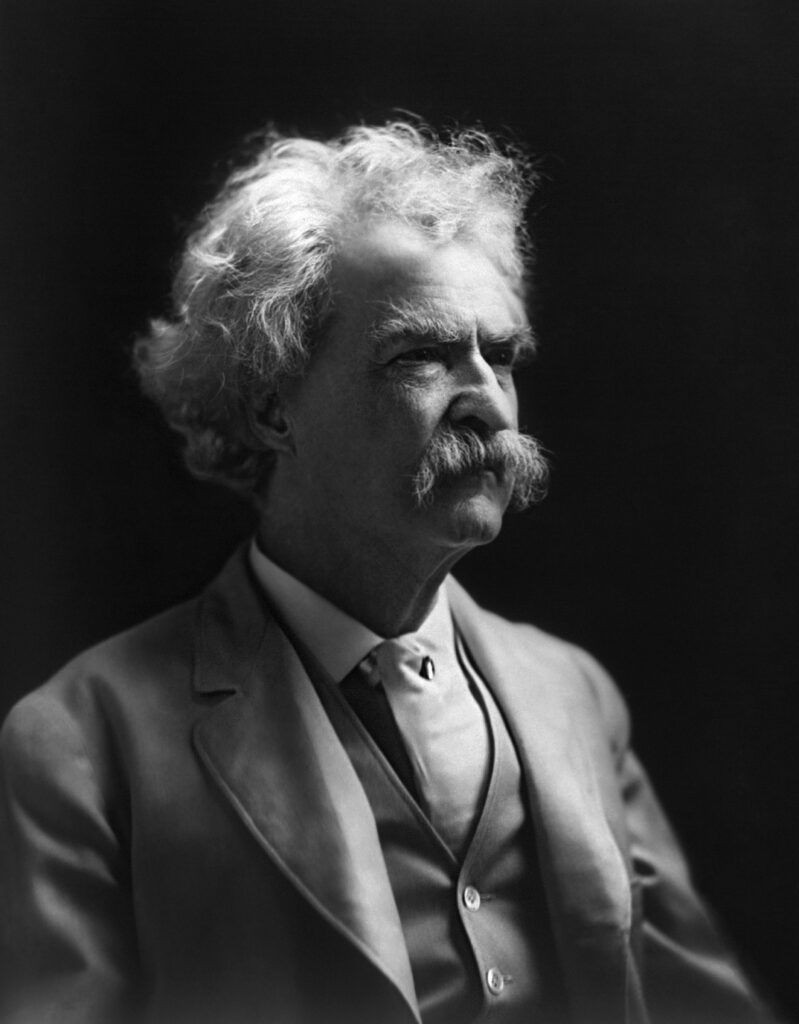
To borrow from Mark Twain, the reports of my death have been greatly exaggerated.
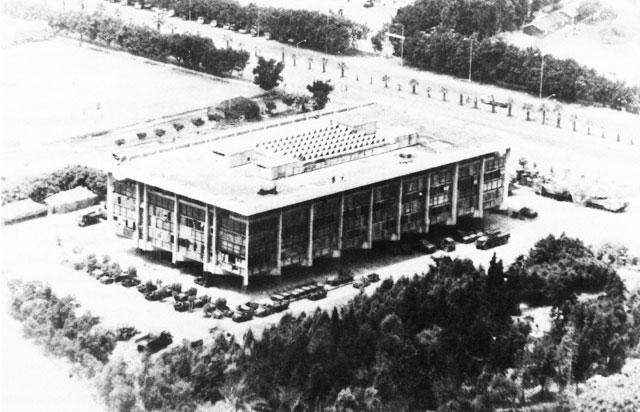
The first time was more of an inquiry by an uncle after the attack on the Marine barracks in Beirut.
First reports are often inaccurate and rarely travel cleanly, allowing rumors to transform into pseudo-facts with alarming speed.
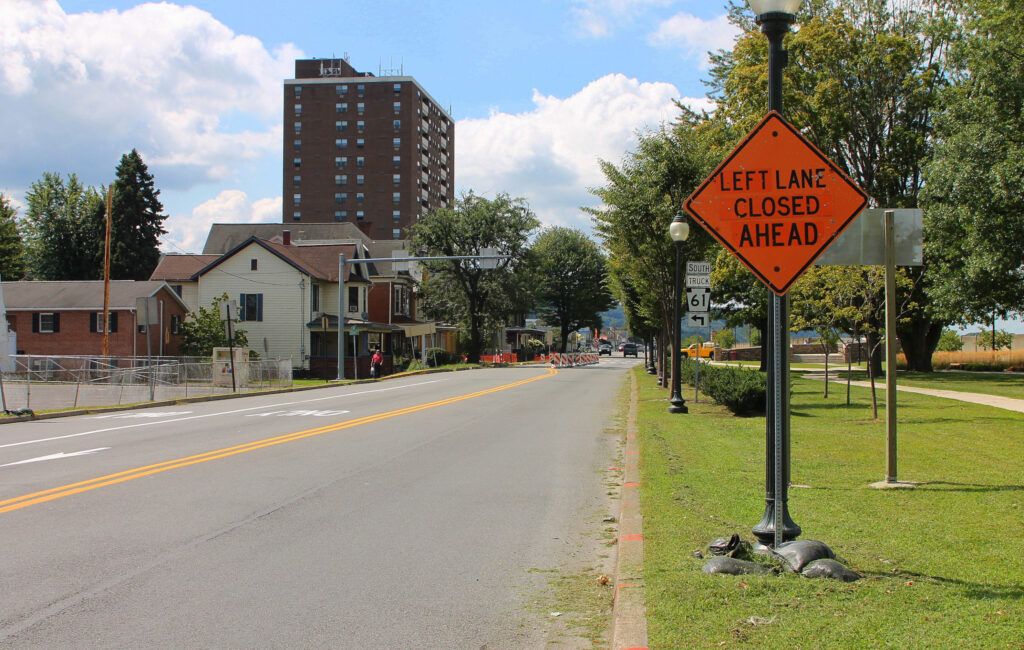
The second “death” rumor surfaced on 2/22/2022, an oddly memorable date that also happened to be my youngest daughter’s 19th birthday. Along Pennsylvania’s Route 61, a bicyclist was hit by a garbage truck around 5 a.m. and dragged about 300 feet. The rider was severely injured and thankfully survived. I had biked the same route daily for over 20 years, so the assumption was that the rider was yours truly, proving a fragile boundary exists between fact and assumption.
A person hears “bad accident” and fills in the blanks. Word spread quickly, and before long, as rumors do, the claim that I had been killed in the accident gained momentum.
Fate had other plans that day for both of us.
The third occasion had no deployment, no bicycle, and no drama. Just a friend calling another friend, inquiring if it was true that I had died.
For those whose eyes fall here weekly, there is a contingent that claims I have been dead all along, from the neck up, making this column the longest-running séance in print.
If there were a punch card for this sort of thing, I would be due for a free Starbucks latte by now.
Beneath the humor is something touching. Every time my premature death was considered, most reacted with genuine concern.
Of all the ways to find out you have been declared dead, getting a secondhand report ranks at the top. It was a mix of amusement and curiosity. It was the kind of misunderstanding you would expect in a sitcom. But behind the humor was something meaningful: people cared enough to wonder about my absence from this life.
When you stack the three incidents together, they form a strange, unintentional trilogy. Each false alarm came from a different source: a military rumor, an accident, and misinformation. All shared a common theme in assuming the worst because it is part of our human nature.
There is something oddly affirming in that.
I do not mean the fear or the rumors themselves, but the underlying human reaction.
To matter enough that someone worries, that someone grieves even prematurely, is a reminder that your life intersects with others in ways you don’t always know.
In an abstract way, this made me pause to consider my own mortality. Not through the prism of death, but through the reflection of how others imagined its possibility. The veneer between being present and being interpreted, between being a voice in the room and becoming a narrative someone else assembles from fragments in a world that moves fast, forgets faster, and fills in the blanks even faster.
These mistaken reports underscored how life has a funny way of reminding you that the game is not over and to be grateful.
All three incidents offered perspective, appreciation, and a column reminding me that losing everything we love to the final arbiter that is death is precisely what makes the Good News good.
Leave a Reply