
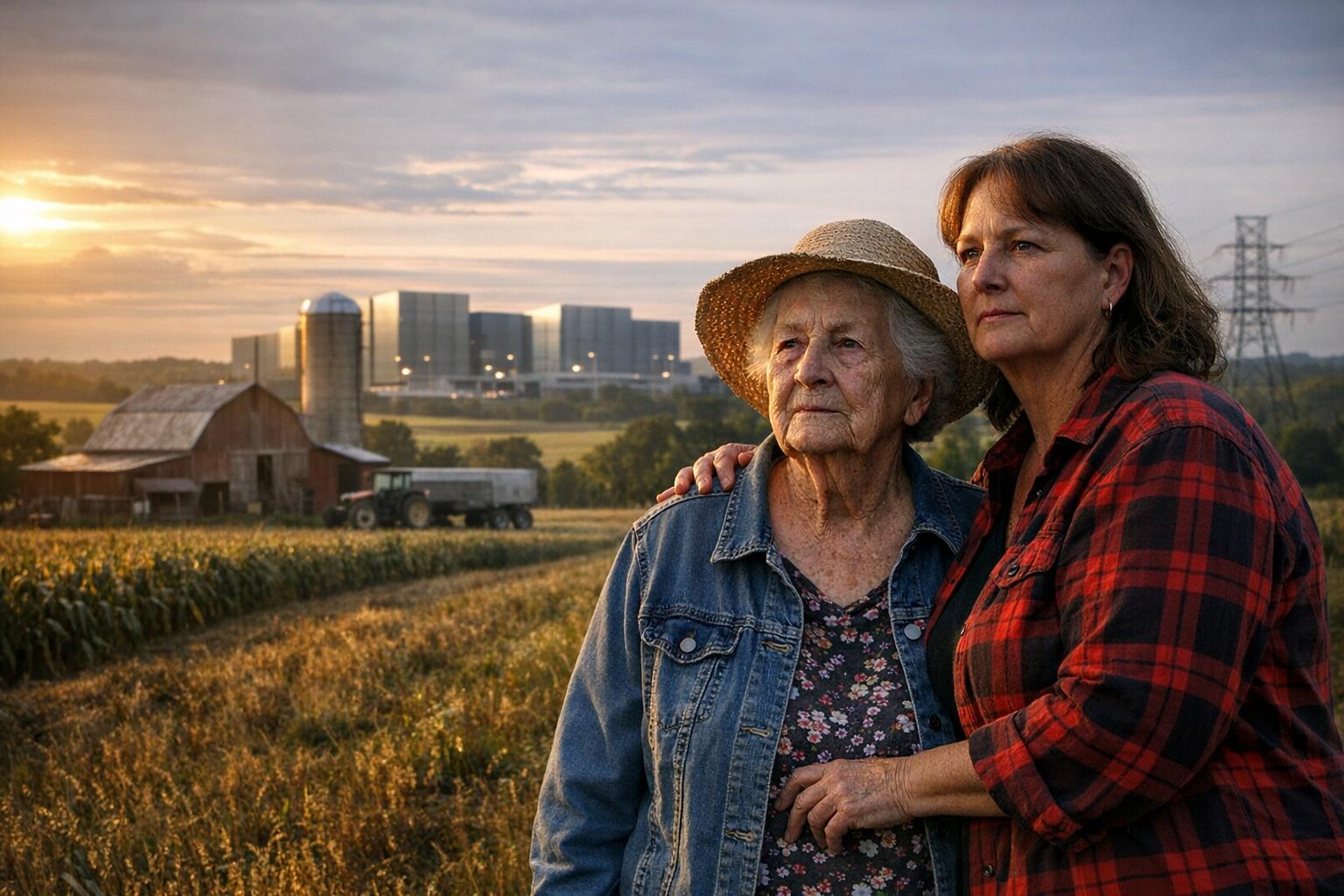
A proposed data center met something stronger than corporate capital: a family determined to preserve its land.
LUTHMANN NOTE: Greg Maresca brings this debate back to a landowner’s decision. I’ve examined the potential for tax revenue and infrastructure investment, alongside the questions surrounding American competitiveness in the global artificial-intelligence race. Those considerations do not explain what these women would lose by selling. Their decision puts a human face on a dispute often discussed through projections, acreage, and acquisition prices. I read Maresca’s essay as an invitation to consider something a balance sheet cannot resolve: What happens when the owner already possesses what money is supposed to buy? This piece is “The Price of Enough.”

By Greg Maresca
Public anxiety about data center construction only grows. Many worry that communities will face higher utility bills, water depletion, overburdened infrastructure, and economic uncertainty.
After COVID, distrust of government, institutions, and corporations has metastasized. Such opposition spans the political spectrum and extends into the upcoming midterm elections.
In Pennsylvania alone, there are more than 120 proposed data centers. Public records requests filed by Spotlight PA found at least eight nondisclosure agreements signed by township, county, and Shapiro administration officials in connection with data center projects. Why they were signed and whether the NDAs will result in construction are not always clear.
What is clear from a recent story in The Wall Street Journal is that two Kentucky women refused to be bought out for $26 million for their rural homestead, where a data center would be constructed.

The mother and daughter’s resolve to stay put is genuine and even admirable. The 534 acres have been in their family for nearly two centuries and are more than their domain. The land is their legacy and heritage.
Is it possible that happiness is not tied to the almighty dollar?
It was Socrates who said the richest people are those content with the least, and this Kentucky duo personifies such ancient sentiments.
People have wrestled with financial opportunity, technological progress, rural preservation, the seductive promise of riches, and the quiet dignity of deciding how much is enough since time immemorial.
Even with $26 million, the women admitted they would still be anchored to the same chairs, drinking their coffee. Such contentment is something many can’t comprehend.
Their decision is a rare act of principled clarity in a world where the slaves of secular paganism chase the financial brass ring.
Additional wealth adds comfort, but not always joy. This Kentucky duo is a powerful paradigm of personal freedom and property rights. They are the essence of “life, liberty, and the pursuit of happiness.”
Dissenting voices say refusing such a large sum reflects a lack of vision or practicality. They argue that the money could improve the women’s health, secure their future, and benefit the community.

Such sentiments are eclipsed by the overwhelming respect for the women’s autonomy and the symbolic weight of their decision.
Skepticism remains about why data centers must be built on agricultural land rather than in deserts, industrial zones, or remote areas. Others worry about secrecy, NDAs, and the sense that corporations are trying to acquire land without community input.
Developers assume rural residents will accept money without question. This perceived disrespect fuels resistance, turning what might have been a business transaction into a cultural clash between rural identity and corporate ambition.
Data centers create local jobs, although fewer than industry advocates sometimes claim, and critics contend that many of those jobs go to outsiders rather than local residents. At the same time, the facilities can generate tax revenue and finance improvements to local infrastructure. Unchecked corporate expansion, especially in AI, threatens communities and erodes personal freedoms. Others argue that AI development is essential for national competitiveness, particularly with China, a strategic fight examined in “China’s Two-Front War on American AI.”
This dichotomy over whether data centers represent progress or exploitation is a microcosm of America’s cultural divide.
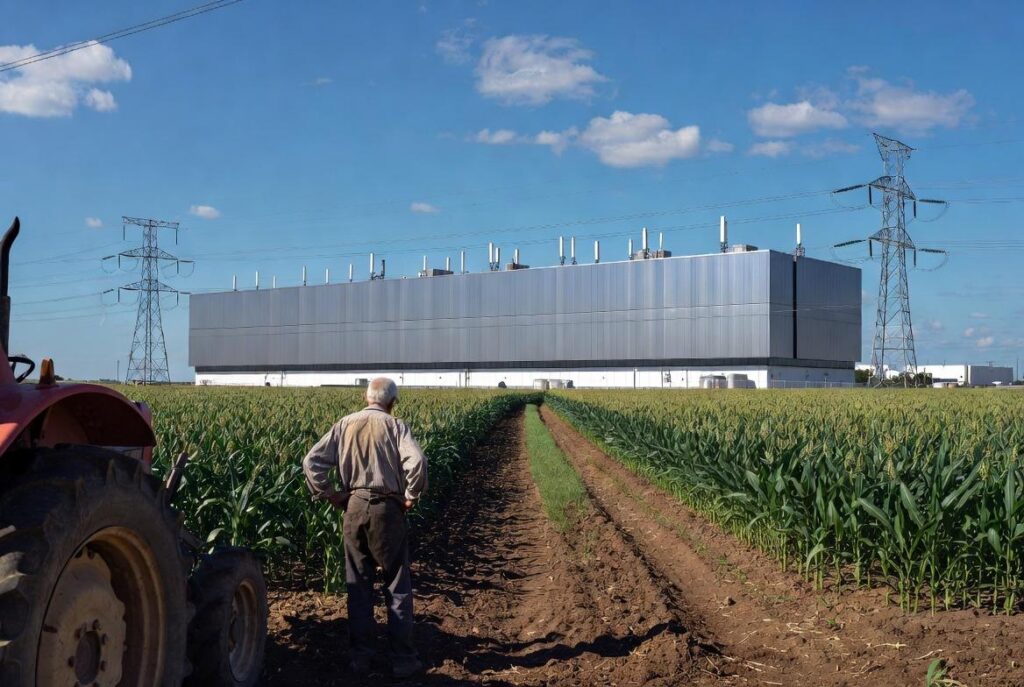
These two ladies are neither heroes nor villains. They are making choices rooted in their own values and circumstances. It is hard not to admire such moxie. This is about the enduring human desire to protect what is sacred, to define happiness on one’s own terms, and to remain true to oneself even when the world offers a fortune to change or conform to the culture.
In a world driven by data, algorithms, and corporate expansion, their refusal becomes a symbol of something rare: the courage to say no, the wisdom to know what matters, and the strength to hold on to it. It is the resolve to know what the price of enough really is.






Leave a Reply