

Ex-FBI Boss Hit With Second DOJ Case As Luthmann FOIA Fight Puts Old Bureau Secrets Back In Play
LUTHMANN NOTE: This is how unconcealment works. First comes the narrative. Then comes the crack. Then the documents start surfacing—and the story changes. Comey’s indictment is not the end of anything. It’s the beginning of a much deeper excavation. The real fight is not about a social media post. It’s about what federal power did in the shadows and whether that conduct can survive exposure. The FOIA case in Fort Myers is where that truth battle will play out. If the records match the rhetoric, Comey walks. If they don’t, this indictment is just the opening act. This piece is “Comey Indicted Again.”


By Dick LaFontaine with Richard Luthmann
(FORT MYERS, FLORIDA) – Former FBI Director James Comey has been indicted for a second time, according to multiple reports, throwing one of President Donald Trump’s most famous Deep State enemies back into the criminal spotlight. And these developments may have a huge impact on a pending federal case in Fort Myers federal court.
The Associated Press reported Tuesday that a North Carolina grand jury indicted Comey in a Justice Department probe tied to a social media photo showing seashells arranged to read “86 47,” a message Trump officials viewed as a threat against the 47th president.
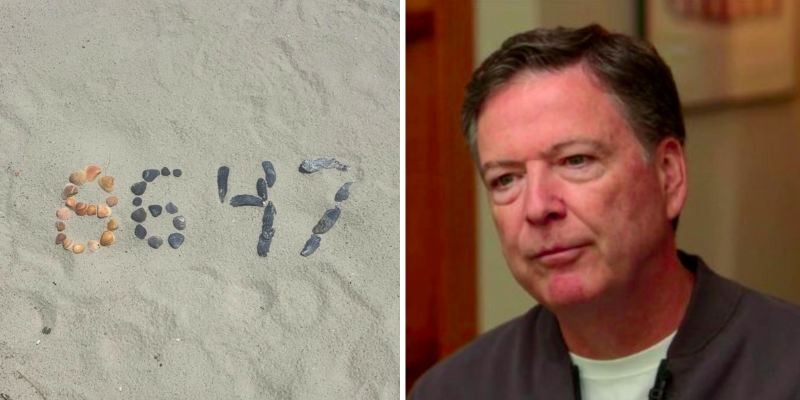
The specific charge or charges were not immediately known because the indictment remained under seal, according to the AP. Reuters also reported that the DOJ had brought a new criminal case against Comey, though the exact charges and venue were not immediately clear.
Comey deleted the post after the firestorm erupted and claimed he thought the shell message was political, not violent. “I oppose violence of any kind,” Comey said at the time, according to Reuters. The Secret Service interviewed him after Trump administration officials said the post could be read as advocating assassination.
Trump was not buying the innocent explanation. In a May Fox News interview quoted by AP, Trump said Comey knew “exactly what that meant.” Trump added: “A child knows what that meant.”
Comey Indicted Again: A Case With Political Dynamite
The new indictment lands only months after Comey’s prior federal case collapsed. Comey had been charged in September with making a false statement and obstructing Congress over 2020 testimony connected to whether he authorized information to be provided to a journalist. He denied wrongdoing. That case was later dismissed after a judge concluded that the prosecutor who brought it was unlawfully appointed.
But the political blast radius is bigger than one Instagram post.

For Richard Luthmann and Florida Gulf News, the Comey indictment comes as Luthmann’s separate FOIA fight is already targeting what he describes as the buried paper trail behind Comey-era federal conduct in the 1997 Richard Ortiz murder case in Yonkers, New York. FLGulfNews reported last month that Luthmann is suing the Department of Justice for records tied to the government’s handling of John “Johnny T” Tortora, a Yonkers figure later charged federally in the Ortiz killing.
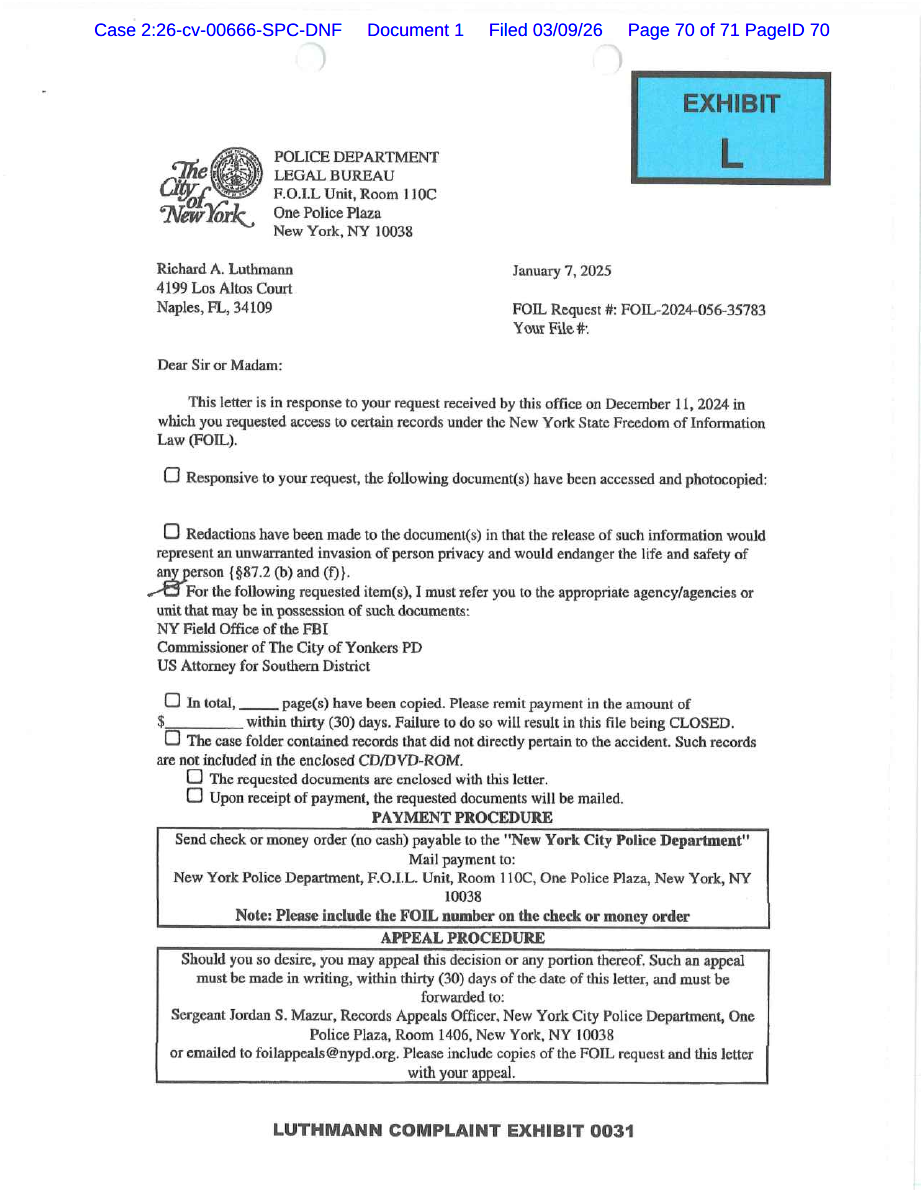
That case has its own long shadow. The Justice Department announced in August 2018 that Tortora had been charged with racketeering conspiracy, murder in aid of racketeering, and murder-for-hire in connection with Ortiz’s November 11, 1997, murder. The SDNY press release said FBI agents and Yonkers detectives arrested Tortora in Yonkers.
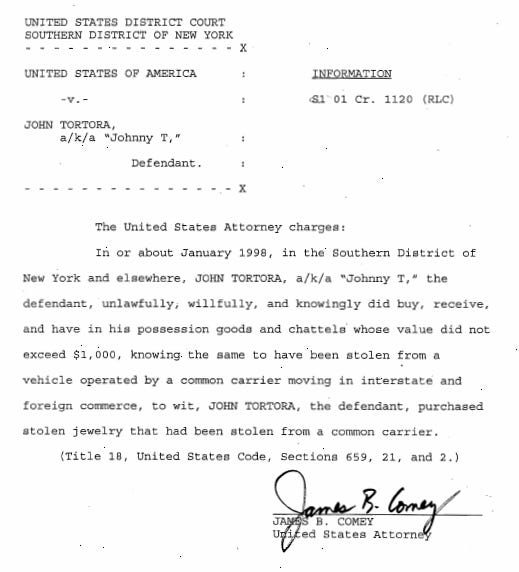
Luthmann’s FOIA reporting casts the Tortora matter as far more than an old mob case. It frames it as a potential federal “vendetta” prosecution—one built, according to the theory, not on a clean evidentiary trail, but on a narrative that changed only after years of silence, shifting informant claims, and institutional pressure.
The central question is brutal: if federal records from 1997 through 2015 did not clearly tie John “Johnny T” Tortora to the Richard Ortiz murder, why did the government later move against him decades after the fact?
FLGulfNews reported that Luthmann’s lawsuit seeks the DOJ’s hidden paper trail to test whether prosecutors and federal agents built the case around buried facts, unreliable witnesses, and a Comey-connected institutional push that may have transformed absence into accusation.
In that sense, the FOIA case is not just a records dispute. It is an X-ray of how federal power may have operated when the public could not see the machinery.
“Comey built a system where narratives mattered more than facts. Now he’s being forced to answer inside a system that demands proof,” Luthmann said. “If the government did everything by the book, they would release the records. If they don’t, you already have your answer.”
The Comey indictment now gives the FOIA battle new oxygen.
Comey Indicted Again: Lawfare Or Long-Overdue Accountability?
To Comey’s defenders, the new case will look like retaliation against a longtime Trump antagonist who led the FBI during the opening phase of the Russia investigation and was fired by Trump in May 2017. AP noted that the renewed prosecution will likely fuel defense claims that the DOJ is targeting Trump’s political enemies.
To Comey’s critics, however, the indictment marks a long-overdue reversal of fortune for a man they say helped build the modern federal lawfare machine and then acted shocked when that machinery turned back toward him.
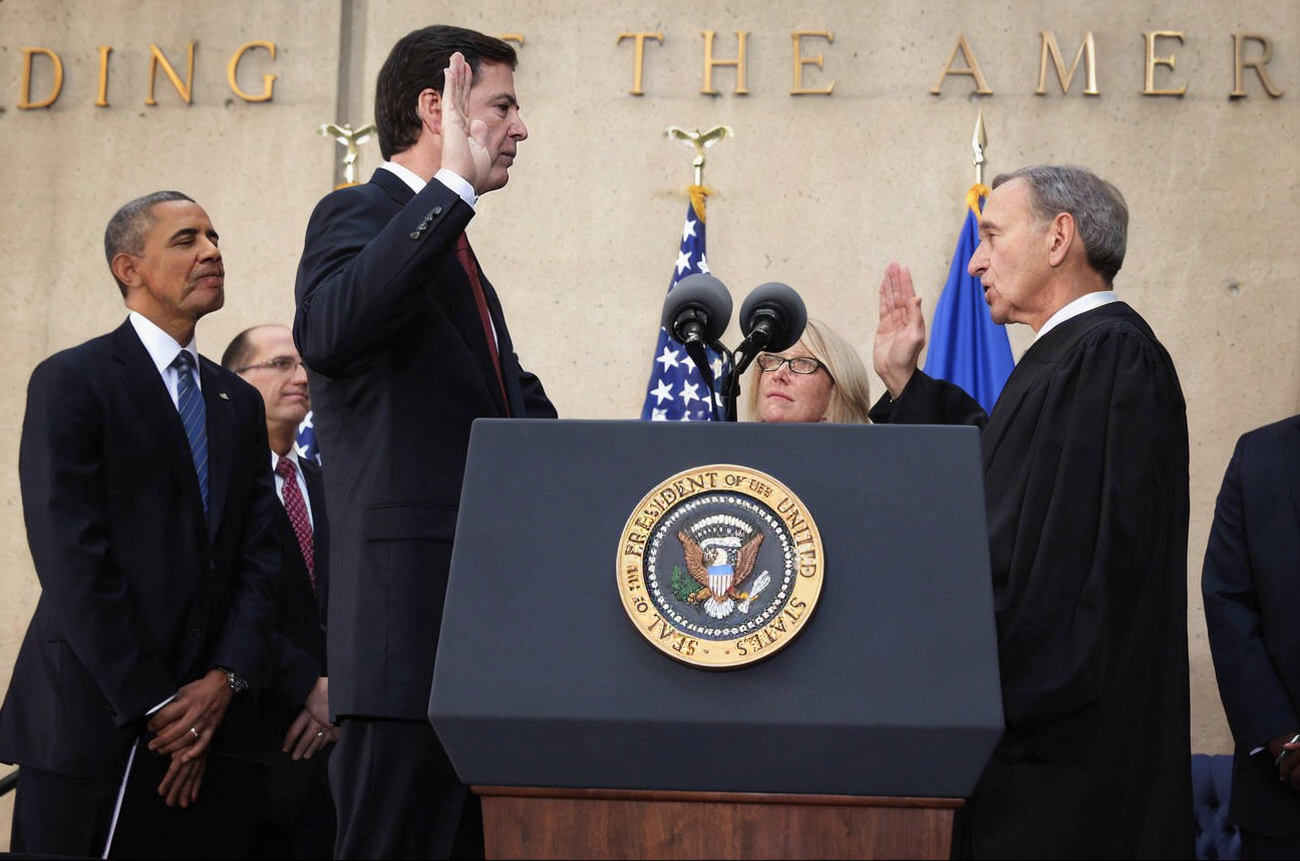
That is where Luthmann’s FOIA case becomes more than a sidebar. It is the document war behind the headline war.
The new indictment asks what Comey meant by “86 47.” Luthmann’s FOIA case asks what Comey’s DOJ and FBI did in older cases when the cameras were off, the files were sealed, and the Bureau’s preferred narrative needed paperwork to survive.
For now, Comey is presumed innocent. The indictment remains sealed. The charges remain unclear.
But the message from Washington is not unclear at all: James Comey is back in the dock, and the paper trail is now the battlefield.
Leave a Reply