
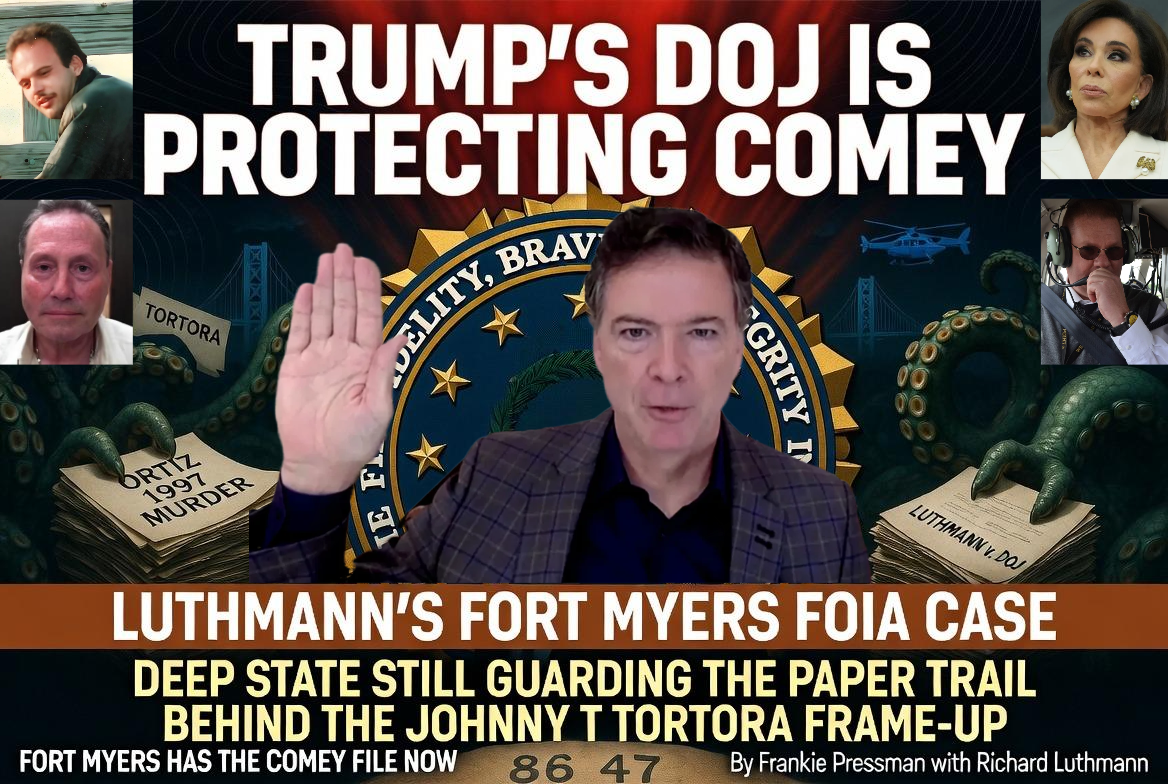
Luthmann’s Fort Myers FOIA case asks whether the Deep State is still guarding the paper trail behind the John “Johnny T” Tortora frame-up.
LUTHMANN NOTE: This is the test. Trump’s DOJ can talk all day about ending weaponized justice, but the question is whether it will open the files when the paper trail points back at James Comey. Comey is under indictment, yet DOJ is still protecting records that may show how he used federal power against Johnny T Tortora in an old Yonkers vendetta. The government will not even tell me how many pages it has. That tells me I am right over the target. If the files clear Comey, release them. If they bury him, America deserves to see them. This piece is “Trump’s DOJ is Protecting Comey.”


By Frankie Pressman with Richard Luthmann
Fort Myers Has The Comey File Now
(FORT MYERS, FLORIDA) — Richard Luthmann’s Freedom of Information Act lawsuit against the United States Department of Justice is not a paperwork dispute. It is a knife fight over the buried federal records behind the 1997 murder of Richard Ortiz in Yonkers, New York, and the two-decade law-enforcement campaign that followed against John “Johnny T” Tortora.
To Luthmann, this is the paper trail behind a prosecution and persecution that ran through Westchester County, the Southern District of New York, the FBI’s New York Field Office, and the old Yonkers power structure.
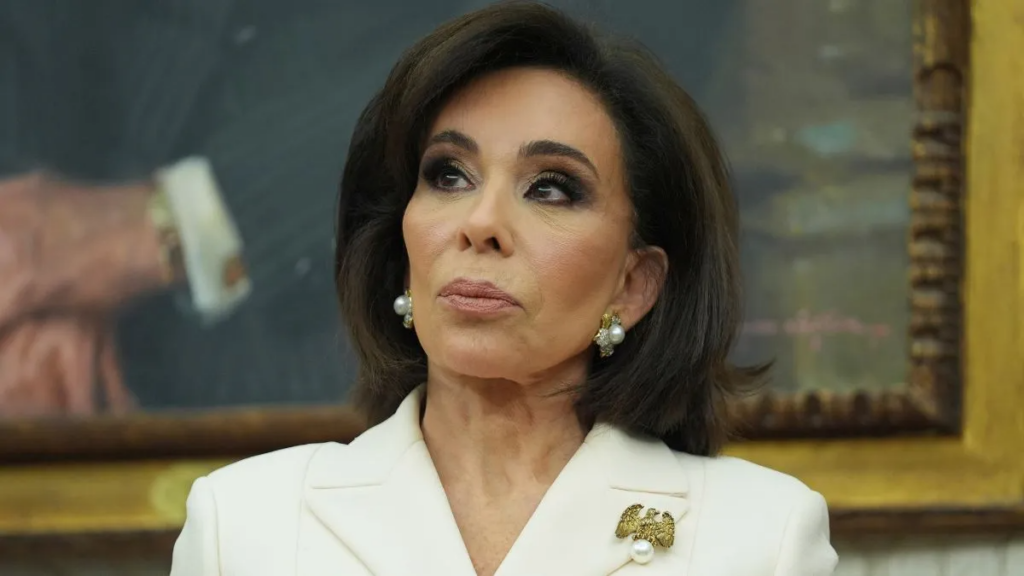
The names matter. Judge Jeanine Pirro, now U.S. Attorney for the District of Columbia, was Westchester District Attorney when the Ortiz murder case first came through local law enforcement. James Comey later sat in two federal seats that matter: U.S. Attorney for the Southern District of New York and later Director of the FBI.
Luthmann’s theory, built from interviews, court records, FOIA responses, and statements from Tortora, is blunt: Comey pursued Tortora for years because of perceived Yonkers beefs, old grudges, and a personal law-enforcement mythology that turned Johnny T into a target before there was viable evidence.
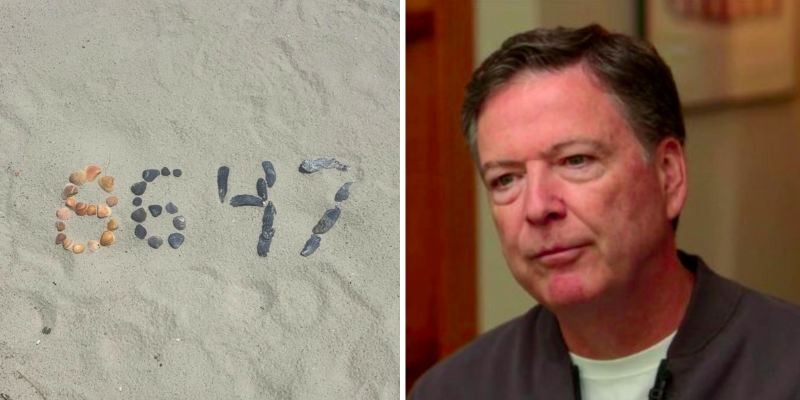
Now, in light of Comey’s prosecution in the Eastern District of North Carolina, these records have gained new relevance. Is James Comey a “crooked cop” as President Trump has stated? Did Comey knowingly frame Johnny T in the Richard Ortiz murder to settle old scores? Or is there another explanation that lines up with the facts and can be supported by the records?
Trump’s DOJ is Protecting Comey: The Backstory
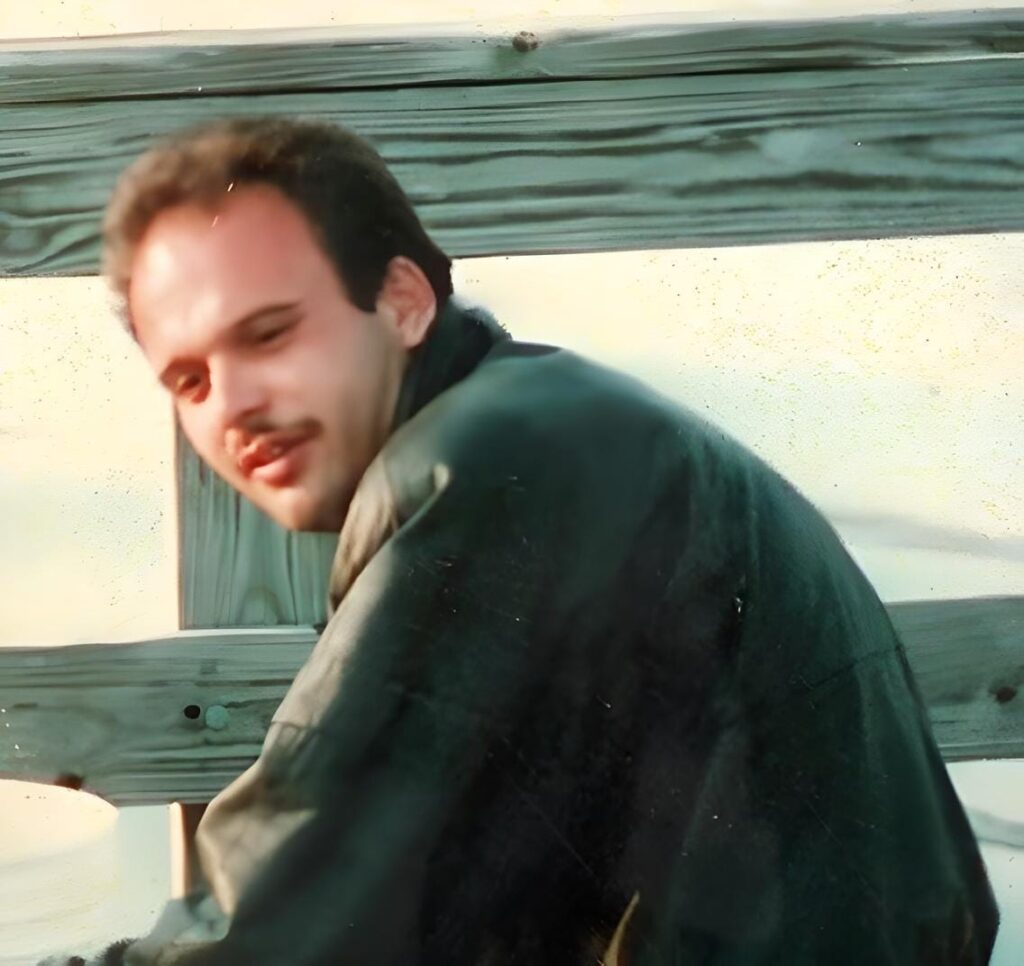
On Nov. 11, 1997, Richard Ortiz, a 29-year-old Yonkers petty criminal and known police informant with a RAP sheet a mile long, was found fatally stabbed under a bridge near The Mill Tavern on Lockwood Avenue. The murder should have been a local homicide investigation; instead, it became the buried fuse for a decades-long federal vendetta against Johnny T Tortora.
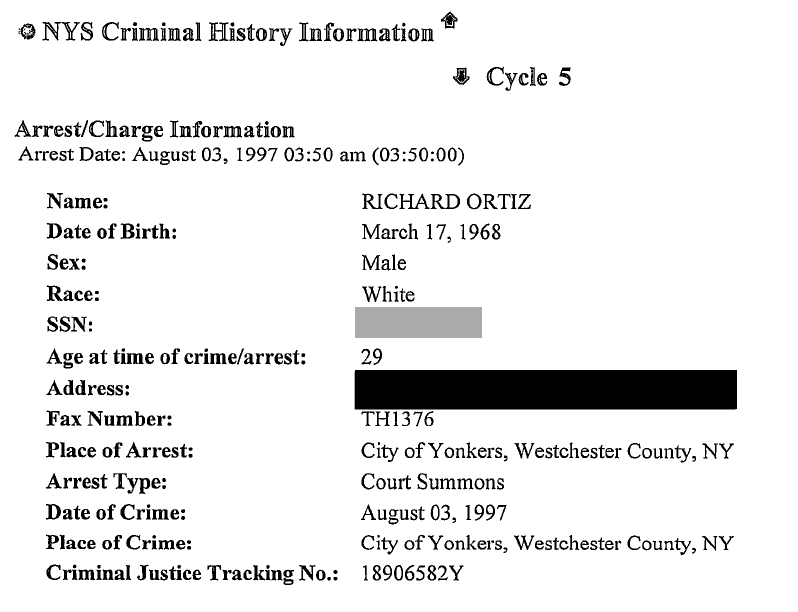
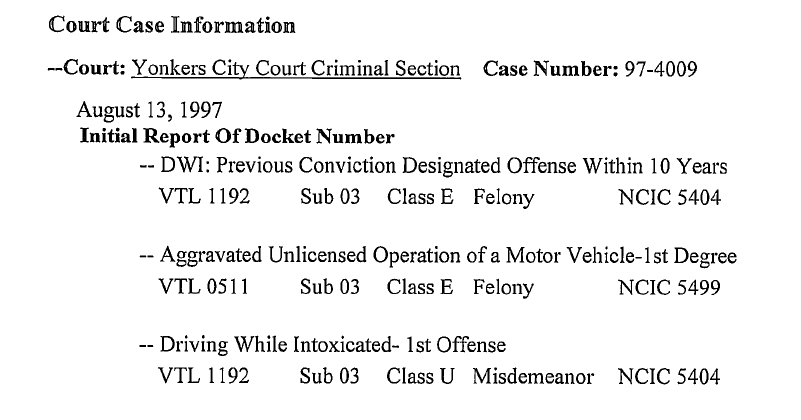
Judge Pirro had the first crack at Johnny T and passed. That matters. Back in 1998, when the Ortiz murder was still fresh, and the case should have been strongest, Westchester prosecutors did not move on John “Johnny T” Tortora. Judge Pirro saw the case was built on sand, and the word of Carmine Francomano was not enough to sell a used car, let alone carry a murder prosecution.
But when James Comey became U.S. Attorney for the Southern District of New York in 2001, Johnny T suddenly found himself picked up on roughly $1,000 worth of alleged “stolen goods in interstate commerce” and held in federal lockup while the government tried to reverse-engineer the Ortiz murder case around him.
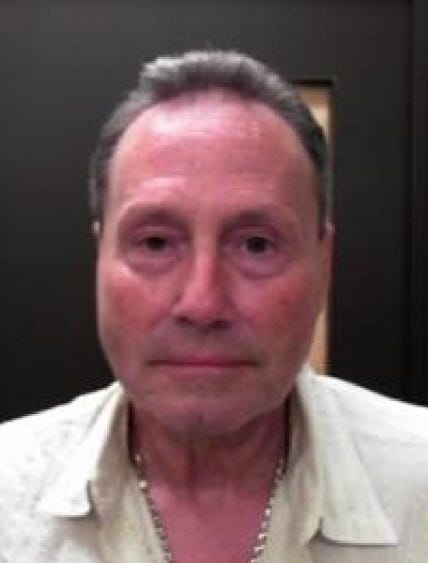
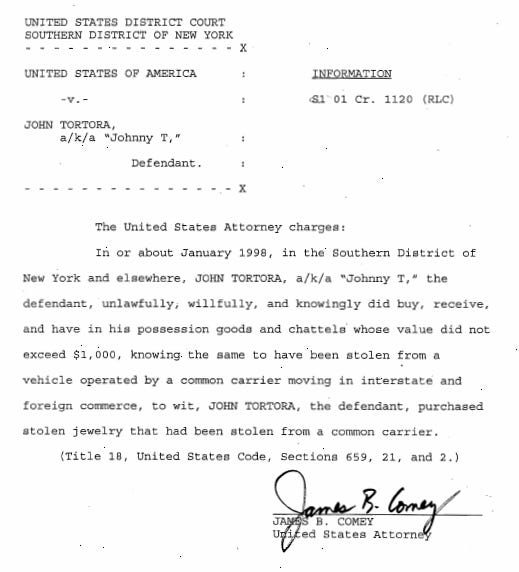
Then came 9/11. The federal government had bigger fish to fry than old Yonkers grudges, and Johnny T was cut loose. But Comey’s obsession did not die; it waited.
More than a decade later, Comey became FBI Director in 2013, and the old machinery came back to life. Luthmann’s theory is that Comey’s FBI coordinated with local Yonkers law enforcement, including Detective John T. Geiss, to reopen the cold Ortiz murder file and pin it on Tortora.


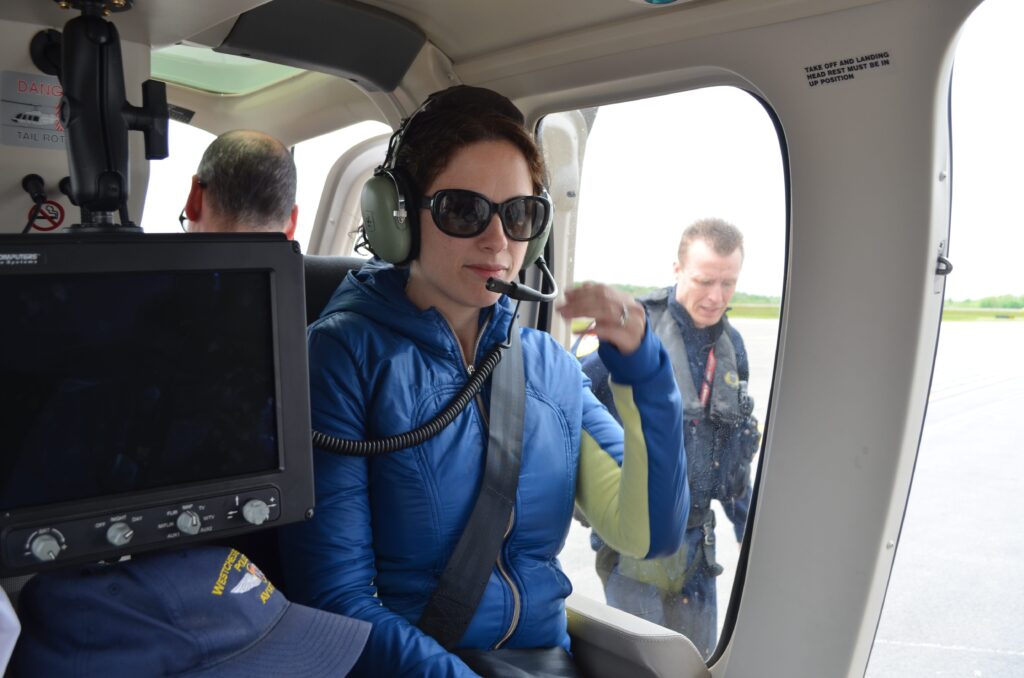
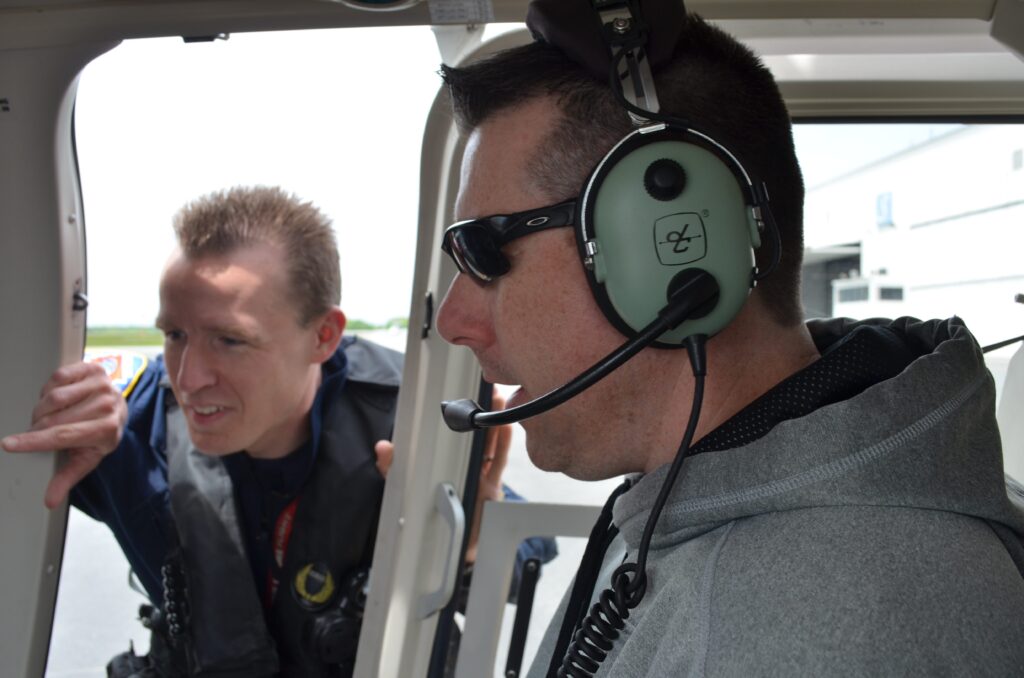

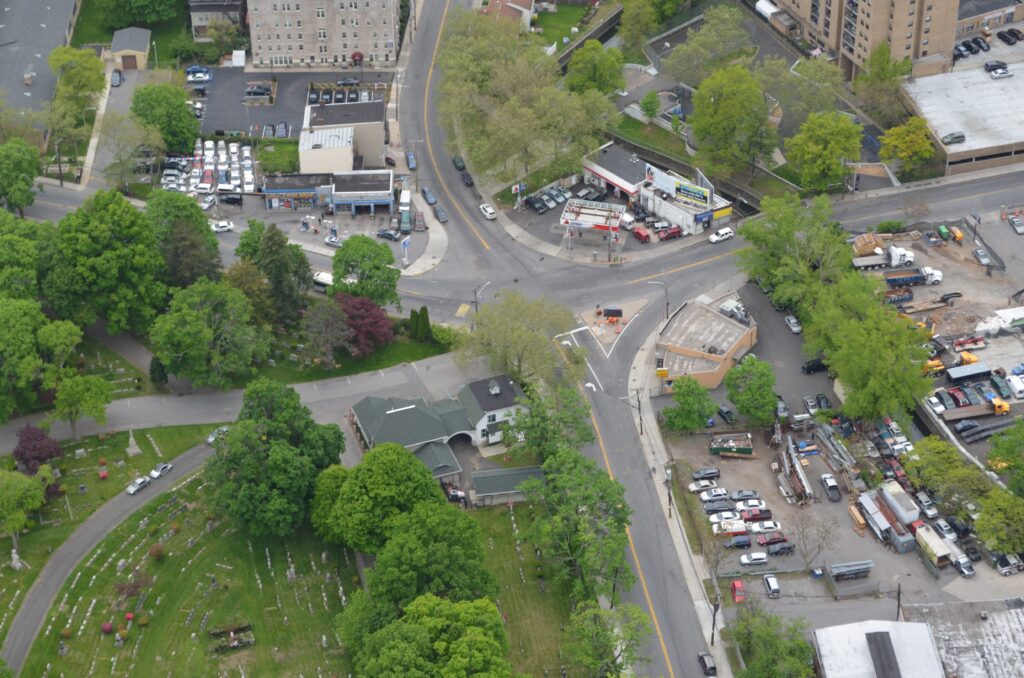
The Bureau then spent untold taxpayer money dressing up a rotten case with raids, agents, theater, and mob-case window dressing, but when the smoke cleared, there was no “there” there.

To Luthmann, this was not justice. It was a Comey vanity project, a federal vendetta dressed up as law enforcement, and the public has every right to know how Comey operated, who helped him, who protected him, and whether the former FBI Director was acting like a crooked cop with a federal badge.
The FOIA case seeks records on Tortora, Geiss, Francomano, Saez, Ortiz, and the investigation and prosecution arising from the 1997 Ortiz murder; the amended complaint alleges DOJ failed to conduct an adequate search, failed to route the request properly, invoked privacy-based non-disclosure despite Tortora’s authorization, and failed to release segregable non-exempt material.
The murder charges eventually fell apart when push came to shove. What remained was obstruction, innuendo, and a federal machine that had already spent too much money and institutional credibility to admit the central accusation was rotten.
Now the Trump DOJ is in Fort Myers, being directed from the Beltway to defend the secrecy wall around the very documents that could expose Comey’s black hand in the caper.
Trump’s DOJ is Protecting Comey: The Yonkers Beef Theory
The Ortiz murder was a local homicide before it became a federal theater production. According to Luthmann’s reporting and Tortora’s account, Jeanine Pirro’s office passed on charging Tortora back in the late 1990s because the case was too weak and the key storyteller, Carmine Francomano, was a known cooperating criminal with every reason to shift blame and save himself.

That point is central. If the local district attorney looked at the case near the time of the murder and did not trust Francomano enough to move on Tortora, what changed years later? Luthmann’s answer is that evidence did not change. Power did.
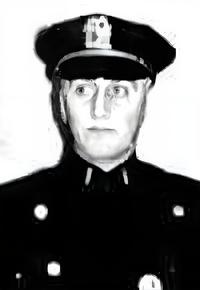
Comey’s connection to Yonkers is not some incidental footnote. He came out of that world. Yonkers history also places the Comey family name deep inside the city’s police command structure through his grandfather, William J. Comey, listed by Yonkers as a police leader whose career rose to the department’s top ranks. That does not prove misconduct. It proves why the file matters.
Luthmann’s theory is that Comey carried old institutional loyalties, cultural resentments, and law-enforcement grudges into the federal system, where he had the power to turn an old local beef into a federal prosecution. Tortora was exactly the kind of Italian-American street figure Comey and his crowd loved to hate: known, liked, connected, and not easily cowed.
That is why the documents matter. Luthmann is not merely looking for a file. He is looking for the decision tree. Who revived the Ortiz murder theory? Who vouched for Francomano? Who pushed the FBI? Who approved the search strategy? Who tolerated the lack of corroboration? Who decided that a dead cold case could be repackaged into a federal mob drama?
Trump’s DOJ is Protecting Comey: When The Murder Case Collapsed
The federal government’s story was supposed to be simple: Johnny T Tortora was the mastermind behind the Ortiz murder, and the FBI had finally cracked a cold case. But Luthmann’s theory is that the whole thing was a Comey-era frame-job from jump, built around weak witnesses, cooperating criminals, and a narrative that could not survive real pressure.
When it came time to prove the murder case, the government did not deliver the cinematic conviction it had sold to the public. The murder charges did not hold. The feds pivoted to obstruction and sentencing smoke, using the shadow of the Ortiz murder to poison the atmosphere around Tortora without proving the central accusation.
That is the old federal trick. If they cannot convict you of the monster story, they still use the monster story to define you. If they cannot prove the murder, they imply it. If the RAT testimony buckles, they call it relevant background. If the target survives the main charge, they drag him through pretrial detention, raids, financial ruin, and public disgrace until the process itself becomes the punishment.
Luthmann says that is precisely what happened to Tortora.
This is why the Trump DOJ’s conduct now looks so ugly. The case is no longer about whether the old prosecution can be saved. It is about whether the public can see how it was built.
If the documents show clean work, release them. If the documents show a lawful investigation, produce the Vaughn index and defend the exemptions.
But refusing even to give a meaningful accounting screams institutional panic and the Deep State’s black hand.
Trump’s DOJ is Protecting Comey: Protection Others Never Get
The central question is savage and simple: why is the Trump Department of Justice protecting James Comey while Comey is under federal indictment? Any ordinary defendant under the federal hammer would get no such cushion. The government would not hide helpful records in another case. It would not politely shield potentially damaging institutional history. It would not build procedural walls around documents that might show bias, vendetta, or abuse of office. It would squeeze, search, leak, posture, indict, and then tell the judge the defendant had no right to complain because federal prosecutors act in good faith.
Comey is different. The same Justice Department that has put him in the dock in North Carolina is, in Fort Myers, defending the bureaucratic machinery that keeps the Ortiz/Tortora records out of public view.
Luthmann’s conclusion is that this is not a contradiction. It is exposure. The Trump DOJ may have changed the sign on the door, but the permanent bureaucracy still knows how to protect one of its own. The Deep State does not need to win every public fight. It only needs to control the files, slow the search, narrow the request, invoke privacy, and make the truth expensive enough that most people quit.
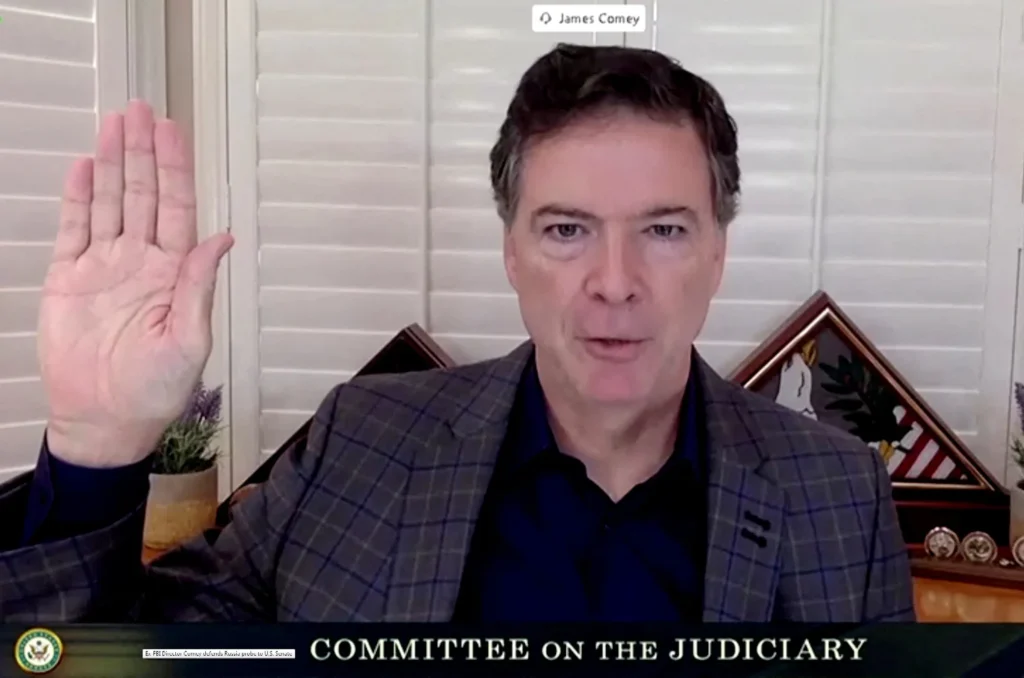
Luthmann is not quitting. His view is that the Comey indictment makes the FOIA fight more urgent, not less.
If Comey is now a federal criminal defendant, the public interest in his prior exercises of federal power skyrockets. The Ortiz file may show whether Comey’s conduct in federal office was public service or personal vendetta wearing a badge.
Trump’s DOJ is Protecting Comey: The Case Management Report Shows The Wall
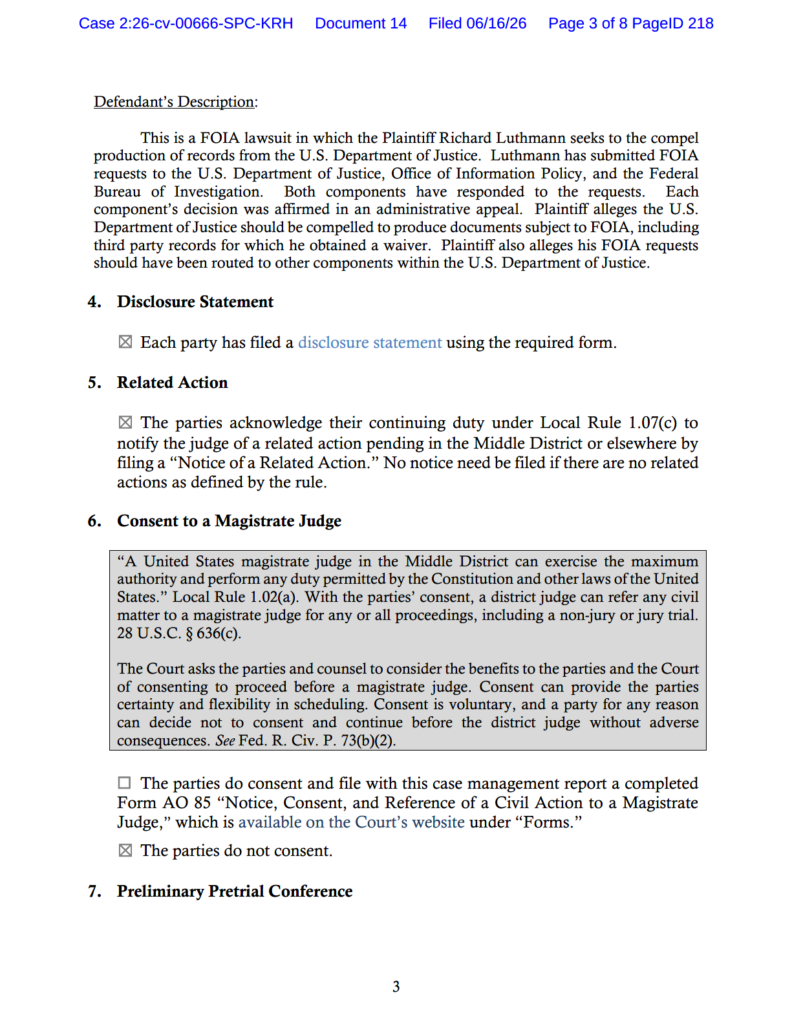
The newly filed Case Management Report in Luthmann v. United States Department of Justice lays out the battlefield. Luthmann seeks records concerning Tortora, Detective John T. Geiss, Carmine Francomano, Abdill Saez, Richard Ortiz, and the investigation and prosecution arising from Ortiz’s 1997 murder in Yonkers.
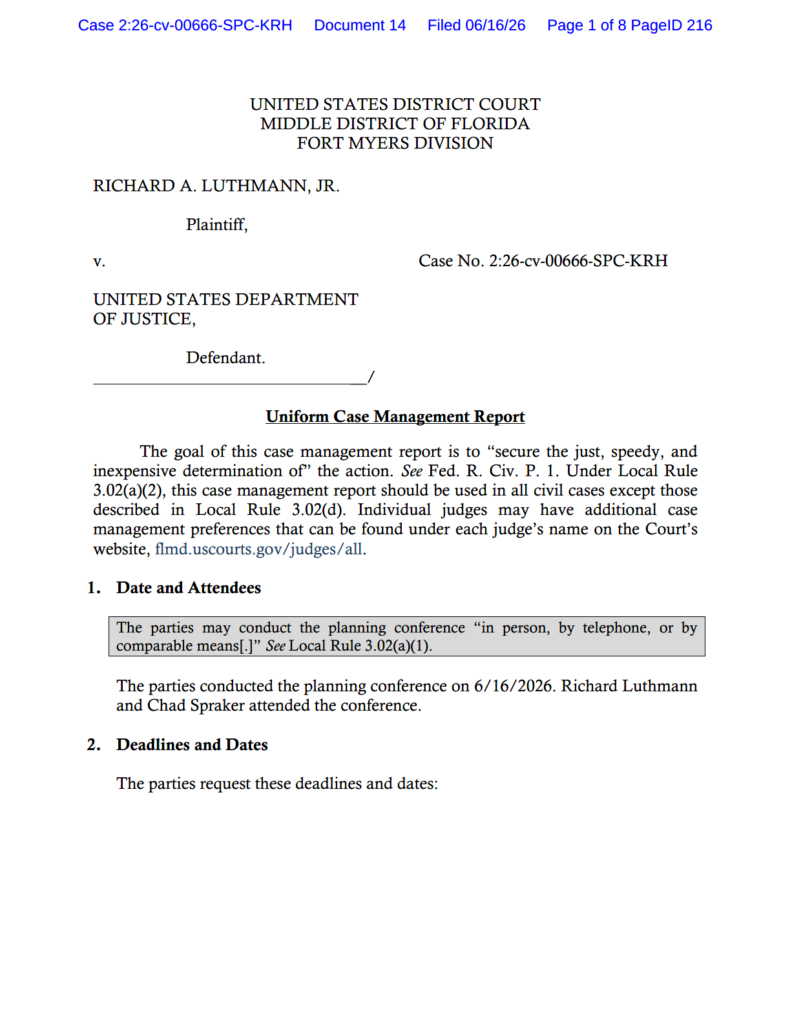
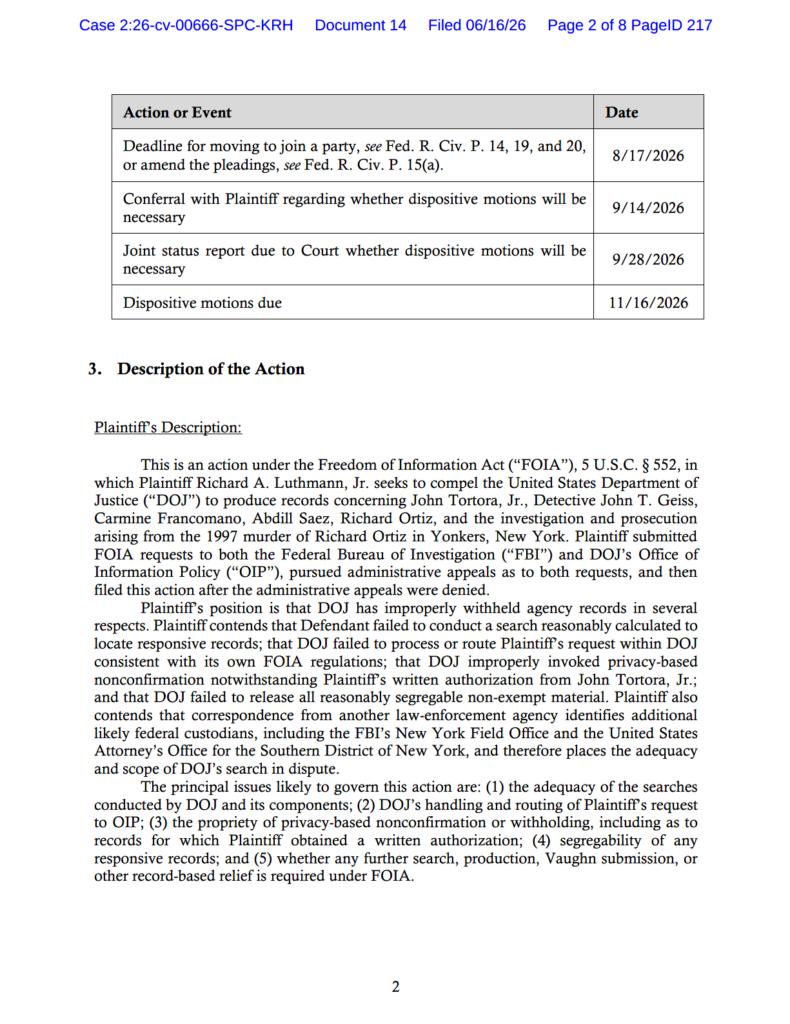
Luthmann says DOJ failed to conduct a search reasonably calculated to locate responsive records, failed to process or route the request properly inside the Department, improperly invoked privacy-based nonconfirmation despite Tortora’s written authorization, and failed to release reasonably segregable non-exempt material.
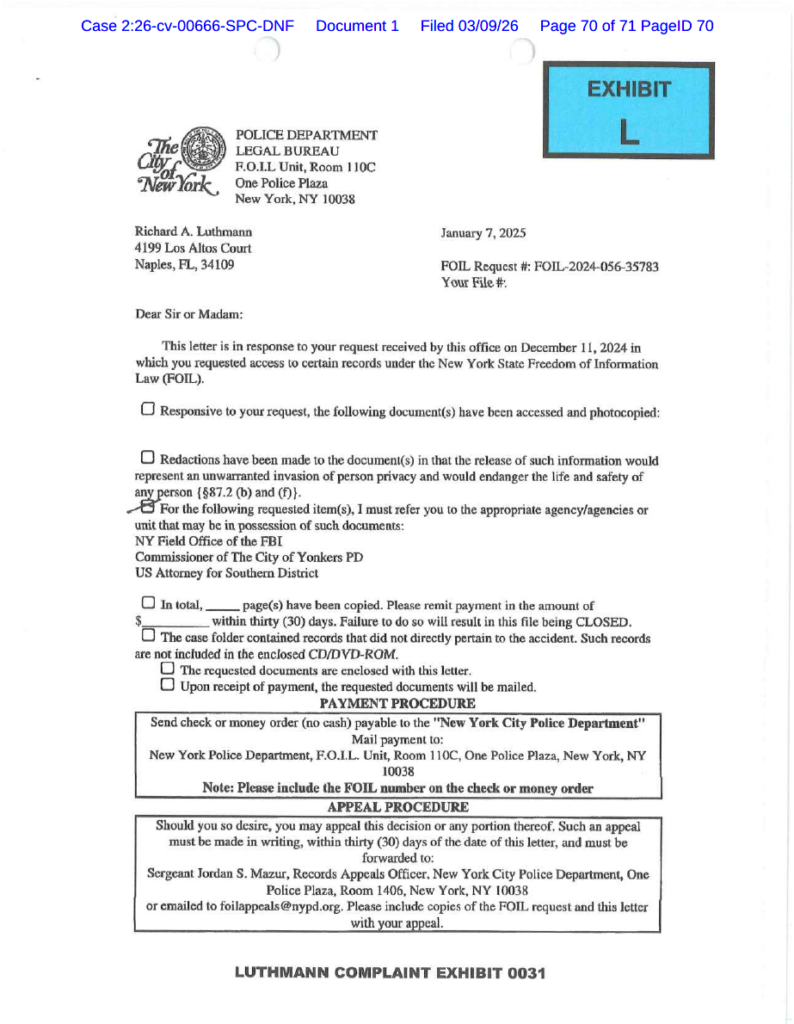
Luthmann also points to outside law-enforcement correspondence from the NYPD identifying likely federal custodians, including the FBI’s New York Field Office and the United States Attorney’s Office for the Southern District of New York.
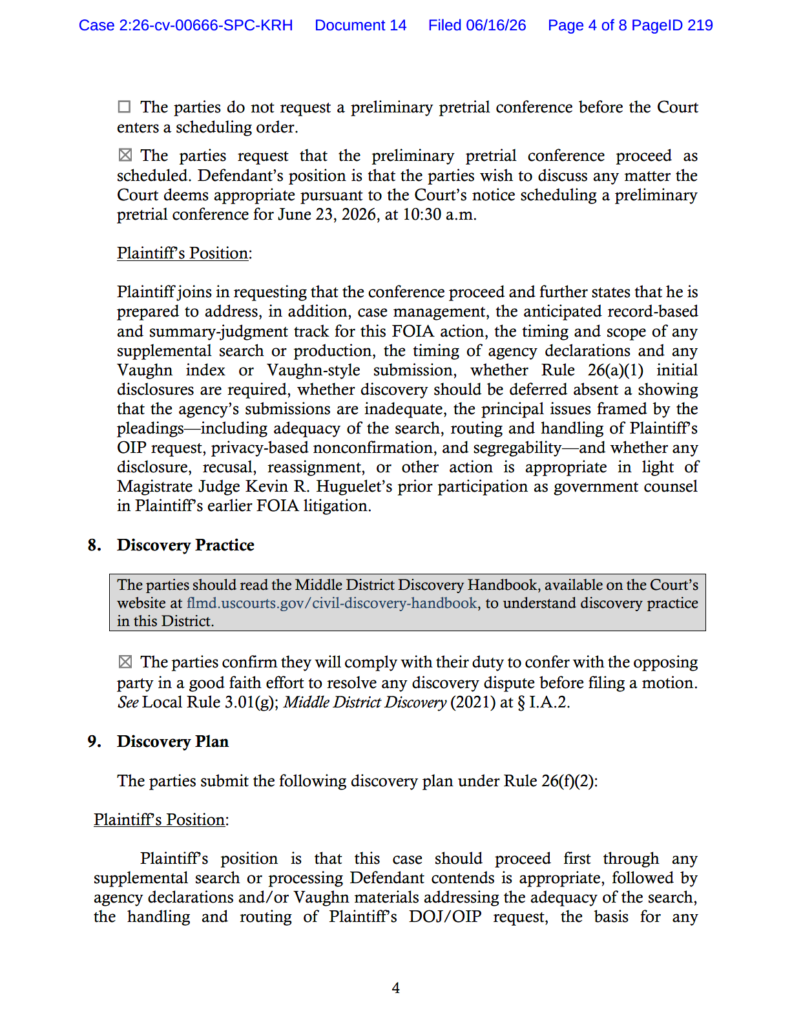
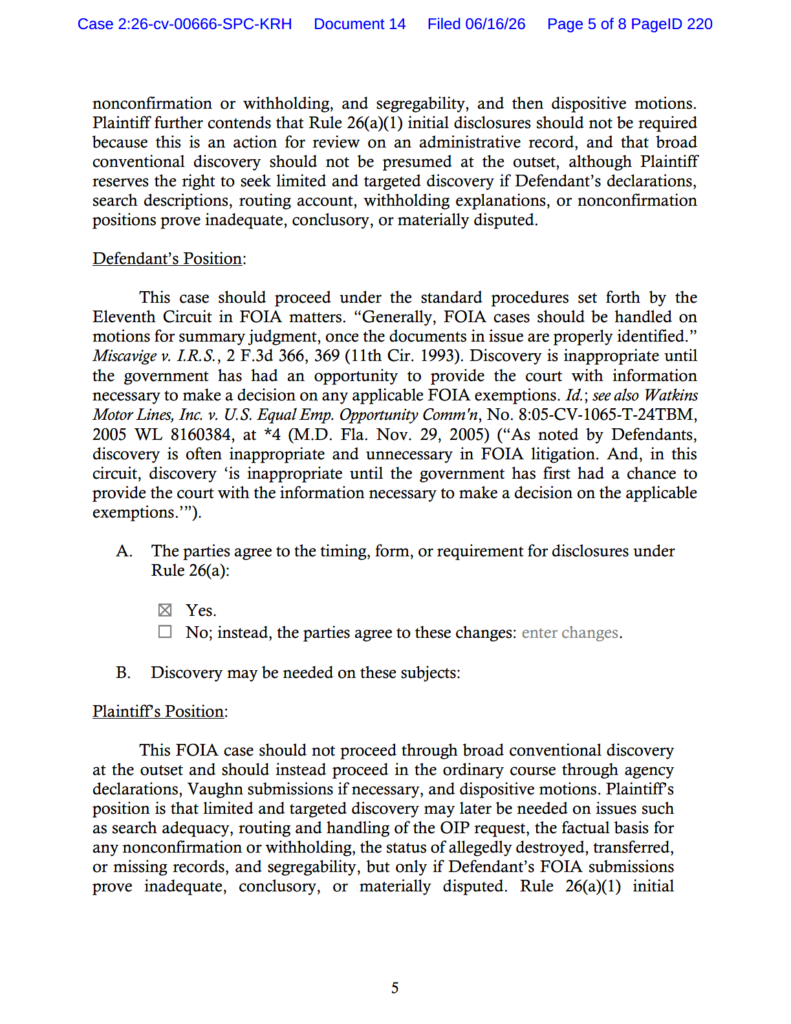
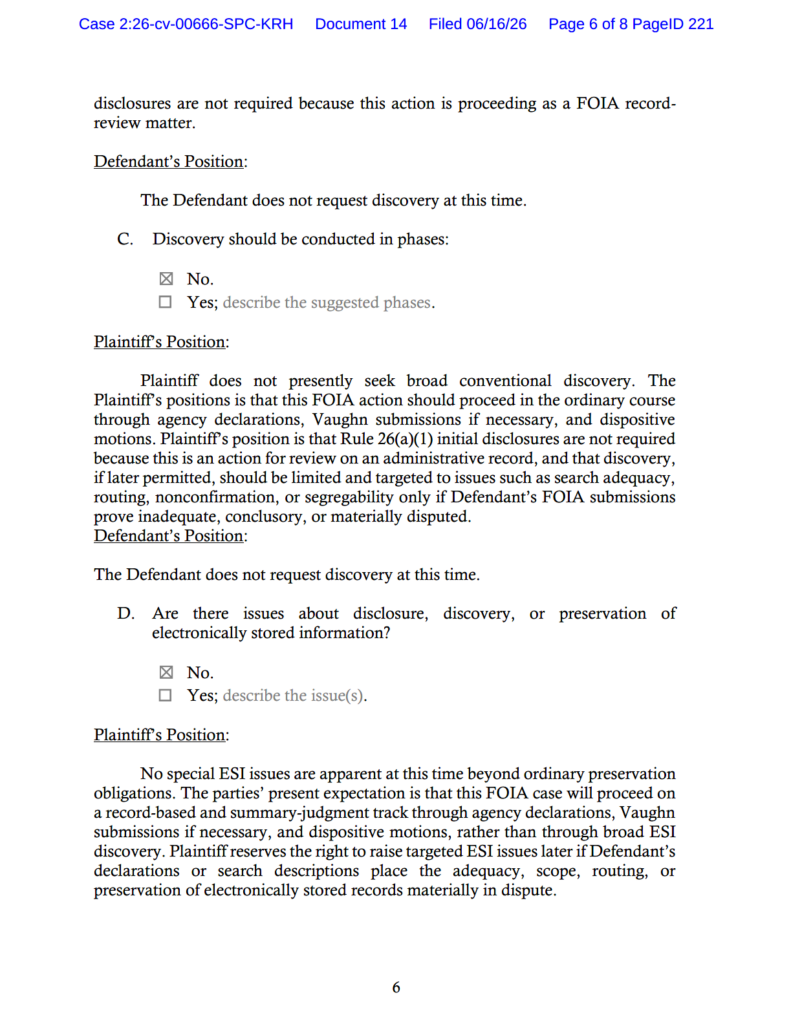
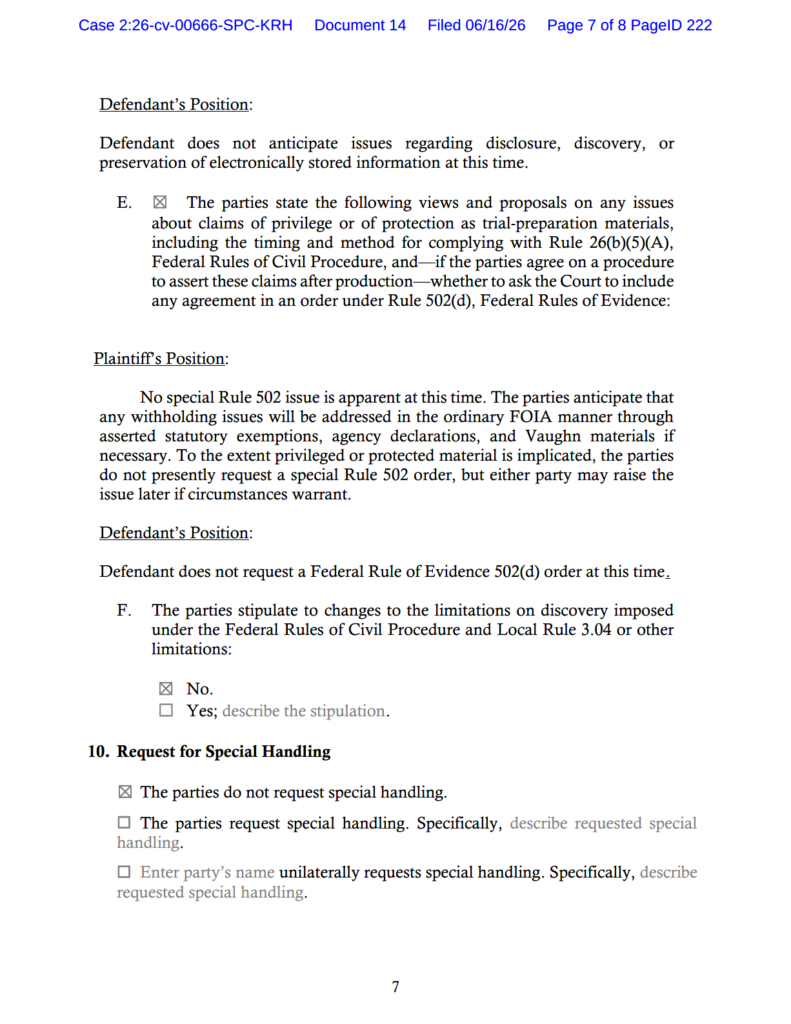
The government’s answer is classic institutional defense. DOJ says both components responded, both administrative decisions were affirmed, and the case should move under the standard FOIA summary-judgment track after the government provides declarations.
In plain English, the government wants the court to trust the agency first and let the same institution accused of hiding the ball explain where the ball is.
Luthmann sees it differently.
“The Government won’t even tell me how many pages of documents they have,” he says. “That’s how you know I’m right over the target, and they are circling the wagons. The decisions are coming directly from Deep State operators in Washington DC.”
That is the whole story in one sentence. The fight is not merely over production. It is over whether the bureaucracy gets to decide what the public is allowed to know about its own corruption.
The Litmus Test For Trump’s DOJ
This case is now a litmus test for the Trump administration. It is easy to campaign against weaponized justice. It is easy to denounce lawfare from a podium. It is easy to say the Deep State must be dismantled. The hard part comes when the government’s own lawyers walk into federal court and defend the same secrecy practices that protected the old machine.
That is what is happening in Fort Myers. Luthmann is asking for the documents. The DOJ is defending the maze. The case is before U.S. District Court Judge Sheri Polster Chappell and U.S. Magistrate Judge Kevin Huguelet.


“The absurdity of the case is that the DOJ’s Office of Information Policy is telling me that they have no information,” said Luthmann. “If that’s not Deep State bullshit, I don’t know what is. Like many Americans, I’m waiting for the day when the President takes control of all of this, cleans house, and gives the people back the government we deserve.”
If the Trump DOJ is serious, it should not be protecting Comey’s paper trail. It should be dragging the Ortiz/Tortora file into sunlight, forcing every component to search, requiring every office to account for what it has, and demanding real explanations for every withholding.
The FBI New York Field Office, SDNY, OIP, EOUSA, and Main Justice should not be allowed to play bureaucratic three-card monte with records that may expose a federal vendetta.
To Luthmann, the issue is not whether Comey is convicted in North Carolina. Comey is presumed innocent in that case unless proven guilty. The issue is whether federal power protected him for years while he allegedly used government office to settle old Yonkers scores.
The Ortiz records could be devastating because they may show the difference between justice and score-settling.
If those documents prove Luthmann wrong, release them. If they prove him right, then Fort Myers may become the place where Comey’s halo finally cracks, and the Deep State’s fingerprints show through the glass.
Leave a Reply